THE POWER TO TRANSFORM
A meditation by Jonah
When has there ever been such a powerful change in so many people?
One man. Five Hebrew words. An entire great city humbled before God.
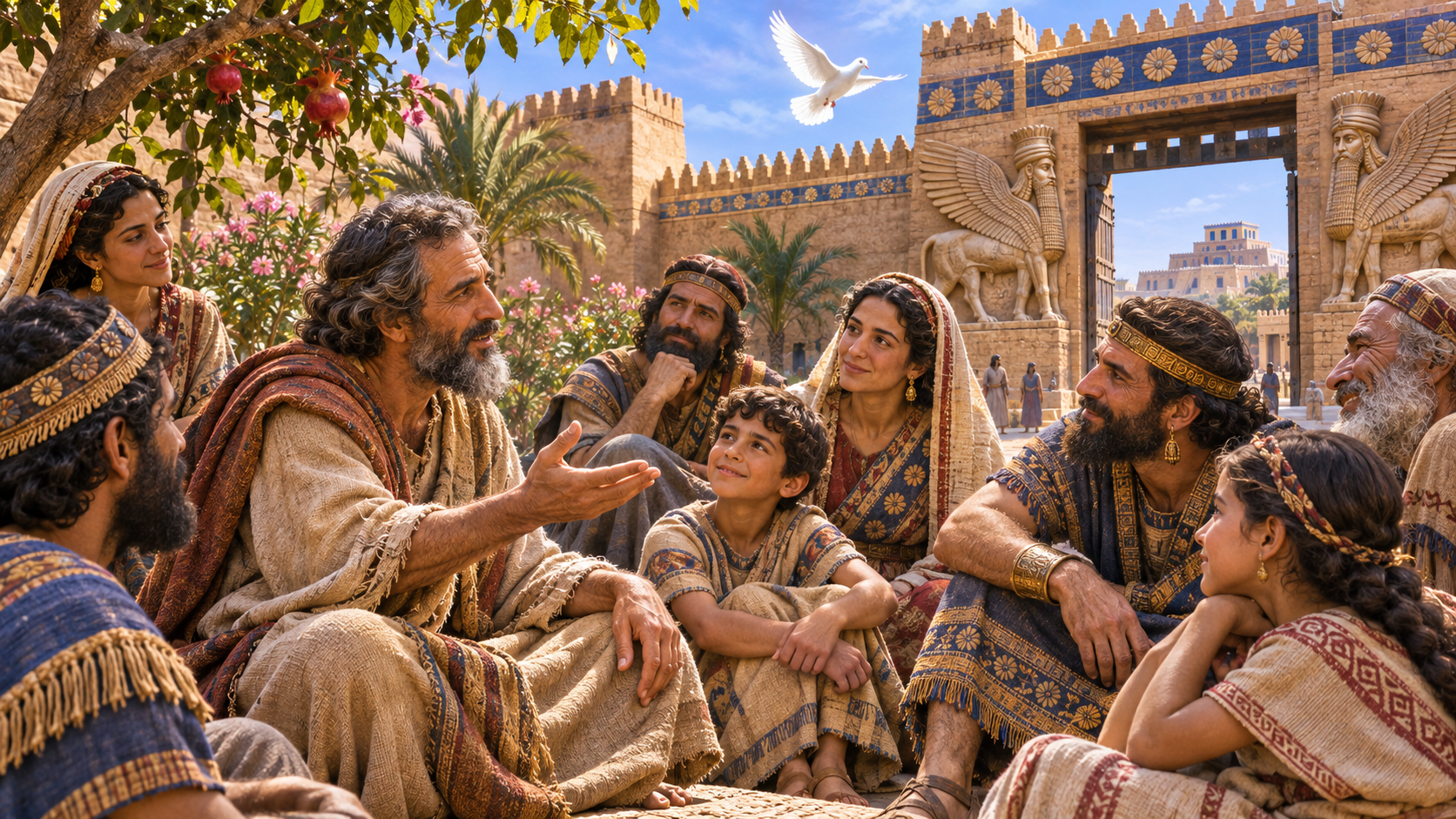
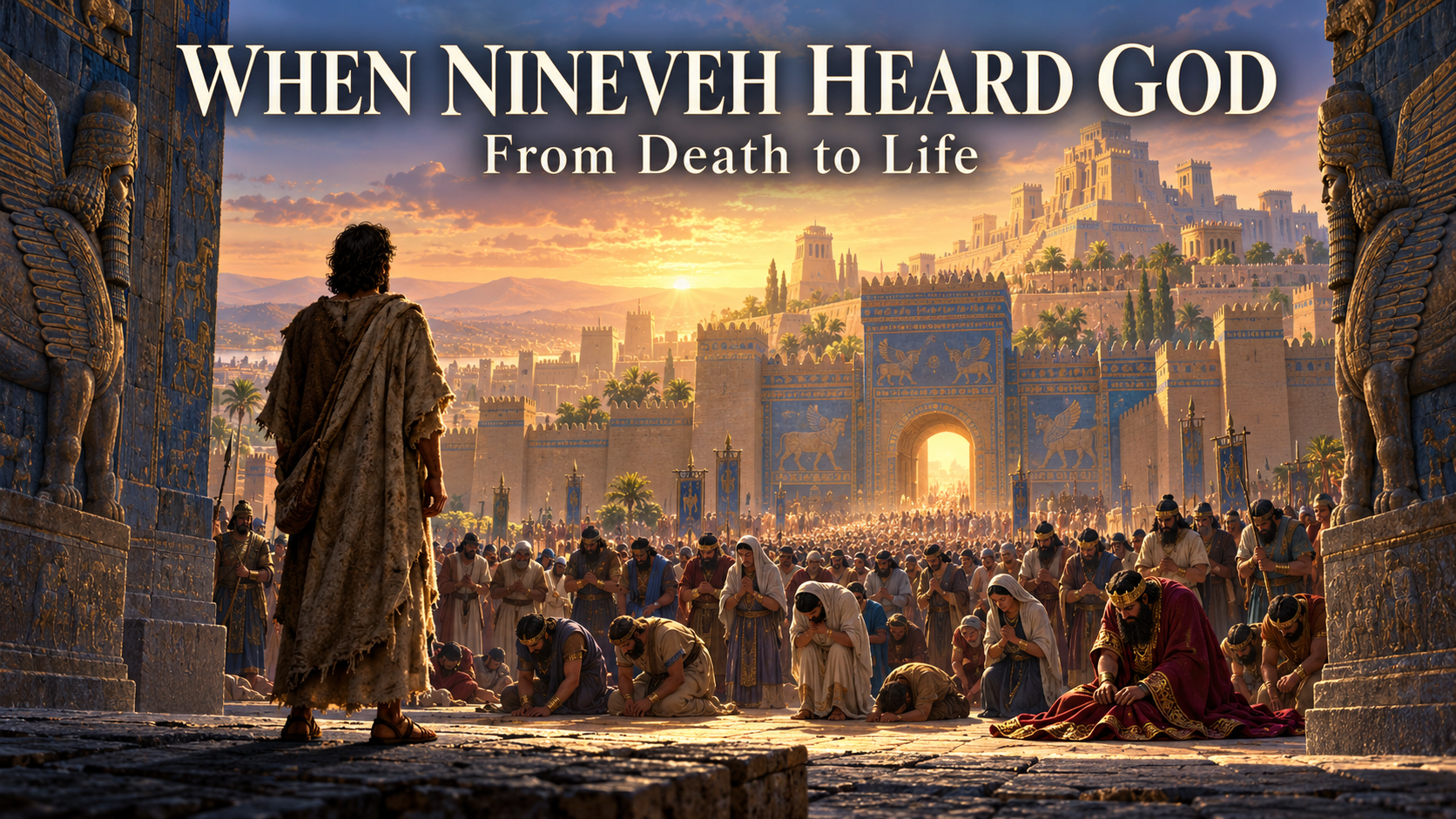
It is hard to wrap my mind around what happened when Jonah arrived at Nineveh. These were Assyrians, enemies of Israel. Yet the people believed God, proclaimed a fast, and put on sackcloth, from the greatest to the least. When the warning reached the king, he rose from his throne, removed his robe, covered himself with sackcloth, and sat in ashes (Jonah 3:5–6).
Jonah’s recorded warning was brief:
עוֹד אַרְבָּעִים יוֹם וְנִינְוֵה נֶהְפָּכֶת
Od arba’im yom, v’Nineveh nehpachet.
“Yet forty days, and Nineveh shall be overthrown!” (Jonah 3:4).
Five words in Hebrew. Consider the response.
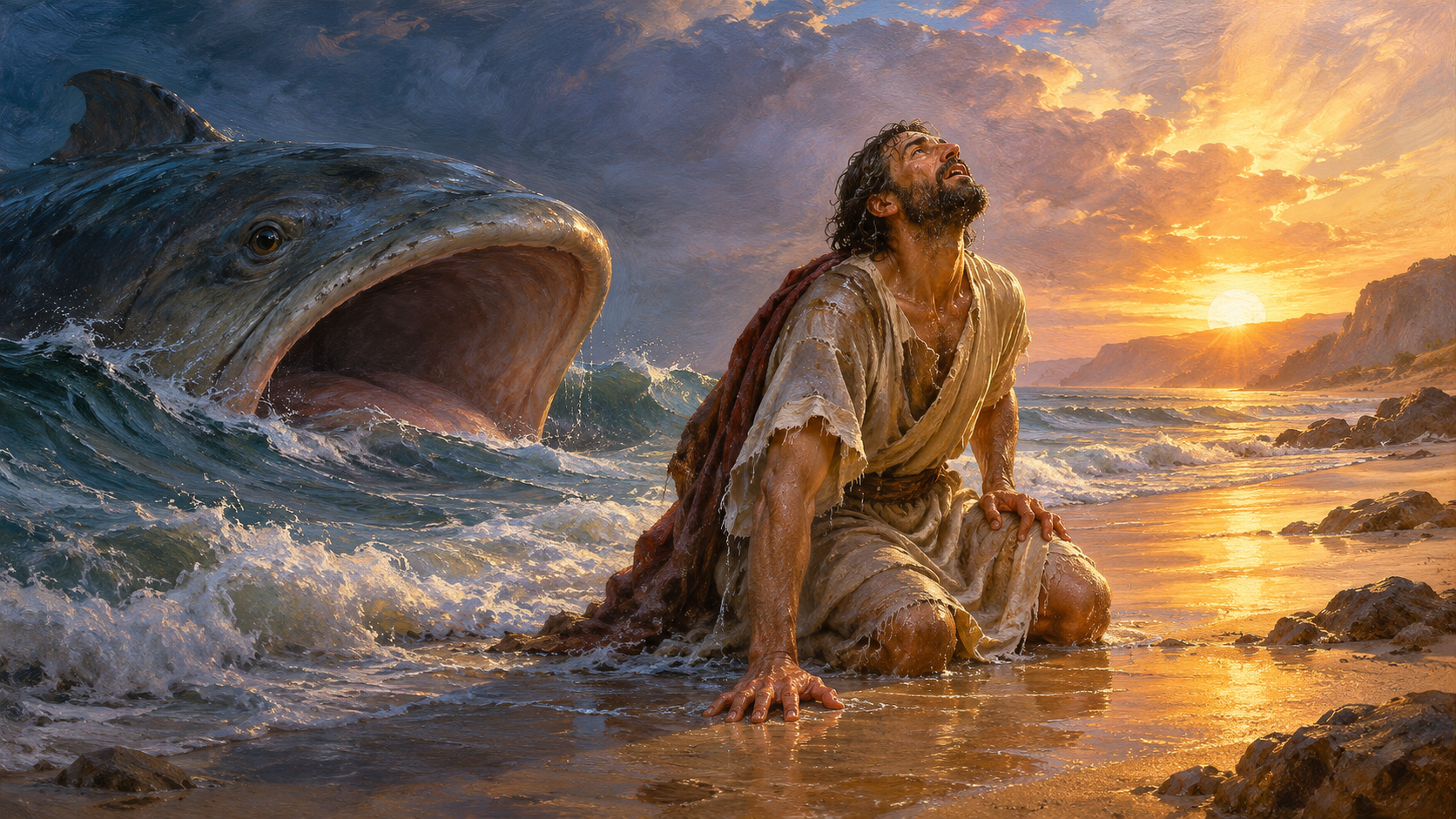
A friend and I have been speaking about the book of Jonah. He grew up as an Orthodox Jew, came to believe that Yeshua is the Messiah, and is now a pastor. I shared with him my belief that God’s presence was with Jonah from the beginning to the end of the story. Jonah went to Nineveh with God’s power working through him to transform the city—the power to defeat death. God had brought him up from the depths. The Ninevites did not have to understand Jonah’s experience in the sea for God to work through him.
Yeshua connects Jonah’s three days in the fish with His own death and resurrection (Matthew 12:40). Luke records Him saying that Jonah became a sign to the Ninevites (Luke 11:30). Jonah’s prayer had described his descent in the language of death: the belly of Sheol, the bars of the earth, and God bringing his life up from the pit (Jonah 2:2–6).
When I speak of resurrection power, I mean God’s power to defeat death. That hope is deeply rooted in Judaism as well as Christianity. Isaiah declares that God “will swallow up death forever” (Isaiah 25:8). The resurrection of the dead is part of the Jewish hope for redemption. That is the power I see working through Jonah: the God who brought him up from the depths then used him to turn a city facing death toward life. I explored that deliverance in Prayers that Deliver.
Days later, at four in the morning, a message arrived from my friend. The thought had stayed with him. As he reflected on the extraordinary conviction that swept through Nineveh, I found myself asking: When else do we see anything like this?
Sinai comes to mind.
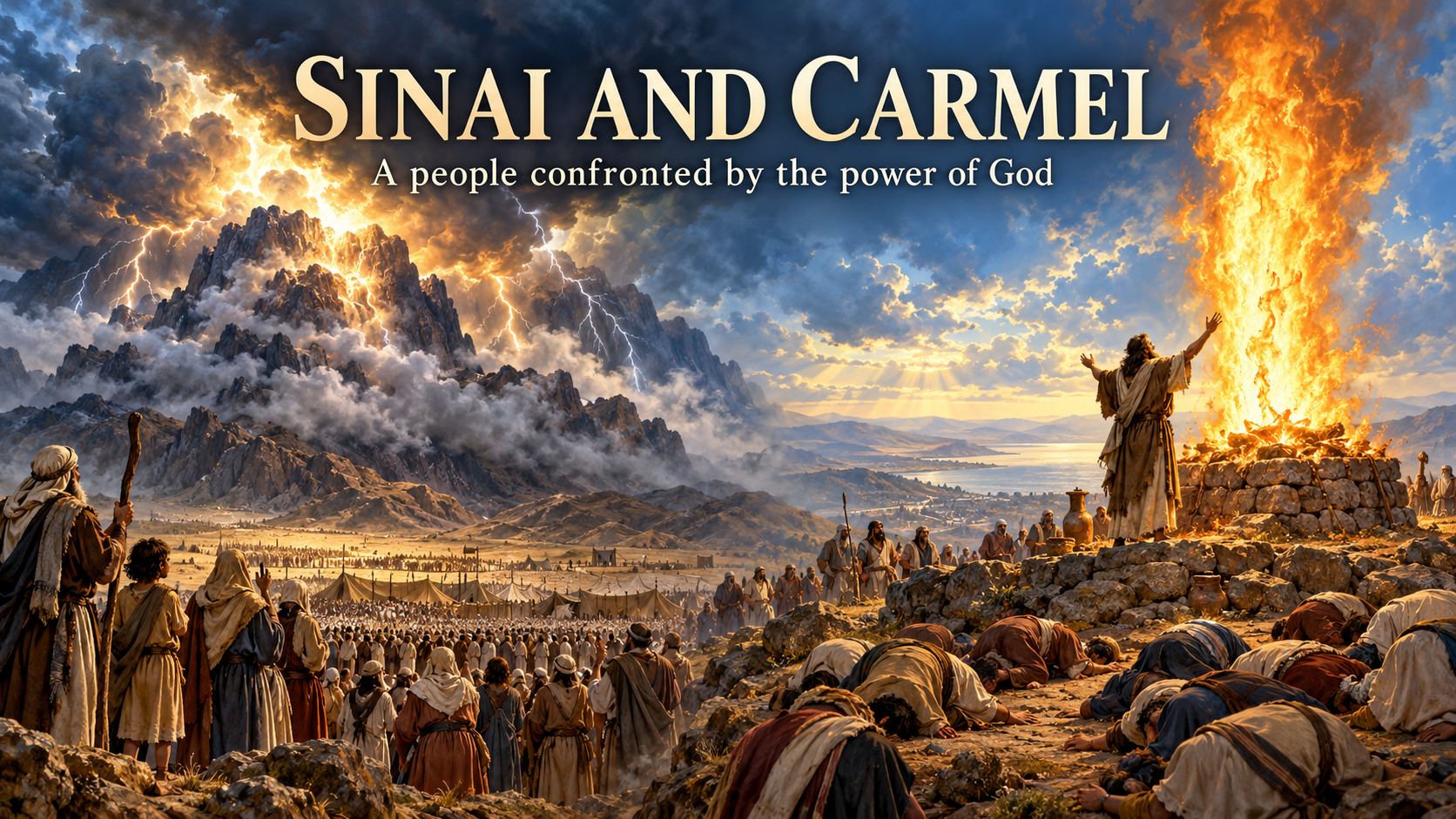
Moses himself asked whether any people had ever heard God speaking from the fire, as Israel had, and lived (Deuteronomy 4:32–36). The whole camp trembled. The people feared that hearing God would kill them (Exodus 19:16; 20:19).
Both Sinai and Nineveh brought a people face to face with the danger of death. Both called for a response. In the preparations for Sinai, Israel pledged to do all that the Lord had spoken (Exodus 19:8). At Nineveh, the people believed God and turned from their evil ways (Jonah 3:5–10).
But Sinai had thunder, lightning, a thick cloud, and a trumpet blast. At Nineveh, none of those outward signs is recorded. They heard God’s warning through His messenger, and they believed Him.
Then there is Mount Carmel.
Elijah stood before the people and prayed. Fire fell from heaven. The people fell on their faces and declared, “The LORD, he is the God” (1 Kings 18:39).
What a moment that must have been. Yet no fire is recorded falling at Nineveh. No public miracle accompanies Jonah’s preaching in the account. Still, the warning reached from the people to the throne.
The Egyptians had witnessed the plagues. Israel had witnessed the parting of the sea and water coming from the rock. Those events revealed God’s power. Nineveh’s account places the emphasis on something that keeps drawing my attention:
“The people of Nineveh believed God.”

That brings me to the opening words of the Shema.
שְׁמַע יִשְׂרָאֵל — Shema Yisrael. Hear, O Israel.
Hearing, in that call, asks something of us. We are to listen, take God’s words to heart, and live by them. The verses that follow call Israel to love God, keep His words upon the heart, and teach them to the next generation (Deuteronomy 6:4–9).
Nineveh heard. Nineveh believed. Nineveh changed.
Jews read Jonah on Yom Kippur, the Day of Atonement, as we seek God’s forgiveness and hope to be sealed in the Book of Life for another year. Nineveh’s king expresses that same uncertainty and hope: “Who knows? God may turn and relent … so that we may not perish” (Jonah 3:9). We repent and place ourselves before God’s mercy, hoping our turning will be accepted. Nineveh shows how that turning can open a future—from the threat of death toward life.
Yeshua draws the comparison Himself. The people of Nineveh repented at Jonah’s preaching, He said, and now someone greater than Jonah stood before His hearers (Matthew 12:41). Many in Israel heard Yeshua and followed Him. But His words confronted those who resisted: Nineveh had responded to a lesser messenger. How would they respond to Him?
That question reaches me, too. What does my response reveal about how well I have heard?
Nineveh’s response amazes me, but it also humbles me. I know how often I have heard without changing.
The coming of the Messiah is hardly a concept foreign to Judaism. It is deeply rooted in Jewish hope. Isaiah describes a ruler from the line of Jesse who will judge with righteousness, confront wickedness, and establish peace. The earth will be filled with the knowledge of the Lord (Isaiah 11:1–9). That is a vision of God’s power reaching far beyond one city.
I wonder whether Nineveh gives us a glimpse of what it looks like when a people are confronted by God’s power and finally hear Him.
I wonder whether the book of Jonah also gives us a picture of the warning before the Day of the Lord. God announces approaching judgment. He sends a messenger. People are given an opportunity to turn.
Yeshua explicitly connects Nineveh with the judgment, saying its people will rise at the judgment with the generation He was addressing (Luke 11:32). Seeing the whole book as a sign pointing toward the Day of the Lord is how I am coming to read its larger pattern.
I see the transformation from death to life—resurrection—as part of the amazing message of the book of Jonah. God brought Jonah up from the depths, then worked through him to turn a city facing death toward life. Even the warning carries that possibility. As I explored in The Flip Side, נֶהְפָּכֶת (nehpachet), translated “overthrown,” comes from the Hebrew root הפך, meaning to turn or overturn. Sanhedrin 89b sees two possible outcomes: destruction or transformation for the good. Nineveh heard God, repented, and lived.
Nineveh’s judgment was averted. God saw what the people did—how they turned from their evil ways—and spared the city (Jonah 3:10). The warning had opened a door to mercy.
God controls the decree. He can dole out judgment or mercy. But the choice of repentance is ours.
That leaves me with hope. Before destruction came, God sent a word. Nineveh heard it. There was still time to turn.