
The Armor of God — Think Again
Before you picture a Roman soldier, listen to the Jewish Scriptures
By Jonah
“Put on the whole armour of God, that ye may be able to stand against the wiles of the devil.”
— Ephesians 6:11, KJV
Author’s note: This post condenses a more extensive study of the biblical, historical, and Jewish interpretive background of the Armor of God. The fuller research could become a more academic article.
Ephesians is a New Testament letter traditionally attributed to the apostle Paul. Named for Ephesus, an ancient city in what is now Turkey, it addresses believers learning how faith should shape their lives. Near its conclusion, Paul calls them to stand firm against spiritual evil.
The expression Armor of God appears in Ephesians 6:11 and 6:13. Paul describes a belt of truth, a breastplate of righteousness, footwear associated with the gospel of peace, a shield of faith, a helmet of salvation, and the sword of the Spirit—God’s Word. He follows these with a call to prayer.
Today, Christian sermons, Bible studies, and devotional guides encourage believers to “put on” that armor daily. The intention is to strengthen faith, resist temptation, and trust God. A Roman soldier frequently supplies the illustration. Ministries such as Cru and Bible Gateway explicitly connect the passage with Roman equipment¹.
I hear that explanation often. Sometimes it comes with an actual picture: helmet gleaming, shield raised, sword ready. The soldier stands before the congregation as an image of strength.
As a Jewish man, I find that image disturbing and even offensive when it becomes an admirable model of God’s power. Christians, remembering their own predecessors’ suffering under Roman authority, also have reason to reconsider it.
The history that the Roman uniform carries cannot simply be left outside the room.
And there is another question: does the Roman soldier explain where Paul’s spiritual imagery actually comes from?
What does the picture preach?
A picture begins teaching before the preacher explains it.
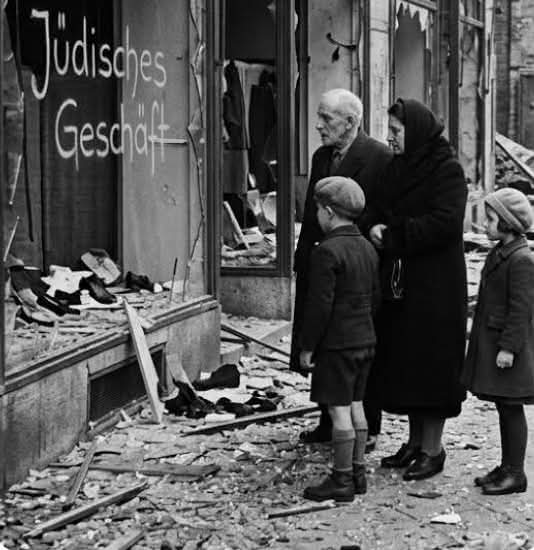
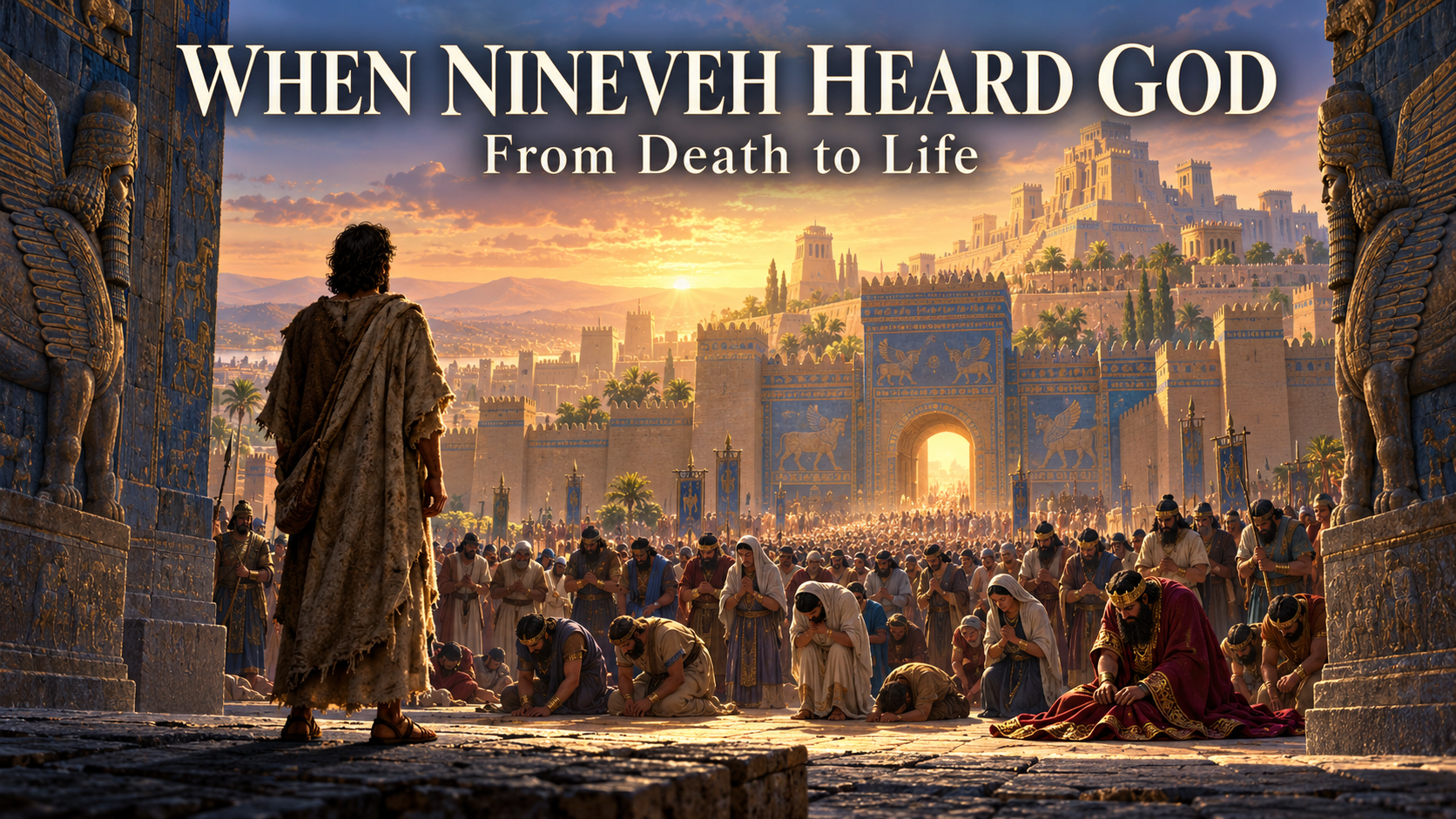
A teacher may intend only to explain ancient equipment. Yet a heroic Roman warrior can communicate admiration for the power he represents. For a Jewish listener, the same image may evoke conquest, crucifixion, the destruction of Jerusalem, and the burning of the Temple that Jesus made pilgrimages to.
Among those crucified under Roman authority was Yeshua—the very person Christians worship.
Roman armies destroyed Jerusalem and the Second Temple in 70 CE. Josephus describes trees and gardens stripped away for siege works. He also reports Jewish captives thrown to beasts, burned, or forced to kill one another in spectacles staged by Titus².
The suffering of conquered Jews and early followers of Yeshua became public entertainment.
Rome’s wars killed, enslaved, and displaced Jews. Later, under Hadrian, Judaea became Syria Palaestina, while Jerusalem was refounded as Aelia Capitolina. Jews were barred from the city after the Bar Kokhba revolt³. The diaspora was older than Rome, but Roman conquest deepened its wounds.
Christians have their own history of suffering under Roman power. Christian persecution recurred over the roughly 250 years between Nero and the toleration associated with 313; it was not continuous or uniform. Accounts of torture and arena executions nevertheless belong to that history. Christian tradition also places the deaths of Peter and Paul under Nero⁴.
My concern goes beyond whether a preacher acknowledges these facts. Even making imperial military strength the starting point for imagining God’s power disturbs me. Conquest, coercion, and the ability to kill are troubling models through which to introduce truth, righteousness, and peace.
Paul himself knew Roman punishment. He reports three beatings with rods (2 Corinthians 11:25). That does not prove he could never use military equipment as a metaphor. It does give us reason to distinguish using an image from glorifying the power behind it.
Begin with the Jew speaking
Paul describes himself as a Hebrew of Hebrews, from Benjamin, with a Pharisaic background (Philippians 3:5). Acts presents him as educated under Gamaliel (Acts 22:3).
His mission to the nations did not erase the Jewish Scriptures that shaped his thinking. Those Scriptures provide the clearest foundation for the armor’s spiritual meaning.
Ephesians never says Paul looked at a Roman guard and modeled the armor on him. That familiar sermon scene is a reconstruction.
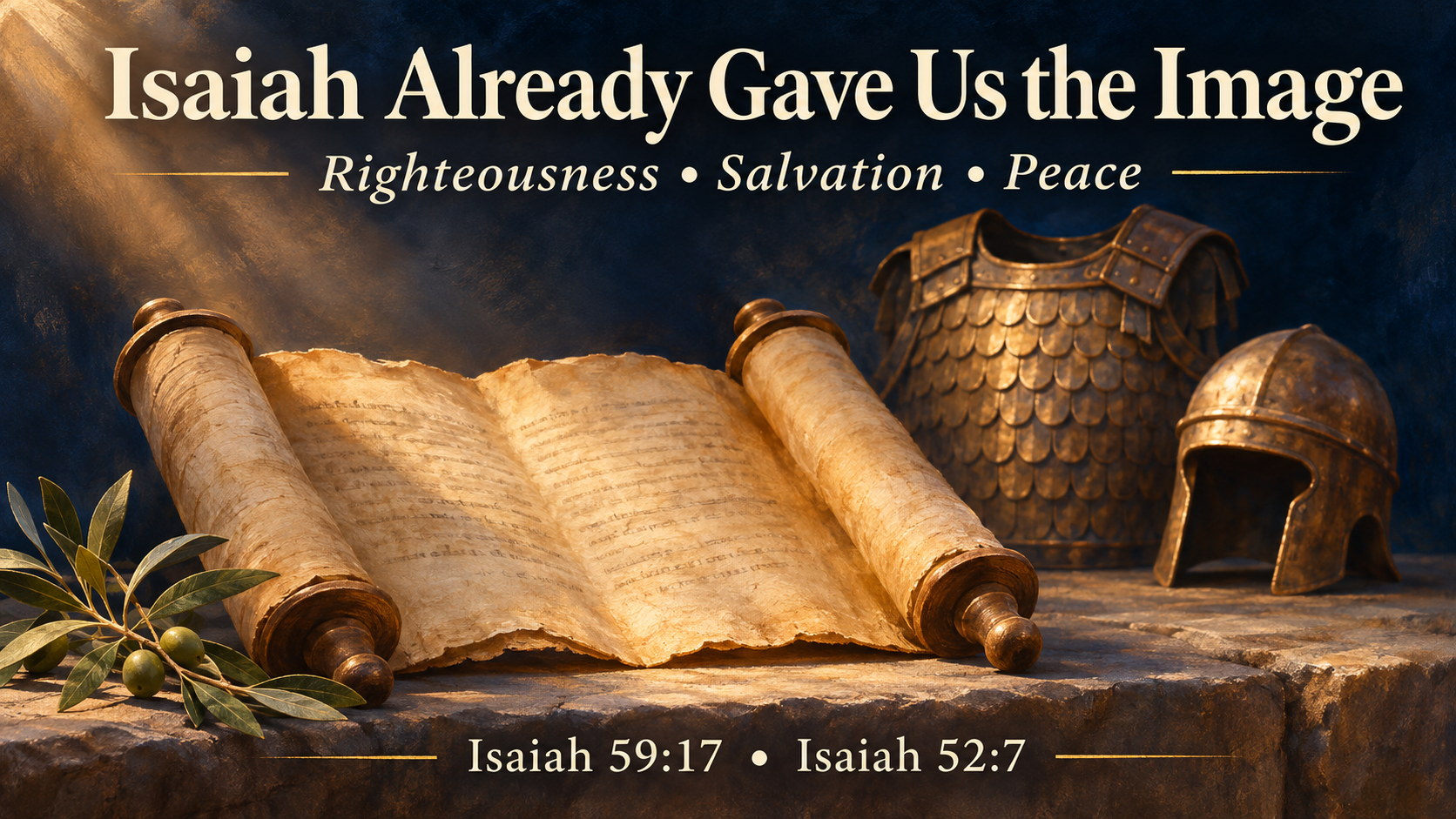
Isaiah already gives us the breastplate of righteousness and helmet of salvation.
Belt of truth – The ruler from Jesse’s line is girded with righteousness and faithfulness—Isaiah 11:5.
Breastplate of righteousness – God wears righteousness as a breastplate—Isaiah 59:17.
Feet prepared for the gospel of peace – A messenger’s feet bring good news and proclaim peace—Isaiah 52:7.
Shield of faith – God shields those who trust Him—Psalm 18:30; 28:7.
Helmet of salvation – God wears a helmet of salvation—Isaiah 59:17.
Sword of the Spirit, God’s Word – The servant’s mouth is compared to a sharp sword—Isaiah 49:2.
The breastplate and helmet are particularly direct verbal connections. Other examples show broader thematic relationships.
Paul did not need Rome to teach him that righteousness could be a breastplate. Isaiah had already done that.
I am not alone
This challenge has scholarly support.
Bruce Ashford and David Nelson explicitly criticize letting the Roman-soldier reconstruction obscure Isaiah. They write:
“Paul is not instructing the believers at Ephesus to metaphorically put on the armor of the Roman soldier”⁵
They continue by explaining the instruction through putting on Christ and point readers to Isaiah 11, 52, and 59.
Holly J. Carey likewise argues that Isaiah 59 should govern our understanding of the passage. She connects its armor with God’s work against injustice and notes that believers are called:
“not to clothe themselves in vengeance or fury.”⁶
Those garments appear in Isaiah’s description of God, but Ephesians does not assign them to believers.
These scholars support the scriptural argument. I do not claim they share every aspect of my personal response to Roman imagery. Their work does establish that reading the passage through Isaiah is substantial interpretation, not an objection invented to avoid an uncomfortable picture.
Paul already turns to David’s song
The shield also invites us into Paul’s Jewish scriptural world.
- In Romans 15:9, Paul quotes Psalm 18:49, also preserved in 2 Samuel 22:50. His immediate purpose is to show the nations glorifying God for mercy. But his source is David’s song celebrating deliverance from his enemies.
- Within that same song, David calls God the protector of those who trust Him and acknowledges receiving the shield of salvation (Psalm 18:30, 35).
- Paul quotes a song in which David’s trust, God’s protection, salvation, and deliverance belong together.
- Romans 4:5–8 provides another explicit connection: Paul invokes David’s words from Psalm 32 when explaining faith, righteousness, and forgiveness.
This does not prove that Ephesians’ shield of faith directly quotes Psalm 18. It does give us a meaningful framework: the God David trusted and called his shield already belongs within the scriptural witness Paul uses.
We can hear David before reaching for a Roman soldier.
The righteous servant bears iniquity
Isaiah’s Hebrew deepens the picture. Tzedakah—צְדָקָה—means righteousness or justice; in Jewish practice, it also refers to charitable giving as a righteous obligation. In Isaiah 59:17, righteousness is the breastplate. Tzaddik—צַדִּיק—means a righteous person. Both share the root צ־ד־ק.
Then Isaiah 53:11 brings righteousness and bearing iniquity into one portrait:
“…by his knowledge shall my righteous servant justify many; for he shall bear their iniquities.” — KJV
The servant is called tzaddik avdi—“my righteous servant.”
For Christian readers, Isaiah 53 is foundational to understanding Yeshua’s suffering and death. First Peter 2:22–24 draws on that chapter to describe his innocence, refusal to retaliate, and bearing sins so others might live in righteousness.
Christians therefore have a deeply familiar messianic image through which to consider righteousness: the servant who bears suffering for others.
Jewish interpreters differ over the servant’s identity. The Christian connection developed here does not claim Ephesians directly quotes Isaiah 53. It asks Christian readers to let the character of the righteous servant inform the strength they celebrate.
Parchment, ink, and trees of life
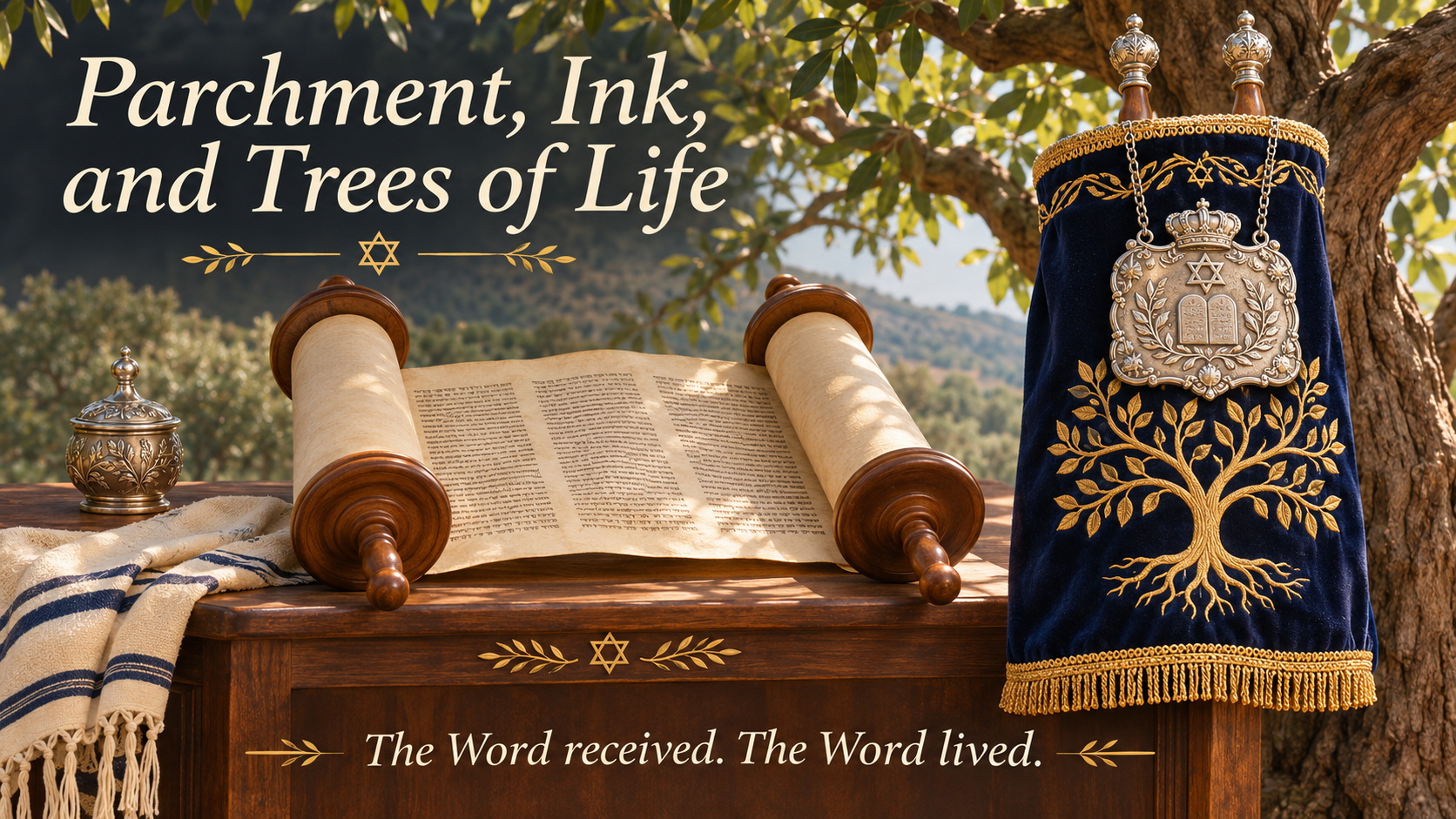
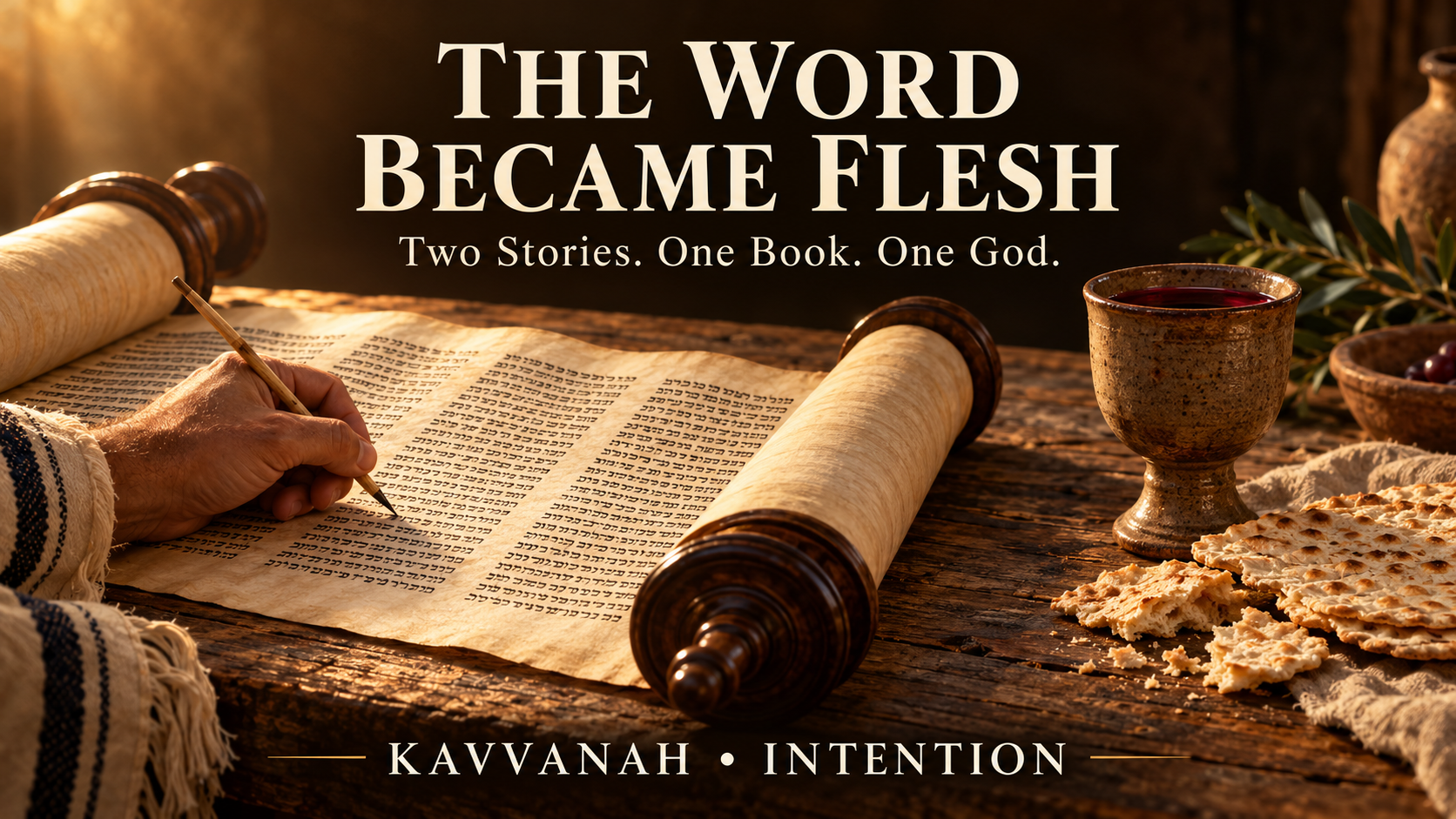
Consider the Torah scroll: Hebrew words written in ink on parchment, attached to wooden rollers called atzei chayim—“trees of life.”7
No blade gives those words authority. Yet the instruction they carry confronts injustice, shapes communities, and teaches generations how to live before God.
Torah declares, “For it is not a vain thing for you; because it is your life” (Deuteronomy 32:47, KJV).
Parchment, ink, and wood can carry a message of greater spiritual authority than an empire’s weapons.
That is an image worth celebrating: the Word held upon the trees of life, lifted before a congregation, received with reverence, and carried into daily conduct.
The familiar dressed Torah adds a belt, mantle, breastplate, and crown or finials. Its ornaments developed over time; they are a meaningful visual parallel rather than proof of Paul’s historical model.
The Torah breastplate recalls the High Priest’s choshen, on which Aaron carried the names of Israel’s tribes over his heart (Exodus 28:29). Isaiah’s military breastplate uses a different Hebrew word, shiryon. The images are distinct, but both open a Jewish conversation about righteousness, holiness, and responsibility before God.
For Christian readers, John’s declaration that the Word became flesh gives the discussion a further dimension. Understanding Yeshua as the living embodiment of divine instruction connects the written Word with truth and righteousness lived. John’s Word also encompasses God’s eternal, creative self-expression.
Paul places the armor of light and putting on Messiah within the same appeal to transformed living (Romans 13:12–14).
The written Word, the Word made flesh, and a life clothed in righteousness belong together in this theological reading.
When the illustration closes the door
Apologetics—the work of explaining and defending a faith—requires attention to the person being addressed.
A Christian speaker may see discipline and protection in the Roman soldier. A Jewish listener may see the force that destroyed the Temple and made Jewish suffering a spectacle. Not every listener responds alike, but that difference deserves understanding.
When Rome’s warrior is presented admiringly and our historical memory has no place in the explanation, it can feel as though the Jewish listener has been asked to leave the room.
Apologetics gets off to a terrible start when its opening illustration appears to glorify the power under which the listener’s people suffered.
That listener may be recoiling from the illustration rather than rejecting the biblical teaching. Why create that obstacle when Israel’s Scriptures already supply such a rich framework?
Did Distance from Judaism Shape the Picture?
I cannot help wondering:
Did Christian preachers become more comfortable picturing a Roman soldier than exploring Paul’s Jewish world because of an aversion to Judaism?
The question has a historical basis. Church authorities sometimes deliberately discouraged Jewish observance and enforced separation between Jews and Christians. Could that inherited distance have shaped which images Christian teachers embraced—and which connections they overlooked?⁸
There is another question alongside it: might the Roman Catholic Church’s identification with Rome have made Roman imagery feel more comfortable within Christian teaching than it does to Jewish listeners? For one audience, Rome can signify religious authority and continuity; for another, it recalls conquest, crucifixion, and the destruction of the Temple.
Identification with Christian Rome does not automatically imply admiration for imperial Rome’s soldiers. Nor is the Roman-soldier illustration exclusively Catholic; Protestant preachers use it widely. But those different associations deserve consideration when Christians choose the image through which they introduce Paul’s words.
Christianity’s own history of celebrating religious warfare adds another troubling dimension. The medieval papacy promoted crusading, and crusading forces massacred Jewish communities. Those Crusaders were not ancient Roman soldiers, and some church leaders opposed their attacks on Jews. Nevertheless, that history helps explain why presenting a warrior as an embodiment of holy power can carry painful associations for a Jewish listener.
None of this establishes why the Roman-soldier interpretation developed. Early Christian interpreters could recognize Isaiah’s imagery, too. The historical separation is documented; its influence on this particular illustration remains a question to investigate.
But the question deserves to be asked: has the Roman soldier become so familiar that Christians no longer recognize the Jewish Scriptures beneath his armor?
Recovering those connections means listening more closely to the Scriptures that shaped Paul.
Think Again
We need not prove that Paul excluded every association with familiar military equipment. Several associations can coexist. But a plausible visual background should not eclipse identifiable scriptural sources.
When I describe the Armor of God as Torah, I mean God’s instruction, truth, and promises received and lived. I use Torah in that broad sense, recognizing that the closest armor wording comes from Isaiah in the Prophets.
The strength Paul names is truth, righteousness, faith, salvation, peace, and God’s Word, sustained by prayer. His struggle is explicitly beyond flesh and blood. Other people are not targets for these spiritual weapons.
Why make a heroic Roman warrior the face of the Armor of God when Roman authorities crucified Yeshua and Isaiah already supplies the passage’s spiritual imagery?
If Jews and Christians are to come together as one, which Messiah would certainly want, it is worth the effort to think again about this image. What one listener sees as strength, another may recognize as the uniform of oppression. Understanding that difference is part of learning to hear one another.
The Armor of God offers an opportunity to meet in the Scriptures we share. Before reaching for a Roman soldier, we can turn together to Isaiah’s righteousness, David’s trust, and the power of God’s Word. That is common ground worth standing on.
Before we admire the armor of Rome, let us understand the true Armor of God.
Two stories, one book, one God.
Addendum: Further Jewish connections
The fuller study explores several additional images that can enrich this reading.
- The sages’ sword of Scripture. Berakhot 5a compares reciting the Shema before sleep with holding a double-edged sword against evil. Shabbat 63a interprets the sword of Psalm 45 in relation to Torah. These later rabbinic teachings illustrate a Jewish tradition of sacred words as spiritual protection; they are not established sources used by Paul.
- Tzadi and Zayin. Shabbat 104a associates the bent and final forms of tzadi with the righteous person and humility. Jewish letter interpretation associates zayin with weaponry. These offer further symbolic reflection without proving Paul intended references to those letters.
- The Shield of David. Today’s Magen David offers a familiar Jewish image of identity and belonging. Its development as a widespread emblem is later than Paul; it should not be treated as David’s literal shield or Paul’s intended symbol. The earlier biblical foundation is God as shield, especially in David’s psalms.
- Holy ground. Moses and Joshua remove their sandals before divine holiness (Exodus 3:5; Joshua 5:15). Isaiah’s messenger provides the closer source for Paul’s footwear, while these encounters invite reflection on humility before God.
- The centurions. The officer at Capernaum, the centurion at the cross, and Cornelius show that a person serving Roman power could recognize a higher authority. Their stories distinguish the transformation of individuals from admiration for imperial violence.
- Later history. The expanded research also considers Onkelos’s soldiers in Avodah Zarah 11a, Paul’s contacts with imperial circles, and Crusader atrocities. Those discussions illuminate kingship, conversion, and the consequences of religious military imagery; they do not independently establish the original source of Ephesians’ armor.
Notes and selected bibliography
1. Cru, “The Armor of God: Protection in Spiritual Warfare”; Bible Gateway, “Prepare for Spiritual Warfare: Put On the Armor of God”.
2. Josephus, The Jewish War 5.3.2; 6.1.1; 7.2.1; 7.3.1. See Book 6 and Book 7. Josephus reports the captive spectacles; his descriptions should be identified as his account.
3. For the provincial renaming, see “The Roman Near East,” in Early Christianity in Contexts (2014). For Jerusalem’s refoundation around 130, before the revolt, see Jodi Magness, “Aelia Capitolina: A Review of Some Current Debates about Hadrianic Jerusalem”. For the exclusion of Jews after the revolt, see her chapter on Aelia Capitolina in The Archaeology of the Holy Land.
4. Eusebius, Church History 5.1, preserves the account of Christian martyrs at Lyons in 177. His Church History 2.25 reports Peter’s crucifixion and Paul’s execution under Nero. First Clement 5 is an earlier witness to their suffering and deaths but does not specify Peter’s manner of death. Persecution was intermittent; see University of Queensland, “Mythbusting Ancient Rome—Throwing Christians to the Lions”.
5. Bruce Ashford and David Nelson, “Meaning, Reference, and Textuality: An Evangelical Appropriation of Hans Frei,” Scottish Bulletin of Evangelical Theology 28, no. 2 (2010): 195–216, quotation at 213. Full article. The excerpt is part of a longer sentence contrasting Roman armor with putting on Christ through Isaiah’s imagery.
6. Holly J. Carey, “An Armored Household: Isaiah 59 as the Key to Ephesians 5:21–6:9 and 6:10–17,” Journal of Biblical and Theological Studies 3, no. 2 (2018): 260–270, quotation at 266. Full article.
7. Yehuda Shurpin, “Why Two Rollers for a Torah and One for a Megillah?”, Chabad.org. For later Torah ornaments, see Skirball Cincinnati, “Tas (Torah Breastplate)”.
8. The fourth-century Council of Laodicea, Canon 29, prohibited Christians from observing Jewish Sabbath rest. The Fourth Lateran Council (1215), Canon 68, required Jews and Muslims to wear distinguishing clothing. These illustrate church-enforced separation; they do not establish the origin of the Roman-soldier interpretation. See Laodicea, Canon 29 and Lateran IV, Canon 68.
Additional research: Tim Carter, “Intertextual Links between Isaiah 59 and the Armour of God in Ephesians 6,” Evangelical Quarterly 93, no. 3 (2022): 238–258, author-contributed summary; Thomas R. Yoder Neufeld, “Put on the Armour of God”: The Divine Warrior from Isaiah to Ephesians (Sheffield Academic Press, 1997), publisher’s description. Their complete works should be consulted for claims beyond the material directly verified here.