
THUMBS UP

I noticed my thumb today. Weird thing to notice. But it really is an amazing creation.

Medically and biomechanically, the human thumb is an outlier: it is uniquely built for powerful and precise grip, and losing it compromises an enormous share of hand function.
Researchers in hand surgery and rehabilitation often estimate that the thumb accounts for roughly a third to nearly half of functional hand capacity, which is why thumb loss is described as “quite literally losing one’s grip.”
Given all that, it is striking—but not surprising—that Scripture uses the thumb as a key anatomical “handle” for talking about consecrated action and, in judgment texts, the removal of a person’s practical power to act. The human thumb lands right at the intersection of biology and biblical theology.

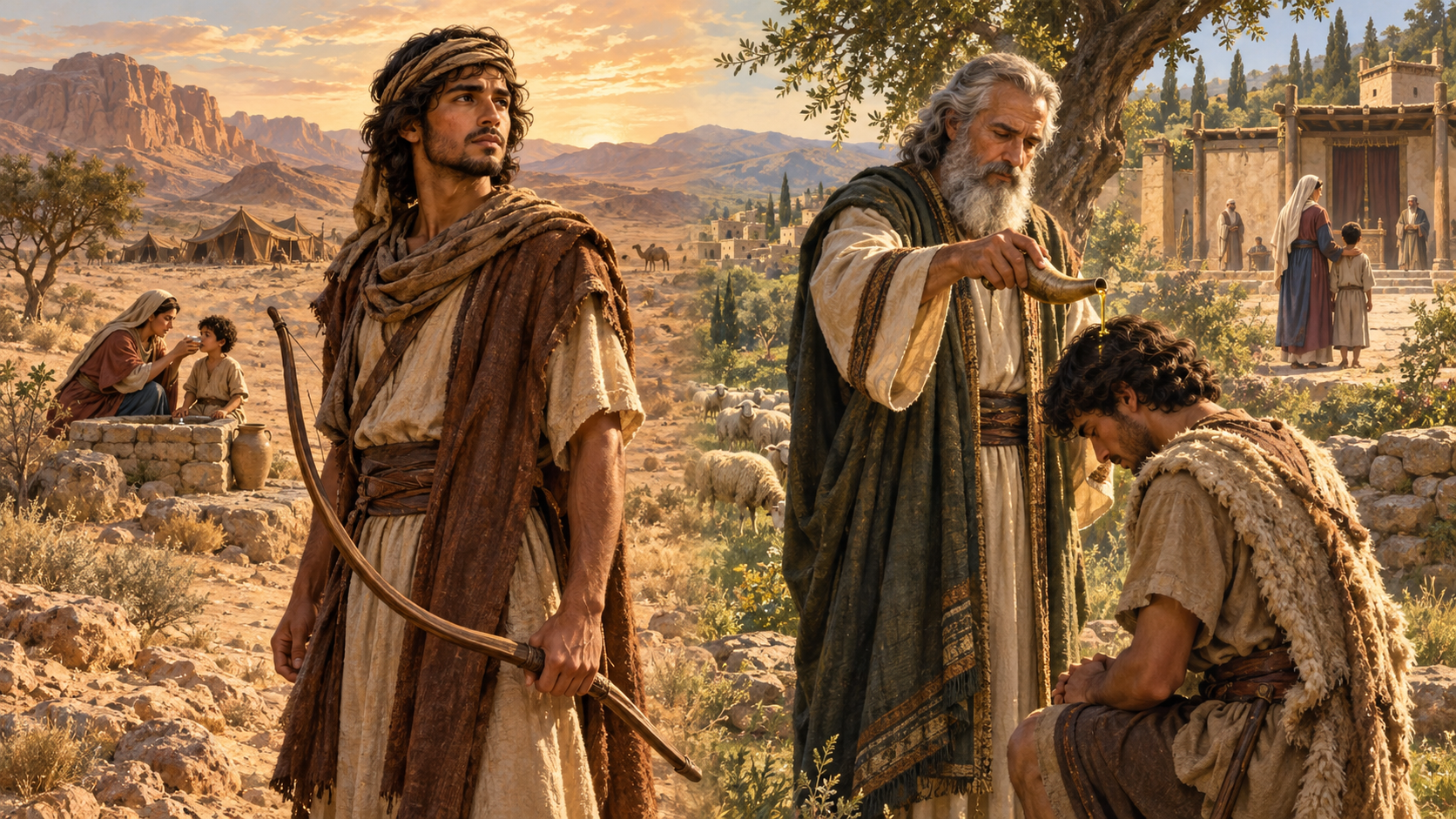
The human thumb is mentioned in the Bible, primarily in the Old Testament, often to signify consecration, service, or punishment. It is mentioned in contexts involving priestly ordination rituals (Leviticus 8:23-24) and the punishment of capturing enemies by cutting off their thumbs and big toes (Judges 1:6-7). 

Consecration and the thumb are deliberately linked in Scripture: the thumb marks a life set apart for holy work, and its loss marks the stripping away of power to act at all.

The thumb is singled out as the “master digit” that makes the hand truly useful, symbolizing work, craftsmanship, and service under God’s authority. Marking the thumb with blood says that every act, every tool grasped, every blessing given or judgment rendered by that hand is now priestly, not private property.

Theologically, the thumb keeps pointing you back to a single question: whose work are these hands really doing?

In that frame, blood on the thumb says that every act of ministry, judgment, blessing, or daily labor performed by that hand belongs to God.

I think every casual “thumbs up” can be a tiny liturgy, a quiet reminder to look up and ask if the work of our hands is consecrated?”

Makes me want to consider “high five.” LOL.

Disclaimer: This blog is a space for ongoing theological reflection and study. The ideas, interpretations, and structure are my own, developed through personal research and meditation. I draw from a wide range of sources, including Scripture, Jewish tradition, and theological writings. Because these pieces are intended as reflective rather than academic, I do not consistently cite or identify every quotation or influence. The goal is clarity of thought and flow, not formal publication. Readers are encouraged to explore further and engage these writings as a starting point for deeper study.

Facebook
Twitter
LinkedIn
Pinterest
WhatsApp
Telegram
Tumblr

Get my devotional insights to help you live out your faith.