The Shofar Rests Silent on 9/11
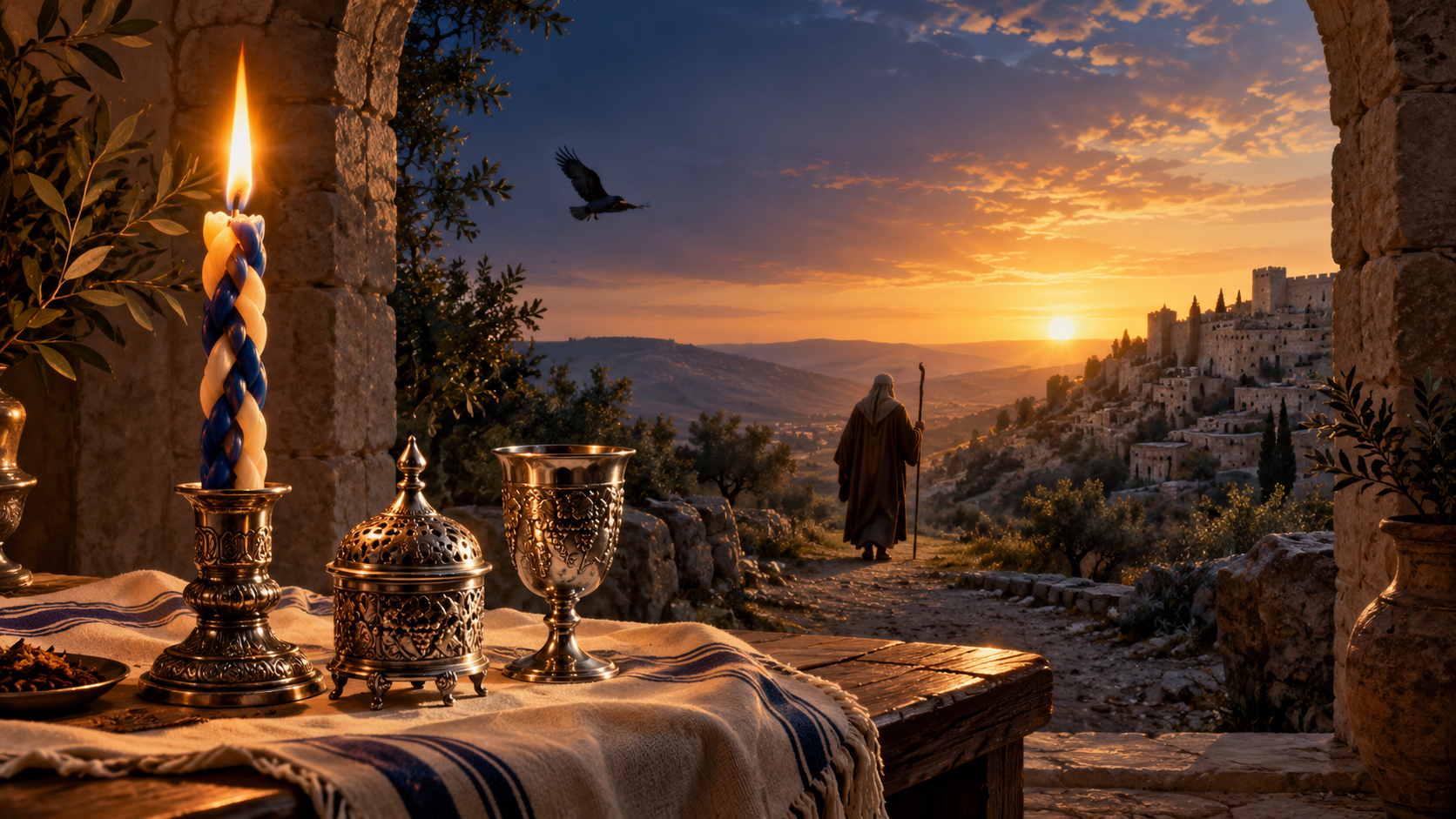
Tonight, at sundown, the Sabbath and Rosh Hashanah begin together. Rosh Hashanah means “Head of the Year.” The Hebrew calendar advances from 5786 to 5787, and the date becomes 1 Tishrei.
The holiday is biblically called Yom Teruah—the Day of Blasting. This year, it begins on the evening of September 11, 2026—the twenty-fifth anniversary of 9/11.
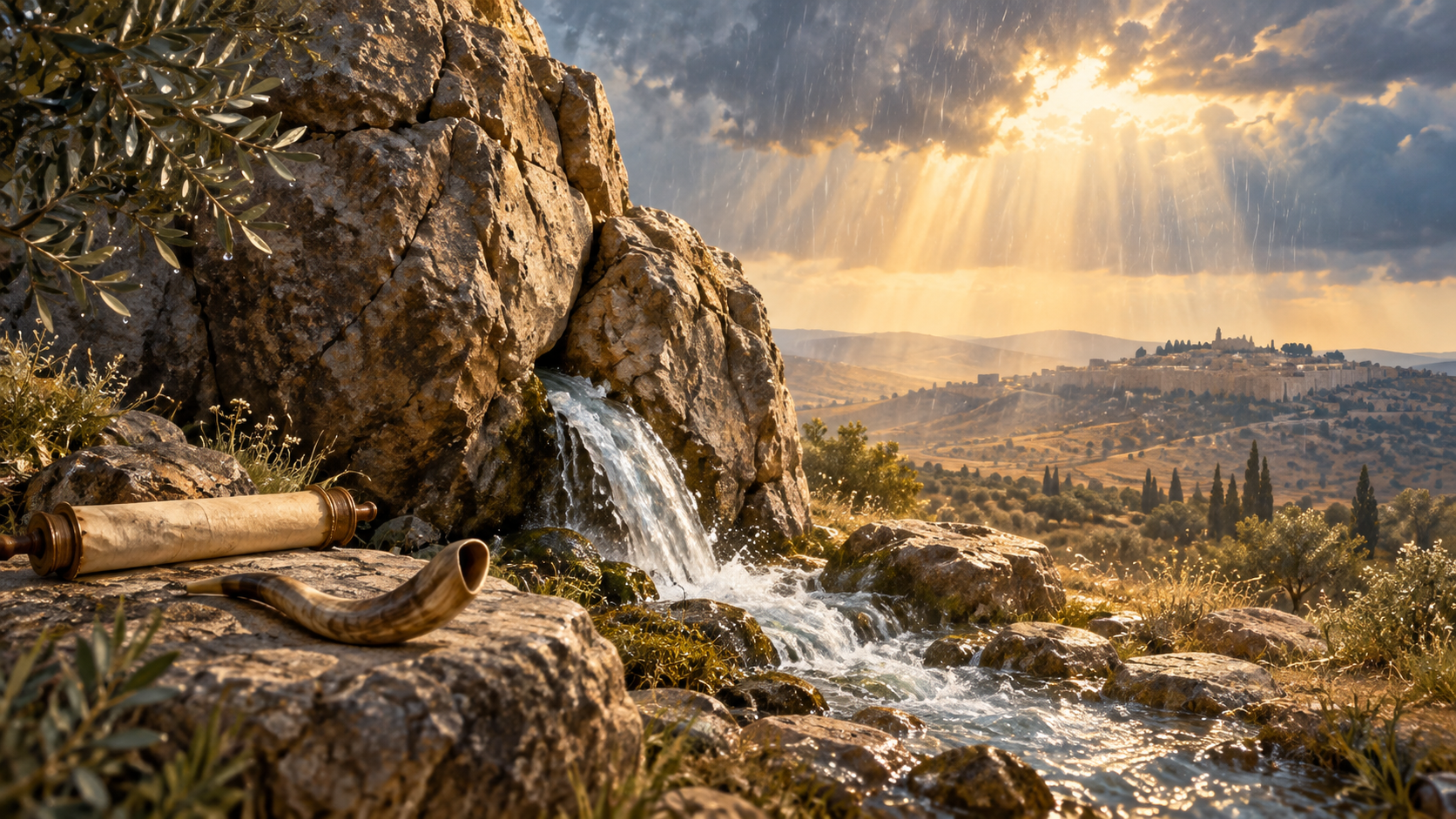
The shofar—the ram’s horn—sounds a call to assemble, as well as a warning, a call to battle, and a call to the Lord.
Rosh Hashanah is also known as Yom HaZikaron—the Day of Remembrance. September 11 is a day of remembrance, too. On one, we stand before God, who remembers His people and their deeds. On the other, we remember those we lost. This year, these two observances meet as the sun sets.
The convergence is particularly striking. Islamist terrorists attacked New York City and the Pentagon twenty-five years ago. Today, Israel and the wider Middle East continue to confront Islamist extremism. The anniversary recalls a past attack, but the danger is not confined to the past.
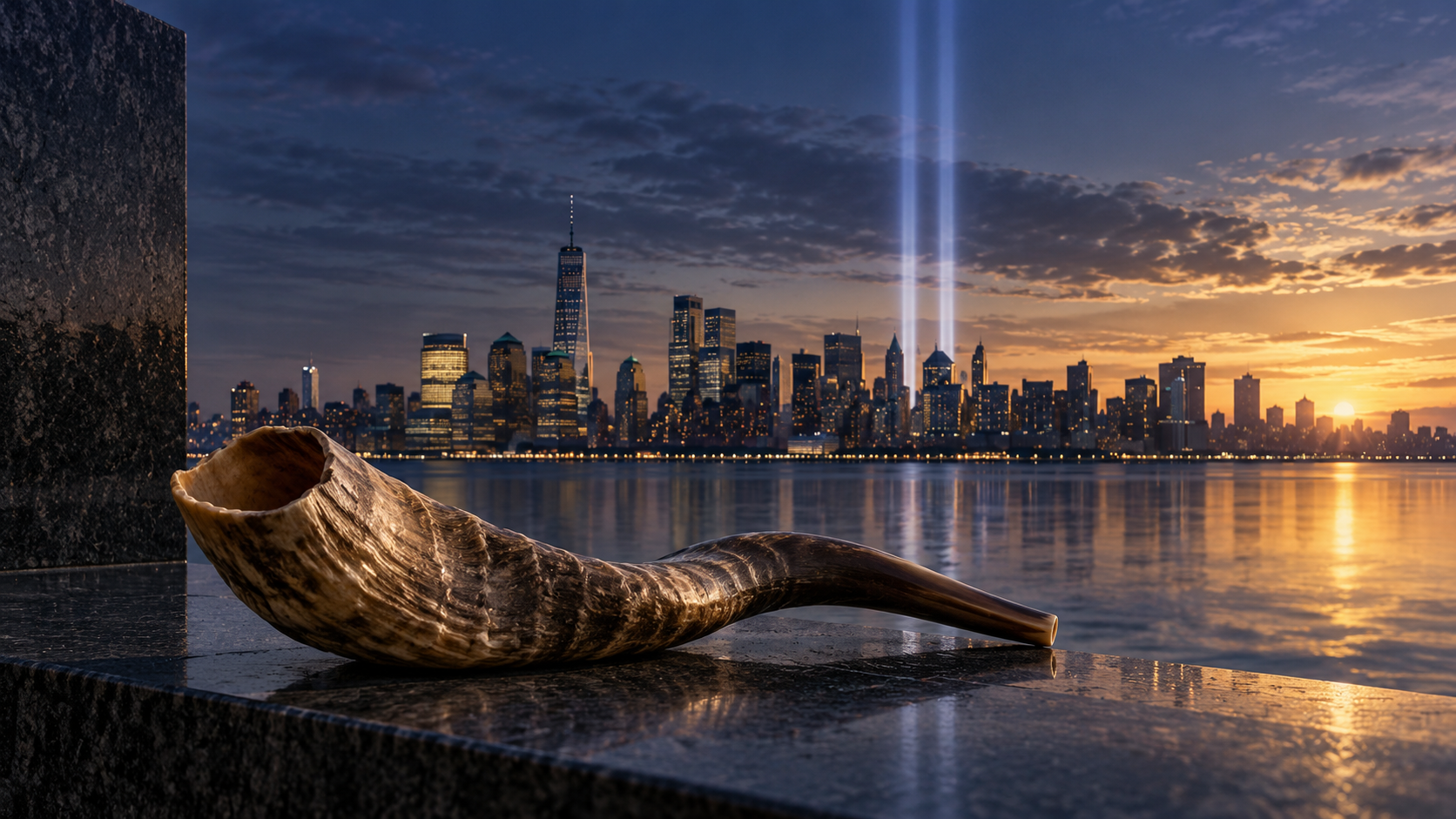
Yet as this particular Yom Teruah begins, the shofar will remain silent.
Because the first day of Yom Teruah falls on the Sabbath, traditional Jewish practice postpones the shofar blasts until the second day. As we remember the lives taken on 9/11, the shofar will stand silently with us. On this Shabbat, the Shofar rests as well.
It is as though God Himself is marking the anniversary—in silence. BUT, silence will not be the final word.
Under such circumstances, it almost seems strange to say Shanah Tovah—“a good year.” Yet perhaps this is precisely when it must be said. It is not a prediction that the year will be easy. It is a prayer that, despite the evil we remember and the dangers we still face, goodness will prevail.
But make no mistake: the silence will not last.
On Sunday, September 13, the second day of Rosh Hashanah, the shofar will sound. The warning will be heard. The call to repentance, readiness, remembrance, and the Lord will follow the silence.
Deuteronomy 30 speaks of exile and return, judgment and restoration, death and life. Islamist extremists seek the destruction of Israel and Western civilization. But we know the power of the God of Israel—the God who gathers His people, restores what was lost, and commands us to choose life.
There is a time for silence. Then comes the trumpet call.
And so, even now, we say Shanah Tovah. May life and goodness have the final word.
Related Studies On IJewBelieve.Com:
Part I — The Final Trumpet Call” (https://ijewbelieve.com/the-final-trumpet-call-part-one/)
“Part II — The Final Trumpet Call” (https://ijewbelieve.com/the-final-trumpet-call-part-two/)
Our amazing God has amazing timing!