Preface
Many television sitcoms of the 1960s did more than make people laugh. Beneath their simple stories and exaggerated characters, they taught lessons about honesty, responsibility, marriage, family loyalty, neighborliness, and acceptance.
Jewish writers and producers played an important role in shaping this era of American comedy. They brought with them an immigrant perspective and a moral heritage rooted in the Hebrew Bible: honor your parents, teach your children, welcome the stranger, pursue peace, act justly, protect the vulnerable, and judge people by their character rather than their social position.
These principles were not always presented explicitly as Jewish or biblical. They were woven into stories about families, neighbors, outsiders, and ordinary moral decisions.
The Munsters belonged to that tradition. Behind its monsters and absurdities was a surprisingly wholesome family whose members loved one another, welcomed outsiders, preserved peace within their home, and demonstrated that a person’s character matters more than appearance.
THE MENSCH BEHIND THE MONSTER
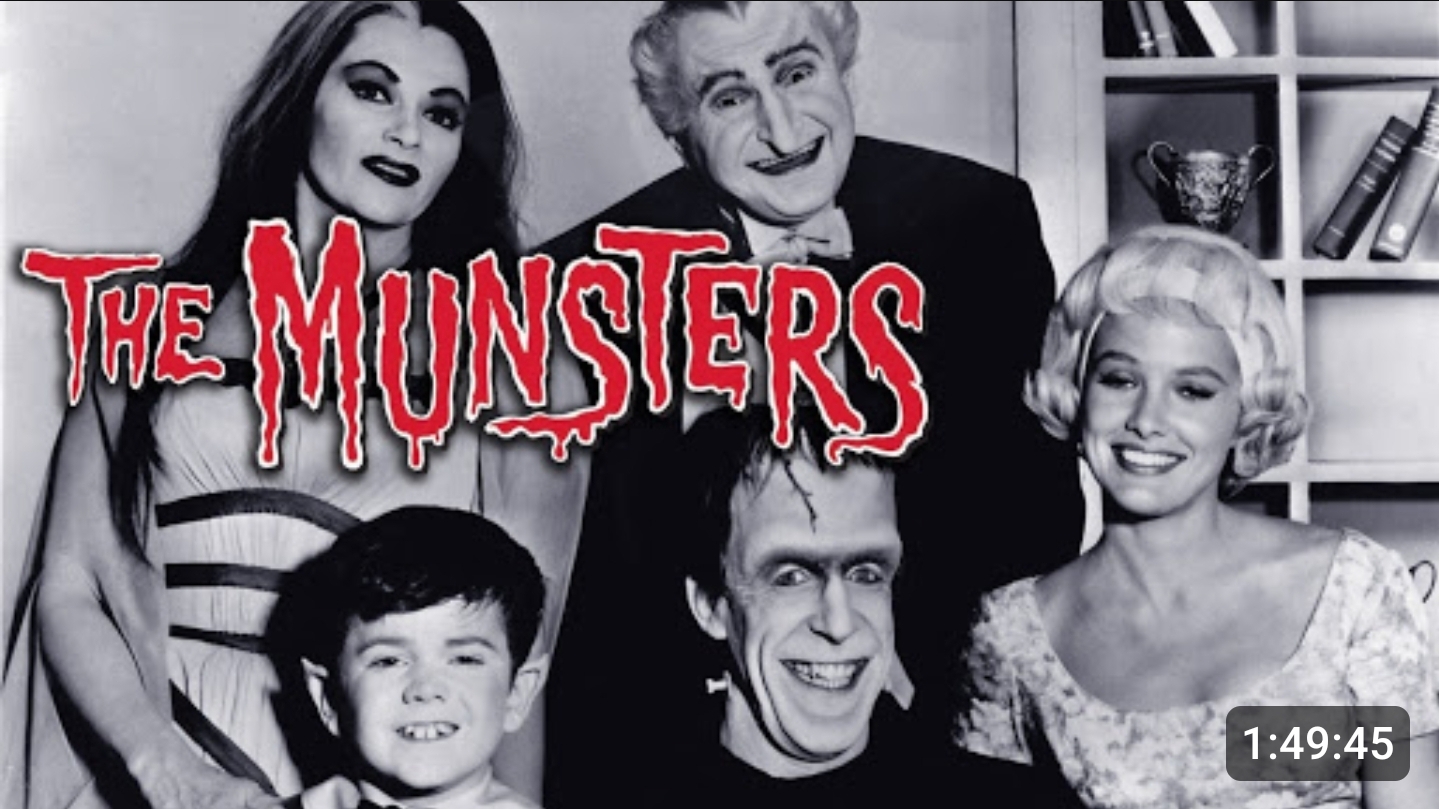
The Munsters was an American television comedy that aired from 1964 to 1966. Although its run was brief, The Munsters became an enduring cultural favorite.
The story followed an unusual but loving family living at 1313 Mockingbird Lane and attempting to enjoy an ordinary suburban life. Herman, the father, resembles Frankenstein’s monster; his wife Lily and Grandpa are vampires; and their son Eddie is a young werewolf. Only their niece Marilyn appears ordinary—although the family lovingly worries that she is the unfortunate-looking member of the household.
That reversal provides the show’s central joke. The Munsters consider themselves a perfectly normal American family, while their neighbors are frightened by them. Beneath the monster makeup and supernatural comedy, however, the program explores marriage, parenthood, family loyalty, social acceptance, and the experience of being treated as an outsider.
Jewish comedy writer Norm Liebmann and his longtime writing partner, Ed Haas, who helped shape the Munsters into the family seen on screen. Another strong Jewish presence came from Al Lewis, born Abraham Meister, who portrayed Grandpa Munster.
They gave the frightening creature a peaceful home, a devoted marriage, a multigenerational family, and the responsibility to teach his children.
Herman preserves shalom bayit. He carries wisdom l’dor v’dor. He raises Eddie to become a mensch. He welcomes strangers, honors his family, receives life with gratitude, and approaches creation with the wonder of a child.
The monster becomes the patriarch. The culturally conventional college student learns from the family society considers abnormal. The outsiders become the teachers.
And the people who appear least human reveal what it means to be truly humane.
The Jewish Immigrant Allegory
The Munsters can be understood as a humorous allegory for the Jewish immigrant experience in twentieth-century America.
The family comes from the “Old Country”—Transylvania—and attempts to build an ordinary life in postwar American suburbia. They embrace the American dream, care for their home, raise their child, and try to be good neighbors. Yet the surrounding community continues to regard them as strange and frightening.
Herman cannot understand why people fear him. He assumes his family has successfully assimilated. His innocence reflects the experience of outsiders who believe they belong while the surrounding culture continues to treat them as different.
Even the set supports this interpretation. Inside the Munsters’ Gothic home are the furnishings, customs, and memories of the Old Country. Outside is an ordinary American neighborhood. The house resembles an immigrant home in which an earlier culture is preserved behind a thoroughly American address.
The Munsters are visibly unusual, but their home is warmer and more loving than many of the supposedly normal homes around them.
Love Lives at 1313 Mockingbird Lane
The Munsters’ address invites a deeper reading.
Thirteen is the Hebrew numerical value of ahavah—אהבה—meaning “love.” It is also the value of echad—אחד—meaning “one.”
The address contains thirteen twice:
13 + 13 = 26
Twenty-six is the numerical value of the divine name YHVH—יהוה. Read through Hebrew gematria, 1313 can therefore suggest love joined with love, producing the value of God’s name. It is a remarkable number for the home of a family held together by affection, loyalty, and acceptance.
Then there is Mockingbird Lane. The name describes the nature of the program itself. The Munsters mocks the ordinary American neighborhood and its ideas about beauty, respectability, and normality. The family that looks monstrous is loving and humane, while its respectable-looking neighbors often respond with fear and prejudice.
A mockingbird also imitates the sounds around it. In a similar way, the Munsters imitate the familiar patterns of American suburban life: the father goes to work, the mother manages the household, the parents raise their child, and the family tries to be accepted by its neighbors. Everything is recognizable, but everything is humorously reversed.
I cannot establish that the writers deliberately selected 1313 for its Hebrew numerical meaning. The number may simply have been chosen because of its association with superstition. Nevertheless, the correspondence is striking:
Love plus love resides on the street that mocks appearances.
At 1313 Mockingbird Lane, the house everyone fears turns out to be the house where love lives.
Shalom Bayit: Peace in the Home
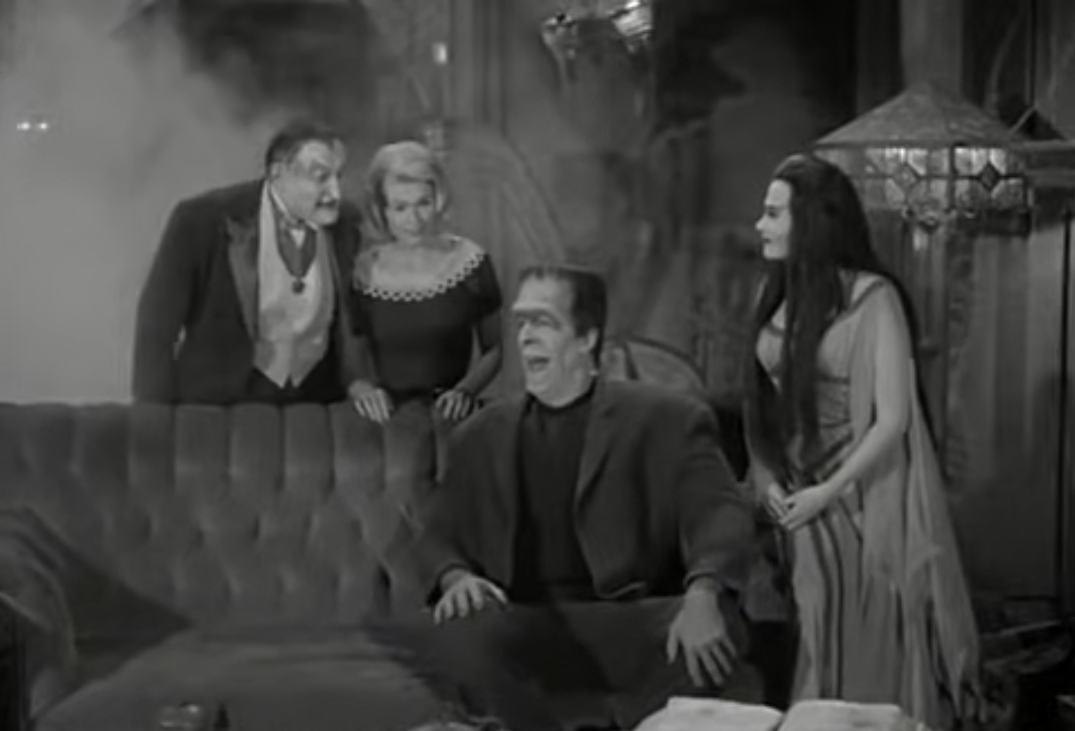 In Jewish tradition, shalom bayit—peace within the home—is a deeply cherished value. Herman treats his household almost as a sanctuary, held together by loyalty, affection, patience, and forgiveness.
Lily: A Proverbs 31 Wife
Herman’s devotion to Lily is matched by Lily’s devotion to her husband and household. She resembles the eshet chayil (אֵשֶׁת חַיִל)—the “woman of valor” described in Proverbs 31.
Lily is loving without being weak. She is intelligent, capable, practical, and usually the calmest person in the house. Herman trusts her judgment because she repeatedly demonstrates wisdom. When his enthusiasm carries him into trouble, Lily steadies him without humiliating him.
Like the Proverbs 31 woman, Lily watches over her household, speaks with wisdom, and strengthens her family. She manages the competing personalities of Herman, Grandpa, Eddie, and Marilyn while preserving the unity of their home. She also ventures beyond the household when circumstances require it, demonstrating initiative and resourcefulness.
Her strength does not diminish Herman. It helps him become a better husband and father. Likewise, Herman does not feel threatened by Lily’s competence. He admires her, listens to her, and openly values her as his partner.
This makes their marriage another reversal of appearances. Lily looks like the bride of a horror story, yet she functions as a woman of valor. Together, she and Herman create the shalom bayit that holds the Munster family together.
Honoring the Generations
The Munster household is multigenerational. Despite frequent comic disagreements with Grandpa, Herman keeps the extended family united. They may argue and irritate one another, but no one is cast aside.
Peace does not require the absence of disagreement. It means that love and loyalty remain stronger than disagreement.
L’Dor V’Dor: From Generation to Generation
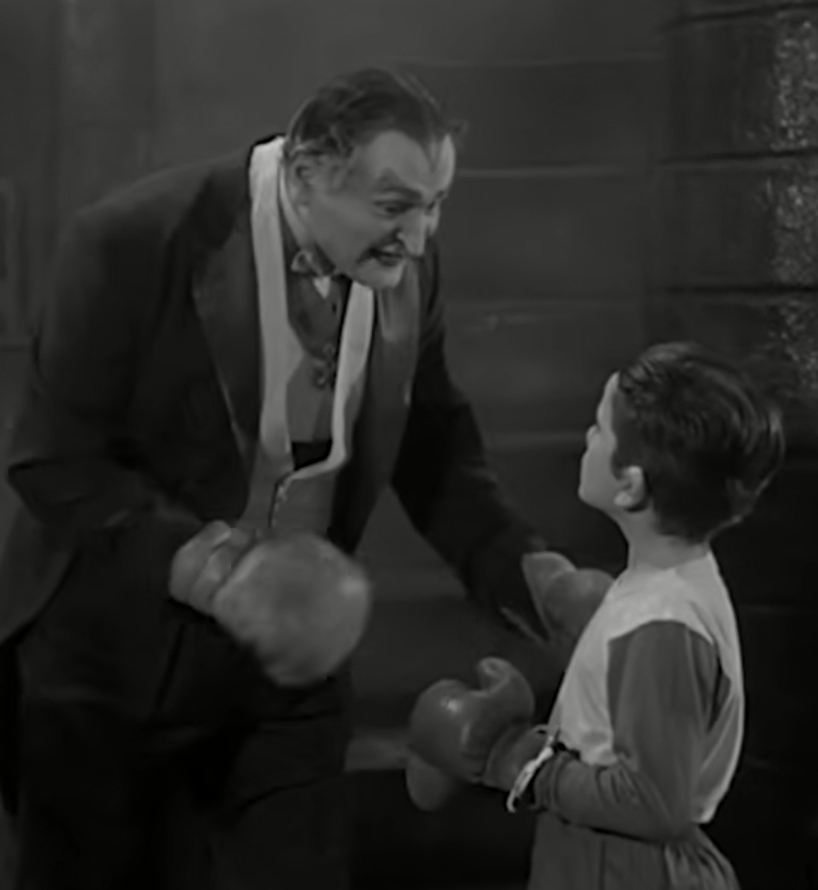 The Jewish principle of l’dor v’dor—“from generation to generation”—expresses the responsibility to transmit identity, wisdom, faith, and moral character to one’s children.
Herman does more than provide for Eddie. He devotes himself to forming his son’s character. He corrects Eddie with love, comforts him when he is hurt, and teaches him how to live honorably in a world that may judge him by his appearance.
Teaching Mitzvot
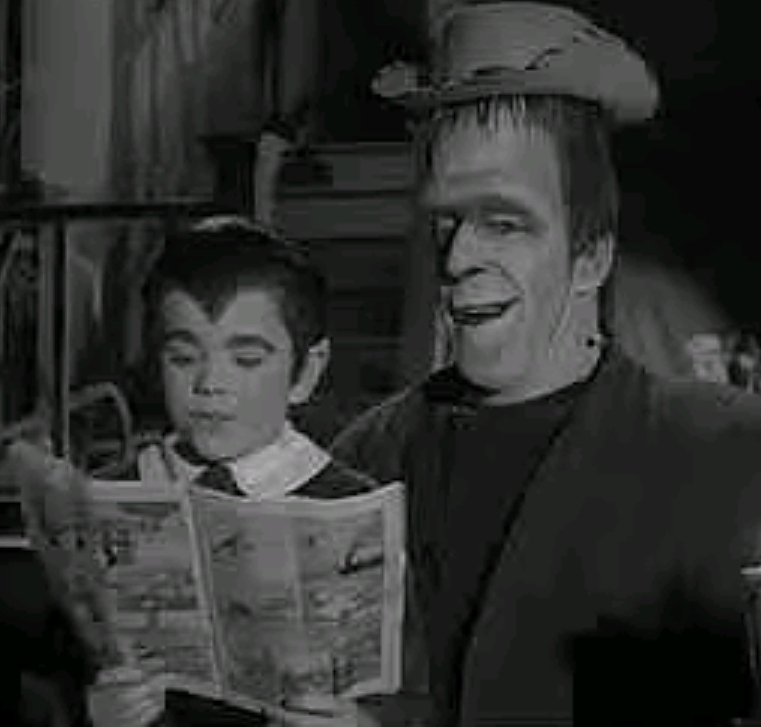 The program does not portray Herman formally teaching Jewish commandments. Nevertheless, his lessons lead Eddie toward values expressed through mitzvot: kindness, honesty, loyalty, humility, respect, and concern for others.
His teaching is practical. He demonstrates goodness by loving Lily, honoring his family, welcoming outsiders, and forgiving those who misunderstand him.
Herman’s purpose as a father is not to make Eddie popular, powerful, or outwardly successful. It is to help him become a mensch—a person of integrity, kindness, responsibility, and honor.
His concern is not simply what Eddie will accomplish, but what kind of person Eddie will become. In one memorable lesson, Herman teaches him that physical characteristics do not determine a person’s worth. What matters is the size of the heart and the strength of one’s character.
Gratitude for His Maker and His Parts
Scene from the episode; “Will Success Spoil Herman Munster”
God is first revealed in Scripture as Creator. He brings order from disorder, forms life, and gives purpose to what He has made.
The “Dry Bones” song reaches back to Ezekiel 37, where scattered bones are brought together and given new life through the word and breath of God. Herman humorously riffs on that biblical imagery by singing about his own beginnings. He is also a collection of separate parts assembled by a maker, although his maker is Dr. Frankenstein.
The contrast with the traditional Frankenstein story is important. Frankenstein’s creature is tormented by his origins and estranged from his creator. Herman’s gratitude reverses the traditional story of Frankenstein’s monster. He does not despise the different pieces from which he was formed. He accepts them as gifts and proudly describes himself as a “gentleman of parts.”
What could have produced resentment instead inspires gratitude. Herman accepts what he has been given and finds joy within it. He receives life with thankfulness rather than entitlement.
The Wonder of a Child
Herman approaches the world with unspoiled wonder. He is easily amazed by toys, stars, machines, hobbies, and ordinary discoveries. He plays with an enthusiasm that many adults have lost.
His behavior can be foolish, and he occasionally reacts with childish frustration, but he lacks cynicism, greed, and hidden motives. His emotions are transparent, and he does not hide behind a social mask.
Herman assumes that other people are fundamentally good. This innocence sometimes makes him vulnerable, but it preserves his openness to wonder, trust, gratitude, and delight.
Radical Acceptance
The Munsters welcome relatives, neighbors, strangers, and fellow outcasts without prejudice. They extend kindness even though they are frequently feared and misunderstood.
Herman does not divide people according to appearance, status, race, or social standing. Because he is unaware of his own frightening appearance, he is largely free from society’s assumptions about who is attractive, respectable, or acceptable.
He simply sees people as people and gives others the acceptance the outside world often denies him.
When the Black Sheep Is a Beautiful Blonde
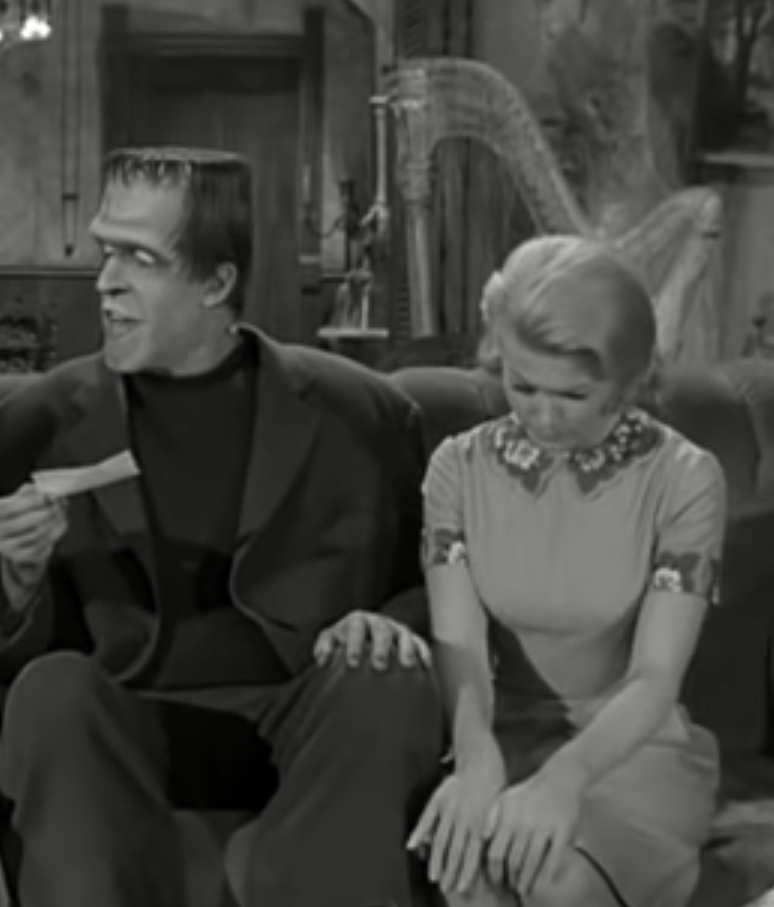
When the Black Sheep Is a Beautiful Blonde
Perhaps the show’s cleverest inversion is Marilyn. She is an intelligent college student and, by conventional American standards, a beautiful, perfectly normal young woman. Inside the Munster household, however, she is regarded as the family’s unfortunate black sheep.
The family worries tenderly about Marilyn’s appearance, never realizing that she is the one who resembles everyone outside their home. Yet they never reject her. They love her completely and consider her unquestionably one of their own.
Marilyn may attend college, but she receives another kind of education at 1313 Mockingbird Lane. The culturally conventional character learns loyalty, acceptance, and moral character from the people society considers monsters. She learns that belonging does not require resemblance and that a loving home is defined by the values practiced within it.
The student is taught by the outsiders. Once again, the expected order is reversed.
The Inversion at the Heart of the Comedy
The central joke of The Munsters is also its moral lesson.
Herman looks like a monster, but he is gentle, loving, humble, and pure-hearted. The ordinary people around him may look respectable, yet they often respond with fear, suspicion, and prejudice.
The series asks us to reconsider what makes someone monstrous. Is it the person whose appearance frightens us, or the person whose heart cannot welcome someone different?
Herman’s outward appearance and inner character are opposites. Those who appear respectable may lack compassion, while the person who appears monstrous may possess the greatest humanity.
Epilogue:
Where Do We First See Inversion Produce Laughter?
Genesis offers a remarkable answer. God promises that the elderly Sarah will bear a son. The announcement appears so contrary to nature that Sarah laughs. Yet the impossible becomes possible, and her doubtful laughter is transformed into joyful laughter.
The child is named Yitzchak—יִצְחָק—“he will laugh.”
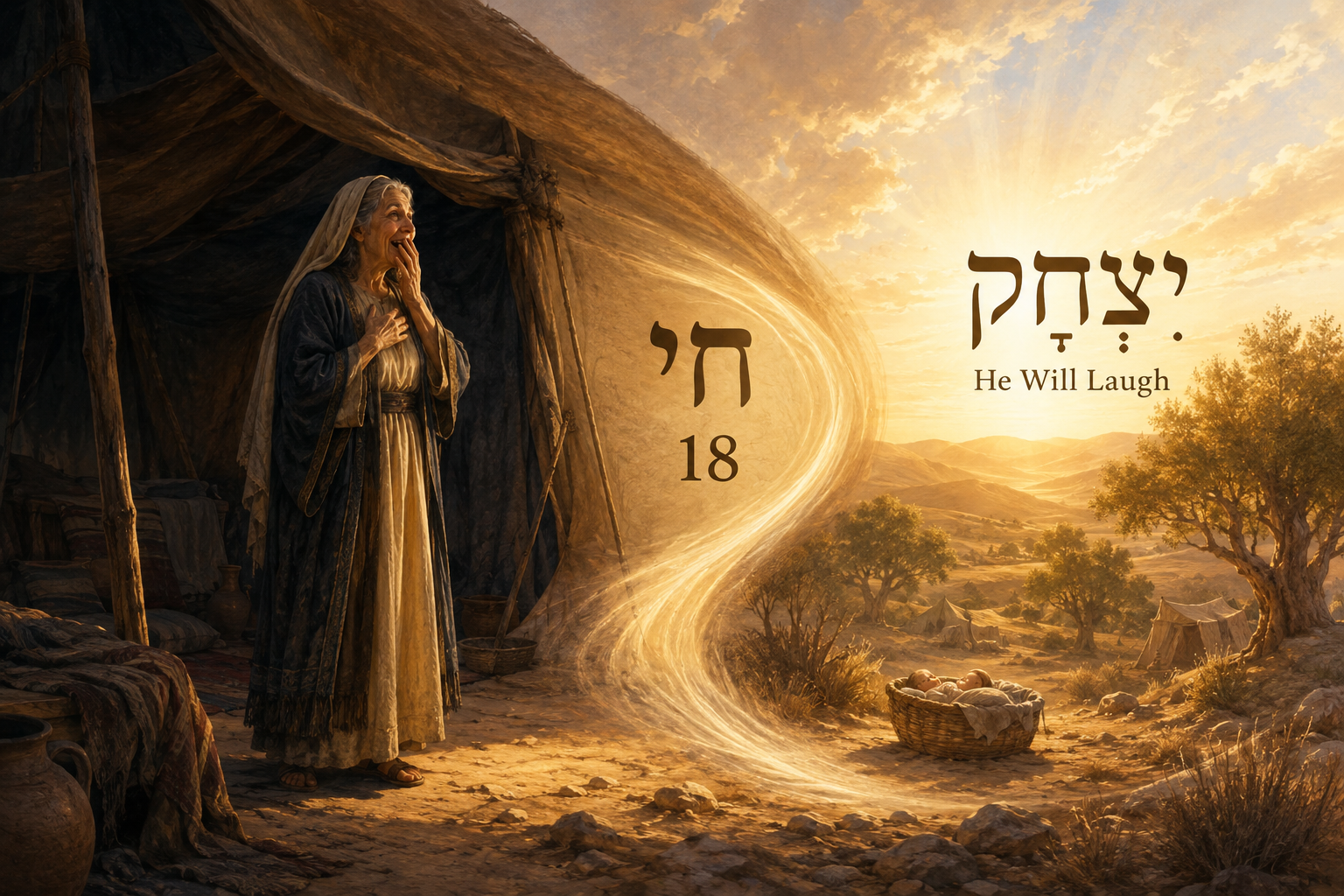
An inversion is a surprise, and surprise is often what releases laughter. We expect one outcome, but the story turns in another direction. The frightening monster proves gentle. The normal neighbors reveal their prejudice. The beautiful blonde becomes the family’s black sheep. What we thought we understood is overturned.
I explored this relationship between surprise, reversal, identity, and the soul more fully in an earlier post, “Laughter Is the Language of the Soul.”