Abraham’s divided branches and the deeper possibility behind the Abraham Accords
The Bible is, among other things, a long family story—a story of lineage, inheritance, promises, and disputes. And as everyone knows, families are complicated.
Some excellent family and estate lawyers are Jewish. Perhaps we have had a particularly long apprenticeship.
God did tell us to pursue justice (Deuteronomy 16:20). The Torah establishes laws governing family life, property, and inheritance, while the Talmud preserves generations of cases, interpretations, and arguments. We have spent a long time considering what people owe one another.
Perhaps that experience can also help us consider how a divided family comes back together.
Arab Identity Predates Islam
Arab and Muslim are not interchangeable identities. Arabs have a cultural identity expressed through language, literature, food, music, and heritage. Arab peoples existed more than a millennium before Islam emerged in the seventh century CE. Arab Christians are part of that living heritage, and Christianity’s presence among Arab communities also predates Islam. Religion matters deeply to many Arabs, but it does not encompass the whole of Arab identity.
This distinction is essential to my argument. God’s promise to Ishmael concerns a great people, not the founding of a religion. Ishmael is traditionally associated with particular Arab lineages, although that does not establish every modern Arab’s ancestry.
The reunion I envision is between peoples—not a merger of religions. Jewish and Arab communities can recognize their shared Abrahamic heritage while retaining their different beliefs.
The biblical family connection supplies the background; today’s cultural communities and nations provide the practical framework. Governments, businesses, and civic institutions can build relationships through trade, security, and cultural exchange. The reunion need not reconstruct ancient tribes. It can begin with the peoples who exist today, recognizing shared roots while respecting their distinct identities.
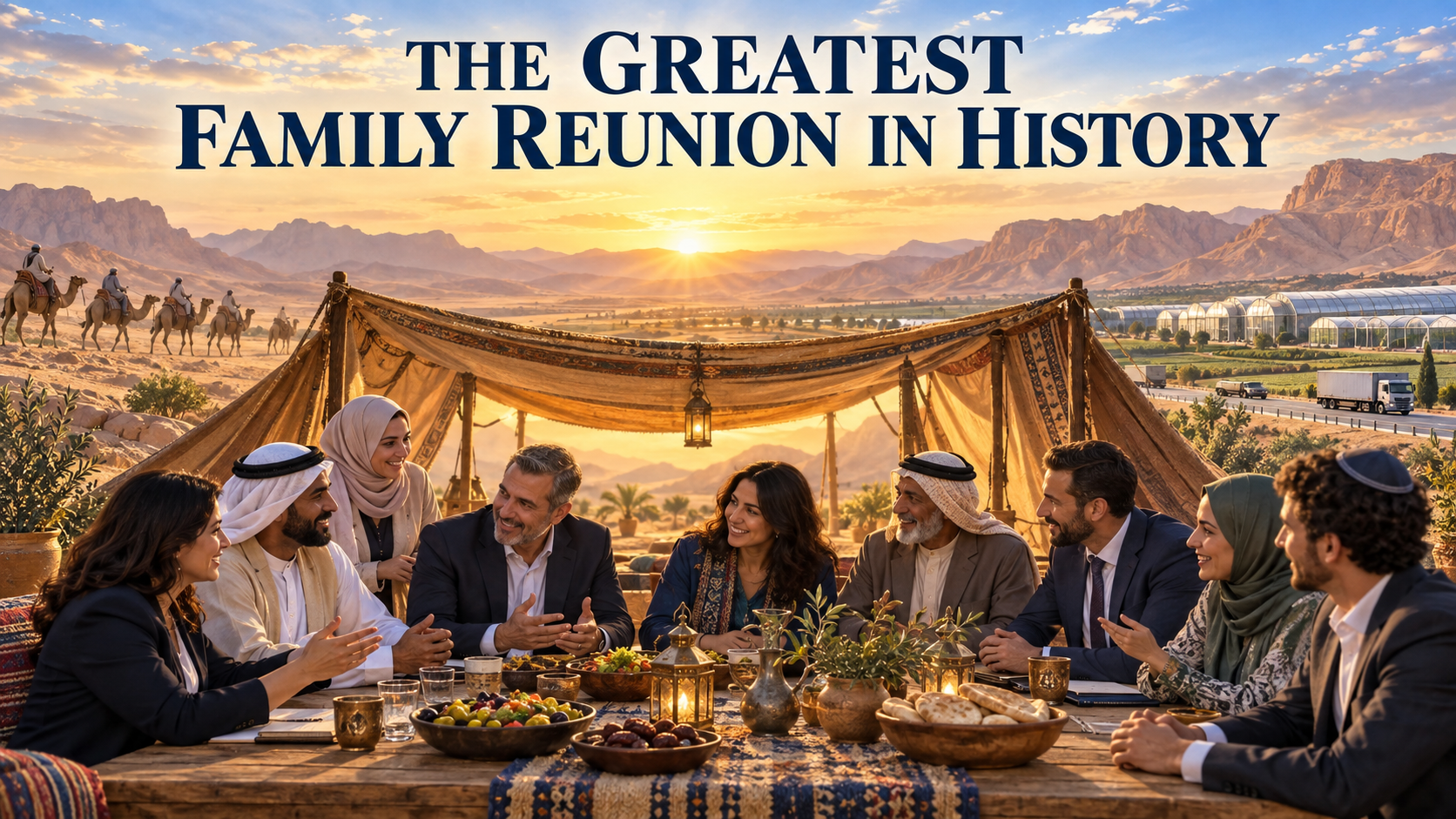
My theory is that the Abraham Accords may serve a deeper divine purpose: bringing Abraham’s divided branches back into a peaceful family relationship. Ishmael’s descendants need not replace Jacob’s, and Israel need not surrender its covenant calling. Each can flourish in its own identity while building a shared future. Perhaps the diplomats are negotiating agreements that could open the door to the greatest family reunion in history.
A Complicated Inheritance
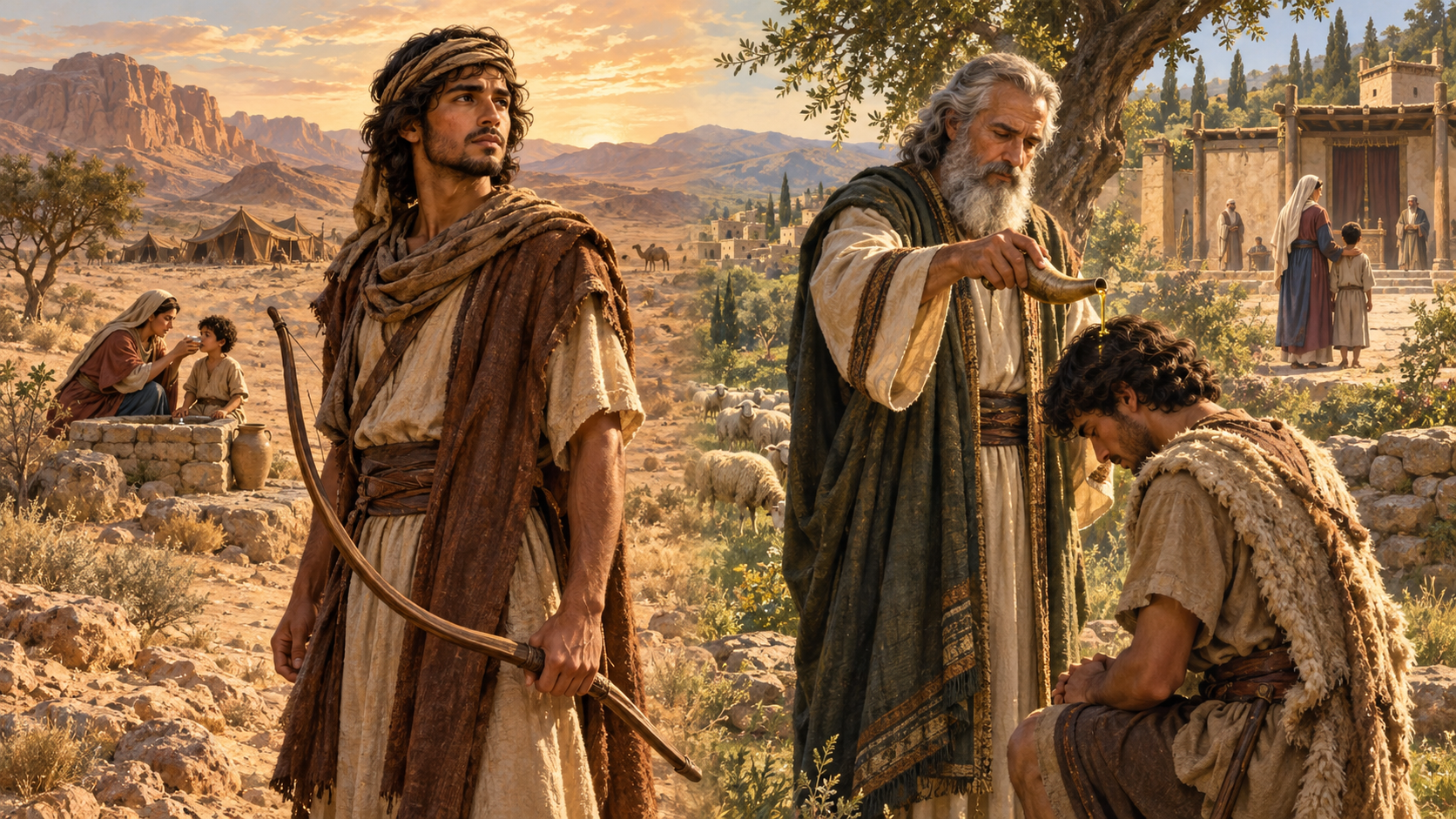
Our story begins with a family divided. Hagar and Ishmael leave Abraham’s household, while Isaac remains (Genesis 21:14). Yet God’s promise accompanies the departing son: Ishmael, too, will become a great nation. The branches take different paths, but both remain part of Abraham’s family. That separation is the starting point for the reunion I am considering.
Abraham left his principal inheritance to Isaac (Genesis 25:5). Anyone who has witnessed a family argument over a will can appreciate the sensitivity.
Genesis does not attribute centuries of later conflict to that decision. But the story contains familiar ingredients: different mothers, competing expectations, separation, and an unequal inheritance.
There was also a distinction that went beyond property. God blessed Ishmael, promising to multiply his descendants and make him a great nation. Then He specified that His covenant would be established with Isaac (Genesis 17:20–21).
Ishmael received a blessing. Isaac received the covenant.
Those promises gave the branches different places in the story. Did they require the family to remain divided forever?
Let’s Not Relitigate the Family Disputes
We could spend considerable time debating who bears responsibility for these family divisions. God told Abraham to listen to Sarah concerning Ishmael. Later, Rebekah helped Jacob obtain the blessing Isaac intended for Esau. These are complicated stories involving human decisions and divine purposes. But let’s not turn the reunion into another inheritance hearing. The question here is whether the family can build a better future together.
Two Families of Twelve
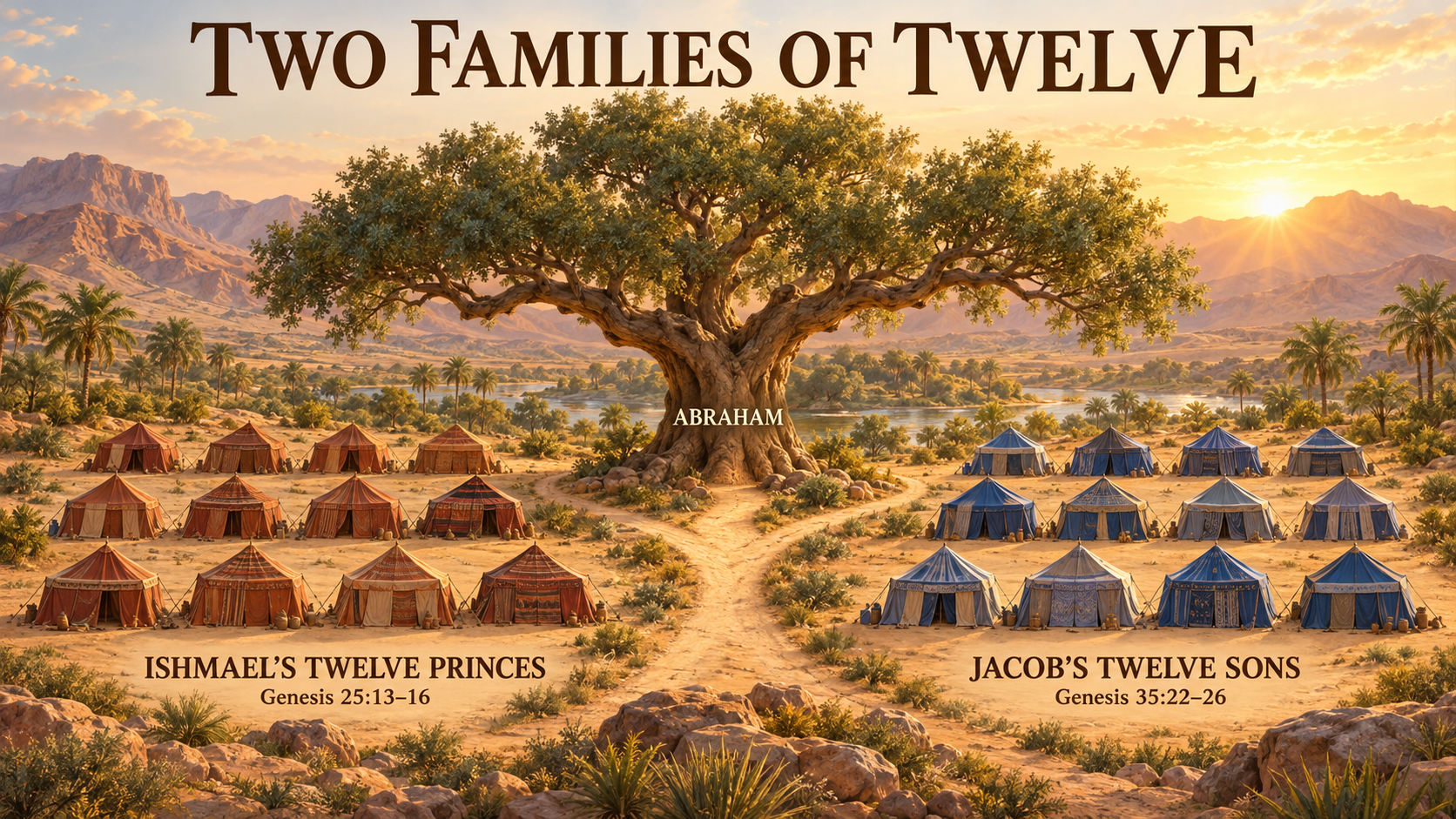 My curiosity began with God’s promise to Hagar in Genesis 21:18: Ishmael would become a great nation.
Genesis itself names Ishmael’s twelve sons and describes them as princes with settlements and encampments (Genesis 25:13–16). The promise was already taking shape.
Jacob would also have twelve sons, the fathers of Israel’s tribes.
Two branches of Abraham’s family, each organized around twelve.
Scripture does not explain those matching numbers as a prediction of reunion. But the parallel prompted my question: could these two branches recover their family relationship?
The Brothers Did Reunite
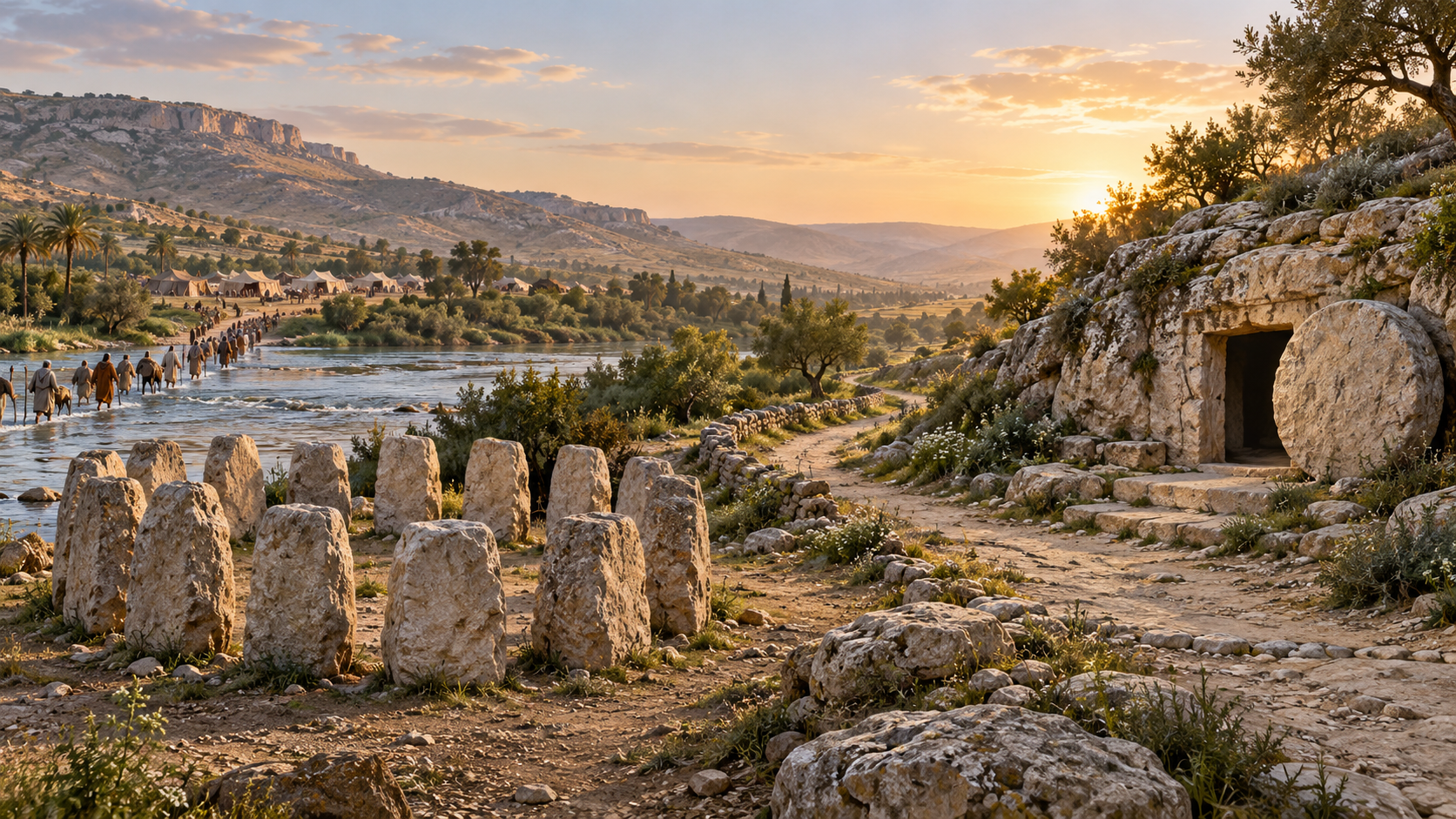
When Abraham died, Isaac and Ishmael buried him together (Genesis 25:9).
This scene deserves more than a passing mention. The sons whose lives had taken different paths came together to honor their shared father. We are not told what they said or how completely their relationship had healed. Yet separation had not extinguished their connection to Abraham—or prevented them from standing together.
Their gathering did not erase the distinction between Ishmael’s blessing and Isaac’s covenant. Their different places in God’s promises could coexist with a shared family relationship. That is the biblical picture at the heart of my proposal.
I was encouraged to discover that Rabbi Lord Jonathan Sacks, of blessed memory, saw a hope for reconciliation in that scene. Drawing on Genesis and rabbinic traditions, he described the family’s estrangement as part of a story that also contained reunion. He saw grounds for future friendship between Jewish and Muslim communities. “On Judaism and Islam”
My observation about the two families of twelve is my own. But its underlying hope finds company in his reading.
Kinship did not guarantee peace in biblical history. Israel’s extended relatives included both adversaries and friends. Neither did ancestry make hostility inevitable.
Perhaps the greatest family reunion in history would be an enlargement of a reunion that already happened.
More Than an Agreement Between Governments
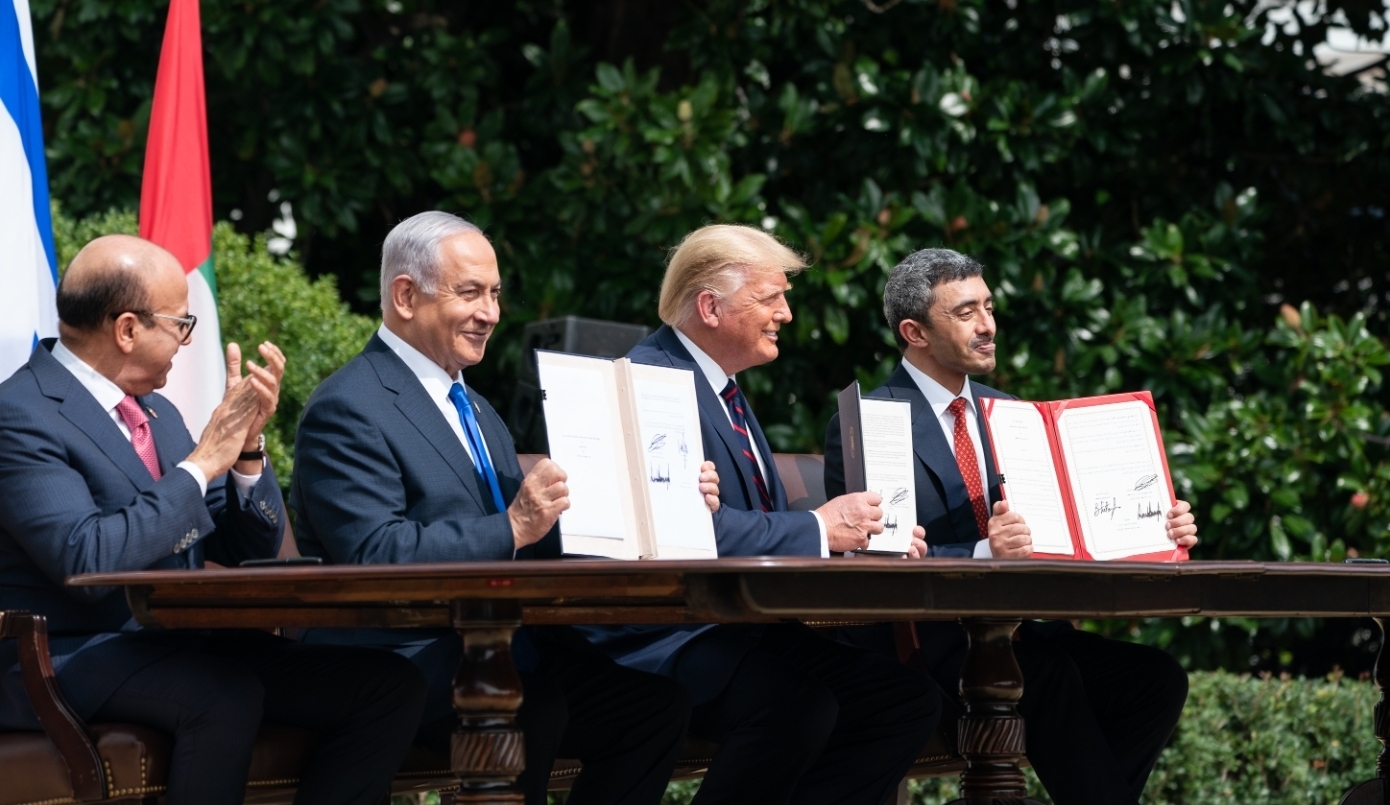
That brings me to the Abraham Accords.
My theory is that the diplomatic work associated with Jared Kushner and Steve Witkoff may serve a deeper purpose than its negotiators themselves envision. They work toward agreements between governments. I wonder whether God may also be opening a door to reconciliation between Abraham’s divided branches.
Netanyahu has already used that family language. At the September 2020 signing, he invoked hope for Abraham’s children and emphasized that Israelis, Emiratis, and Bahrainis were beginning to embrace one another as peoples. “Official ceremony transcript.”
Rabbi Yehuda Sarna offered an even closer interpretation following the signing. He described the separate tents of Isaac and Ishmael and the reopening of Abraham’s tent. He understood the diplomacy as an expression of a larger spiritual process and observers’ response as a family reunion. “A new Jewish year and a new Mideast era.”
These observations do not establish a particular prophecy. They do show that the name “Abraham” carries meaning beyond diplomatic branding.
Trade Can Help Sustain the Reunion
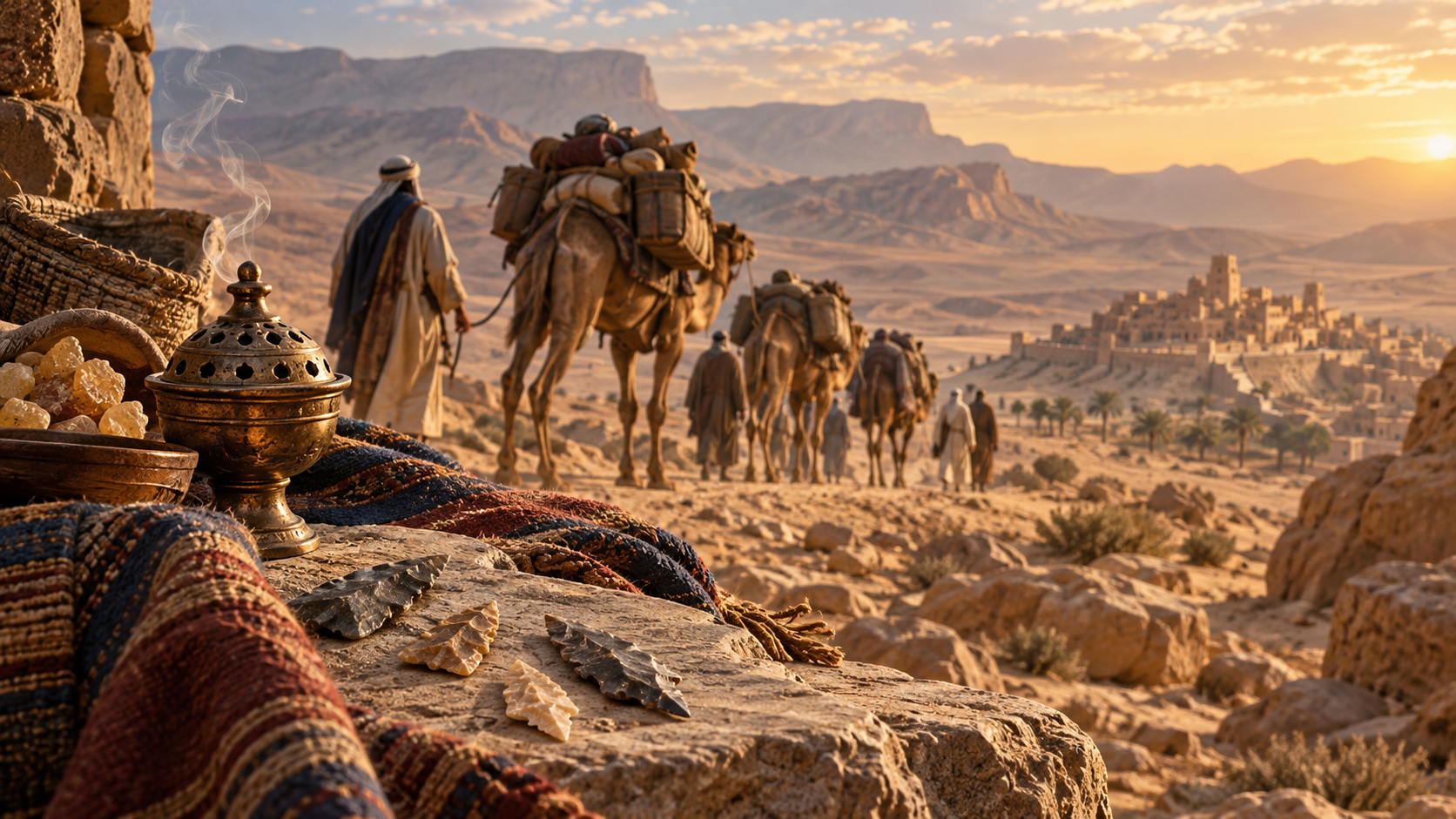
The trading history of peoples associated with Ishmael makes commerce a fitting foundation.
Joseph’s story brings these trading networks directly into Jacob’s family history. Genesis 37:25 describes an Ishmaelite caravan carrying aromatic goods toward Egypt. The betrayal came from Joseph’s own brothers; the caravan supplied the commercial route by which he reached Egypt. Years later, Joseph’s position there enabled him to preserve his family during famine. Trade is therefore woven into this larger story of family division, providence, and eventual reconciliation.
Ezekiel also describes Arabia and Kedar’s princes trading livestock with Tyre (Ezekiel 27:21). Kedar is named among Ishmael’s sons (Genesis 25:13).
The ancient connections are real, even though they do not establish every modern Arab’s genealogy.
Trade gives reconciliation practical roots. Shared investment creates jobs. Travel creates encounters. Cooperation in agriculture, water, medicine, and technology gives neighbors something valuable to build and preserve together.
Emirati leaders have explicitly supported that approach. Anwar Gargash described the Accords as breaking down psychological barriers and advocated economic investment as a means of changing the region. “Gargash’s remarks”
Diplomatic recognition can begin a relationship. Shared prosperity can help sustain it.
Strength in the Service of Peace
Genesis also describes Ishmael as an archer (Genesis 21:20). Isaiah later mentions Kedar’s archers (Isaiah 21:17).
The Bible does not appoint Ishmael’s descendants to protect Israel. But the bow invites another possibility: strength can defend the peace that commerce helps build.
Before the Accords were signed, UAE ambassador Yousef Al Otaiba proposed closer security cooperation with Israel against common threats, alongside expanded economic and technological partnerships.
Could former adversaries become partners in protecting a shared future? In that picture, the bow becomes an image of strength placed in the service of peace.
Then Came the Arrowheads
One archaeological detail stopped me: arrowheads.
In February 2025, archaeologists announced discoveries from a roughly 2,500-year-old burial complex in the Negev. Arabian-style arrowheads and other objects suggested connections with ancient caravan networks reaching into southern Arabia. “Discovery report”
I had already been considering Ishmael’s bow and the trading history of peoples associated with his descendants. Here were those two themes together in an archaeological setting.
The finds do not identify their owners as Ishmaelites or prove my theory. But they gave me another reason to pause.
The desert had connected these regions through trade long before modern borders. Perhaps it can help connect their peoples again.
Identity Without Replacement
Arab peoples have their own heritage and achievements to honor. Reconciliation offers each branch an opportunity to flourish while respecting the other’s place in the family story.
The Muslim leaders participating in the Accords demonstrate that peace with Israel can coexist with their faith. Their cooperation challenges movements that make rejection of Israel central to their political or religious vision.
The important question is what future leaders choose for their peoples: continued hostility or the opportunities of cooperation.
A family reunion does not require everyone to become alike. It requires room for each branch to exist.
Paran: A Meeting Place Worth Considering
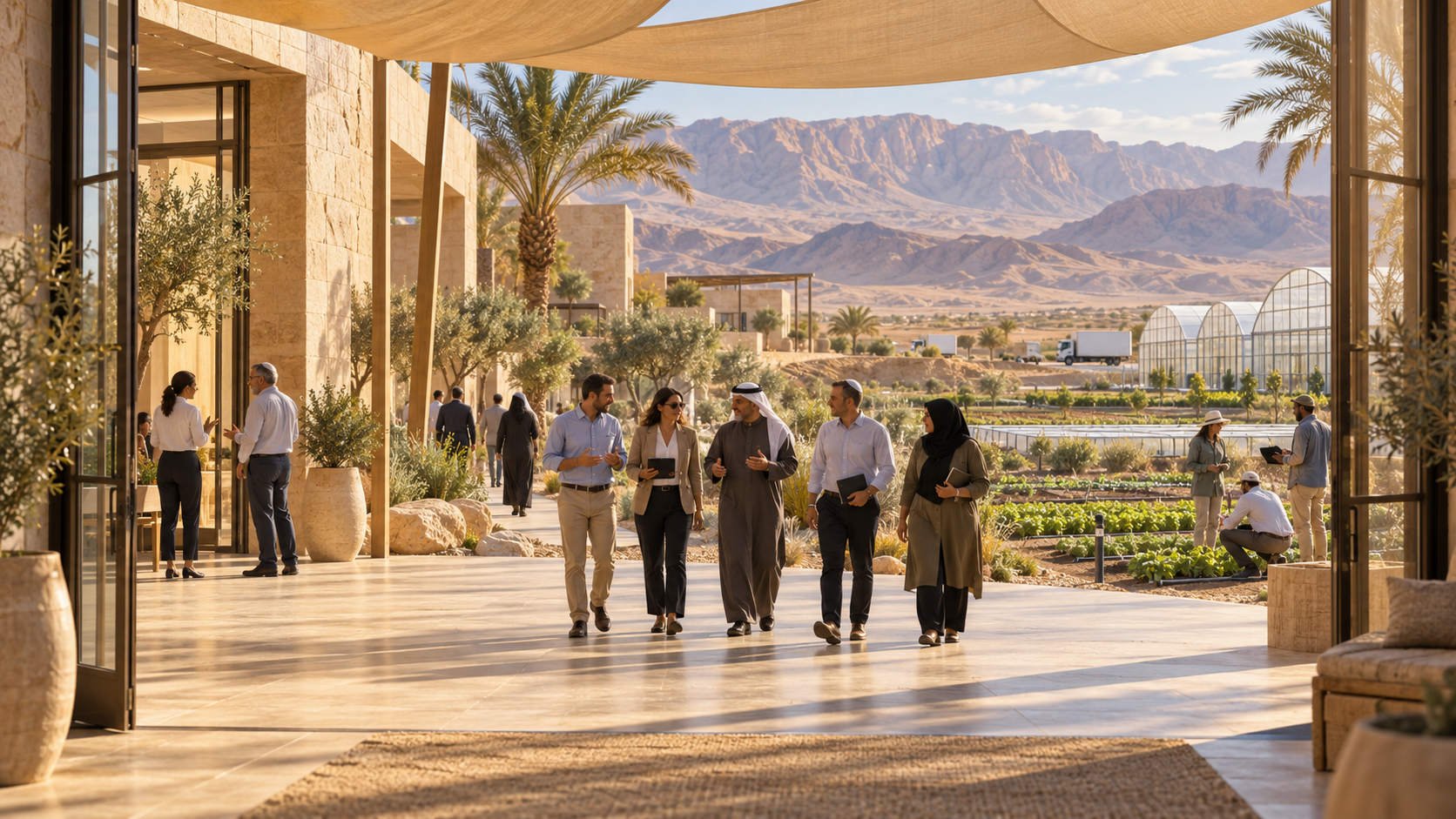
I would put another possibility on the table: an Abraham Accords cooperation center at modern Paran, in Israel’s Arava.
Biblical Paran appears in both Ishmael’s life and Israel’s wilderness journey (Genesis 21:21; Numbers 10:12). From Paran, Moses sent twelve men to explore the promised land (Numbers 13:3).
The ancient region’s boundaries are debated. Modern Paran cannot confidently be identified as Ishmael’s exact home. Nevertheless, its name carries a meaningful connection between the stories.
Israeli and Arab partners could gather there around desert agriculture, water technology, food security, and trade. An educational center could explore their shared heritage while respecting their distinct identities.
Regional gatherings already have a precedent. The 2022 Negev Summit brought Israel, Arab partners, and the United States together at Sde Boker. Subsequent Negev Forum meetings addressed many of these same practical subjects. “Negev Forum framework”
Paran is my proposal for consideration. Its feasibility would depend on local participation, infrastructure, investment, and regional agreements.
A family reunion deserves a meeting place. Perhaps Paran could become one.
A Place for Persia
A peaceful future Iranian government could also support this gathering.
Persia belongs in the picture through a different biblical relationship. In the book of Ezra, Persian rulers helped the Jewish people return, rebuild, and restore their communal and religious life. Cyrus authorized the return; Darius upheld the rebuilding; Artaxerxes later commissioned and supplied Ezra (Ezra 1; 6; 7).
A future Iranian leadership could draw inspiration from that legacy and become a partner in regional restoration.
That outcome would depend on its policies and the course of any political transition. It is a hope, not an assured consequence of the revolutionary regime’s weakening.
But the door could remain open. As Abraham’s branches pursue reconciliation, Persia could again help them build.
The Greatest Family Reunion
The Bible’s long family story contains separation, rivalry, inheritance disputes, and unexpected reconciliation. Bringing the family back together is about as biblical as it gets.
That is the hope I see in the Abraham Accords.
Isaac and Ishmael once stood together beside Abraham. Their joint burial of Abraham supplied a picture of reunion. Modern diplomacy offers a practical opportunity.
Perhaps the Abraham Accords are opening a door to something larger than their negotiators envision. Commerce can create shared prosperity. Cooperation can protect it. A meeting place can turn recognition into relationships.
Perhaps God is working through these efforts to bring Abraham’s divided branches back together—each retaining its identity and its distinct place in the story.
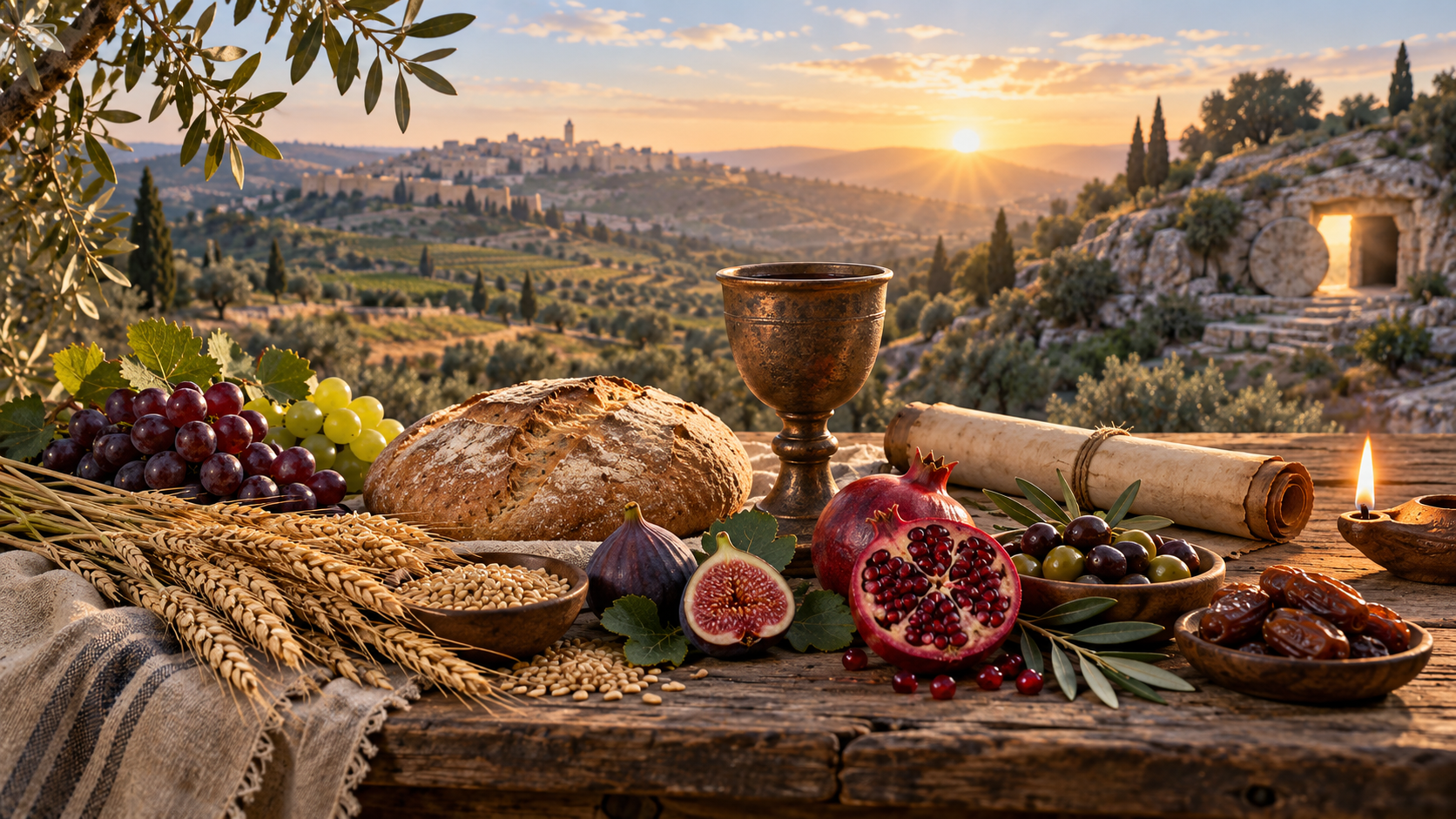
What a family reunion that would be. The food would be amazing!
Epilogue: A Place in the Biblical Hope

There is one final connection worth considering.
Isaiah’s vision of restored Zion includes the flocks of Kedar and the rams of Nebaioth being accepted on God’s altar (Isaiah 60:7). Both names appear among Ishmael’s sons (Genesis 25:13).
The image is striking: peoples associated with Ishmael are welcomed into a vision of Zion’s restoration. Here, the family connection reaches beyond shared ancestry toward shared worship.
Revelation offers another image of restoration: the tree of life bearing fruit beside the river, its leaves serving the healing of the nations (Revelation 22:2). That healing is the larger hope toward which this reflection points.
The Abraham Accords cannot themselves fulfill everything these visions contain. Yet these passages give my hope a biblical horizon. Perhaps cooperation between these peoples can help nurture relationships no longer governed by hostility.
Jewish tradition makes reconciliation part of the work of atonement. Yom Kippur does not atone for wrongs against another person until we seek to make things right with that person (Mishnah Yoma 8:9). Yeshua likewise teaches reconciliation with one’s brother before bringing an offering (Matthew 5:23–24). These teachings address personal responsibility, but they also illuminate the hope expressed here: seeking peace within the human family can itself be part of turning toward God.
Forces that nourish hatred and division have something to lose. Scripture warns that unresolved anger can give the devil an opportunity and contrasts destructive envy with the righteous fruit of peacemaking (Ephesians 4:26–27; James 3:14–18). Making peace closes an opening that hostility leaves exposed.
The family reunion may begin with commerce and diplomacy. The biblical hope reaches further—to reconciliation before God.