In Psalm 119:89, the psalmist declares:
לְעוֹלָם יְהוָה– דְּבָרְךָ, נִצָּב בַּשָּׁמָיִם
“Forever, O LORD, Thy word standeth fast in heaven.”
This verse, which opens the letter לְ Lamedh stanzas, uses the Hebrew word l’olam (לְעוֹלָם), which means ‘eternity’ to affirm that God’s word is permanently fixed in the heavens, unshaken by time or circumstance. l’olam (לְעוֹלָם) underscores the enduring, unchanging nature of God’s word and covenant.
The same word reappears in other key verses of the psalm, each highlighting a different facet of divine eternity:
Verse 93: “I will never forget Your precepts, for by them You have revived me.” Here, l’olam (implicit in the promise to never forget) expresses the psalmist’s permanent commitment to God’s teachings.
Verse 111: “I have taken Your testimonies as a heritage forever (לְעוֹלָם), for they are the joy of my heart.” The inheritance of God’s testimonies is portrayed as an everlasting possession.
Verse 160: “The sum of Your word is truth; and every one of Your righteous ordinances endures forever (לְעוֹלָם).” This concluding affirmation ties the entirety of Scripture to perpetual truth and justice.
Throughout the psalm, the recurring use of l’olam reinforces the central theme that God’s word, commands, and promises are not temporary or situational, but eternally reliable—a foundation for faith, worship, and hope that transcends all generations.
Pslam 119 is an alphabetic acrostic in Hebrew. It has 22 sections (stanzas), one for each letter of the Hebrew alphabet, from Aleph to Tav; from the beginning to the end. Each section contains 8 verses, and in Hebrew every verse in a given section begins with the same letter (all Aleph, then all Bet, etc.), giving 176 verses total (22 × 8).
The word לְעוֹלָם (l’olam) has a value of 176. Breaking it down by letter:
ל (Lamed) = 30
ע (Ayin) = 70
ו (Vav) = 6
ל (Lamed) = 30
ם (Mem sofit) = 40
Sum: [30 + 70 + 6 + 30 + 40 = 176].
That 176 is, of course, the same as the total number of verses in Psalm 119, which invites all kinds of thematic and structural reflection on “forever” being numerically woven into the psalm’s length. Psalm 119 is the longest chapter in the bible.
Torah scholars draw a connection between Psalm 119 and the the longest Torah portion, Parshat Naso. Parshat Naso (Numbers 4:21–7:89) is the longest parashah in the Torah, containing 176 verses. The longest tractate of the Talmud, Bava Batra, likewise has 176 pages.
There is much that can be said of all three, Psalm 119, Parshat Naso and Talmud tractate Bava Batra, but I want to come back to the word we started with, l’olam (לְעוֹלָם), eternity.
Every Hebrew word has a core. The core of l’olam (לְעוֹלָם) is the noun olam (עוֹלָם), which comes from the root עָלַם (ʿalam), meaning “hidden, concealed, beyond the horizon.”
The Core root ע־ל־ם (ʿ‑l‑m), “to hide, conceal, be obscured.” literally carries the idea of what is out of view, like a vanishing point where sight fails. By extension, olam means eternity / forever—that which is hidden / beyond our horizon temporally and cosmically.
The prefixed לְ (le‑) is the inseparable preposition “to / for / toward.” (For Ever). In the King James Bible, the word the Hebrew word לְעוֹלָם (l’olam) in Psalm 119:89 is translated “For ever”.
Doing the Math
The concept of “for ever” carries a movement or orientation toward that hidden, eternal realm—into that which we cannot yet see.
Faith is “the assurance of things hoped for, the conviction of things not seen” (Heb 11:1).
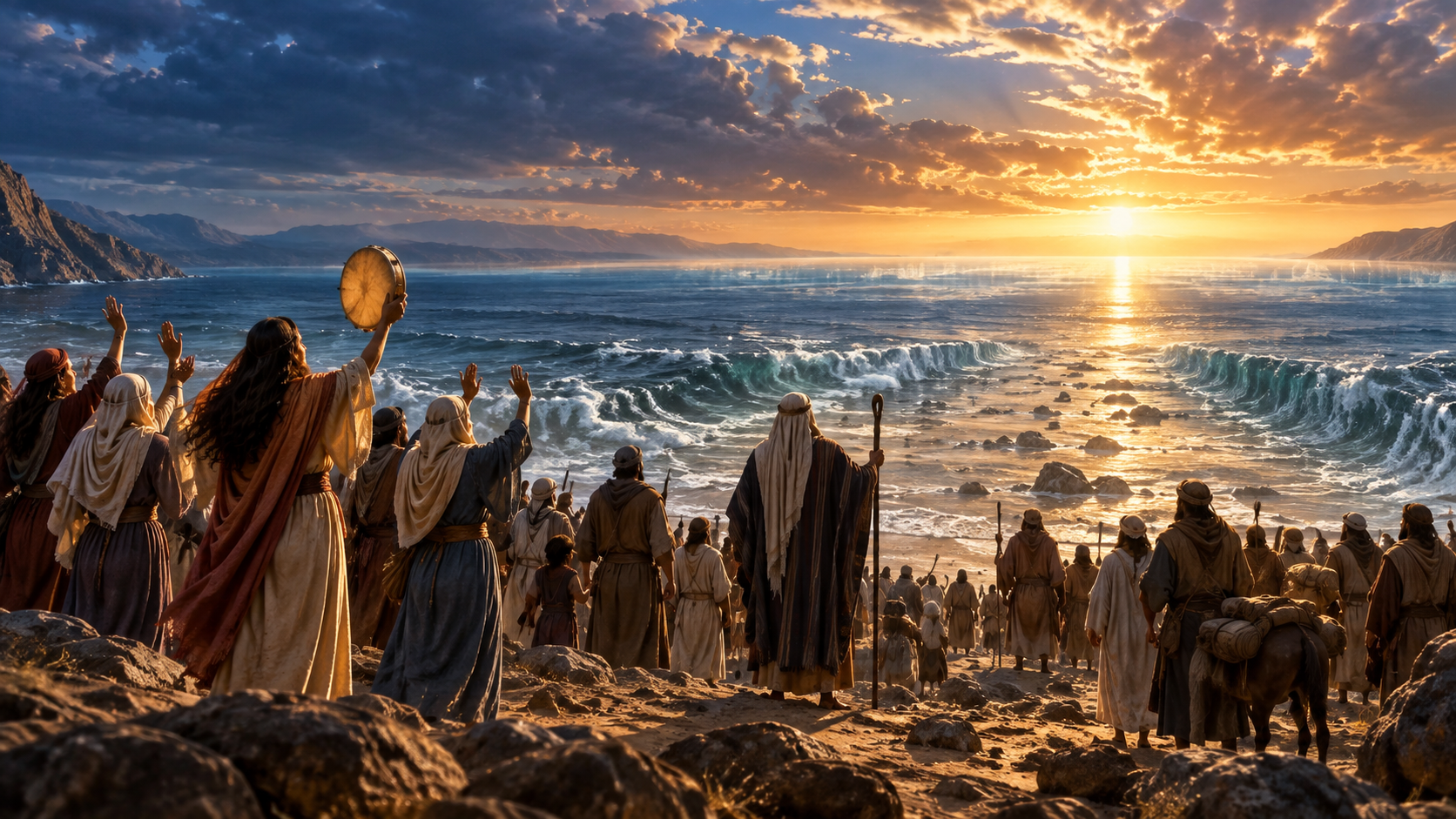
The “believer’s” life is oriented toward realities beyond current sight. Abraham is called to go “to the land that I will show you” (Gen 12:1), walking toward a promise he cannot yet see; Israel journeys from Egypt toward an unseen promised land.
Biblical hope is not just for endless time, but for a new age —“the age to come,” where what is now concealed (God’s face, full glory) is revealed.
In 1 Corinthians 13:12 Paul contrasts present partial sight with future clarity: “For now we see only a reflection as in a mirror; then we shall see face to face.”
In Exodus 33:20 God tells Moses explicitly, “you cannot see my face, for man shall not see me and live”. So I find it interesting that the gematria value for the Hebrew word for “his face” (פָּנָיו – panav) and “hidden” (עָלַם -olam) are the same. They both have a gematria value of 146.
I also find it interesting to get from 146 (face/hidden) to 176 (eternity) we add 30, לְ Lamedh. The letter לְ Lamedh is a shepherd’s staff.
You can read more about the לְ Lamedh letter on my blog.
Lord make his face shine on you
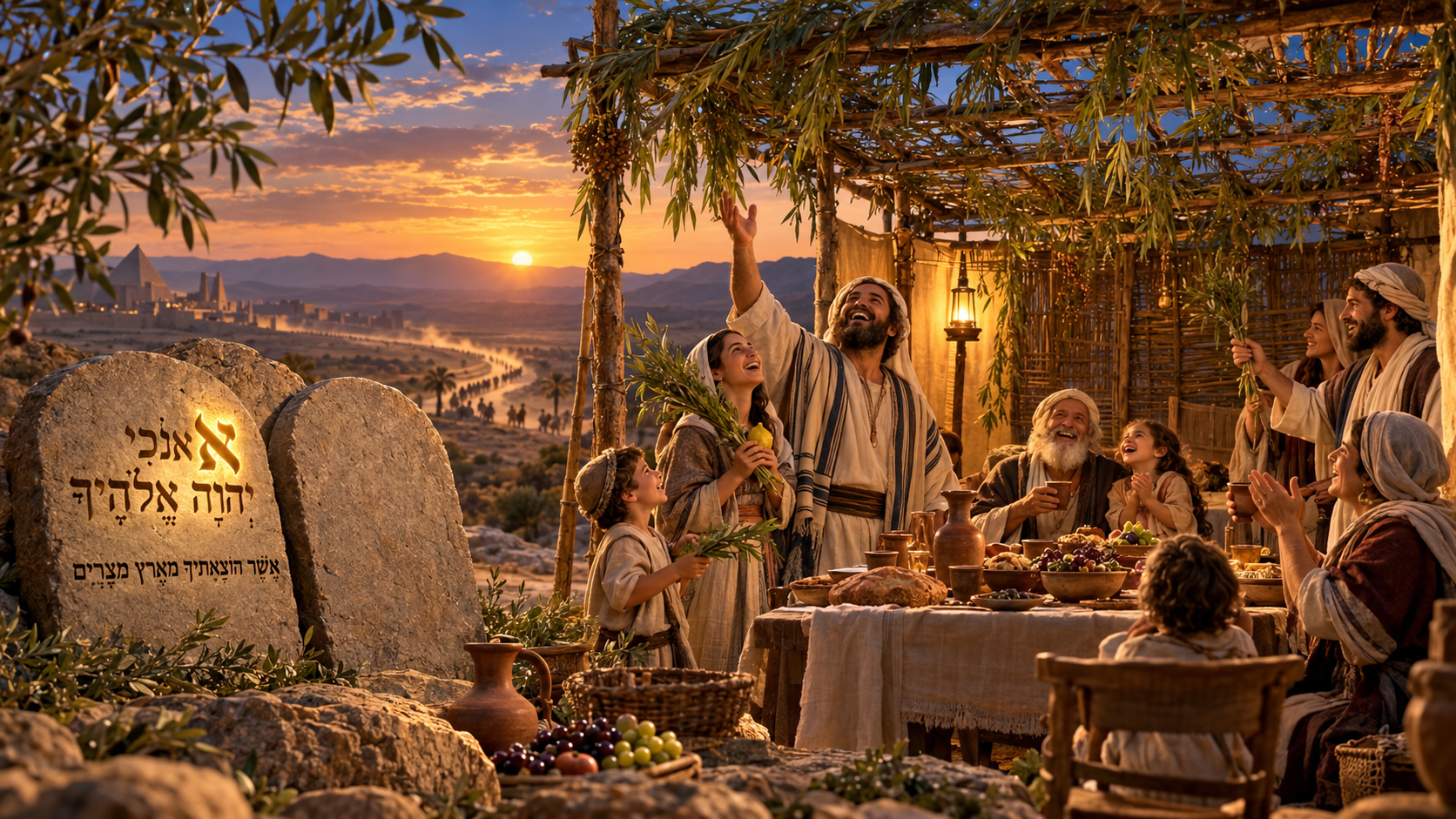
There is a prayer in the Torah that the Lord gives Moses that calls for the Lord’s face to shine upon his people. The prayer is found in the Torah portion that is read during Pentecost/ Shavuot (the Feast of Weeks). During this holiday Jews remember revelation at Sinai, when Moses was given the Lord’s testimony, the Ten Commandments. The prayer is called the Aaronic or Preistly Blessing.
The Lord said to Moses, “Tell Aaron and his sons, ‘This is how you are to bless the Israelites. Say to them:
The Lord bless you
and keep you; the Lord make his face shine on you and be gracious to you; the Lord turn his face toward you and give you peace.
So they will put my name on the Israelites, and I will bless them.
The Torah portion in which this blessing is found is called Parshat Naso (Numbers 4:21–7:89). This is the longest parashah in the Torah. It is 176 verses! The same as Psalm 119.
The rabbis, sages and theologians have noticed the connections between Psalm 119 and Parshat Naso. There is no coincidence that they are both 176 verses.
When will we see Adonai’s face?
Seeing the Lord’s face is not something we expect to do on earth, but some bible verses say there will come a time.
Ezekiel 39 brings the Gog prophecy to its climax: God utterly defeats a final enemy coalition, cleanses His land and people, and promises never again to hide His face, sealing that promise by pouring out His Spirit
In Ezekiel 39:29 He promises, “I will not hide my face any more from them, when I pour out my Spirit upon the house of Israel.”
End of Time
Revelatio 22:3–4 – In the New Jerusalem: “The throne of God and of the Lamb will be in it, and his servants will worship him. They will see his face, and his name will be on their foreheads.”
Epilogue:
One of the most notable uses of the word l’olam is during the Shema: Immediately after reciting the first line of the Shema (“Hear O Israel…”), it is traditional to whisper: “Baruch shem kevod malchuto l’olam va’ed” (Blessed is the name of His glorious kingdom forever and ever).
There is a very popular Hebrew song/prayer composed based on the theme of The Eternal. It is called Adon Olam.