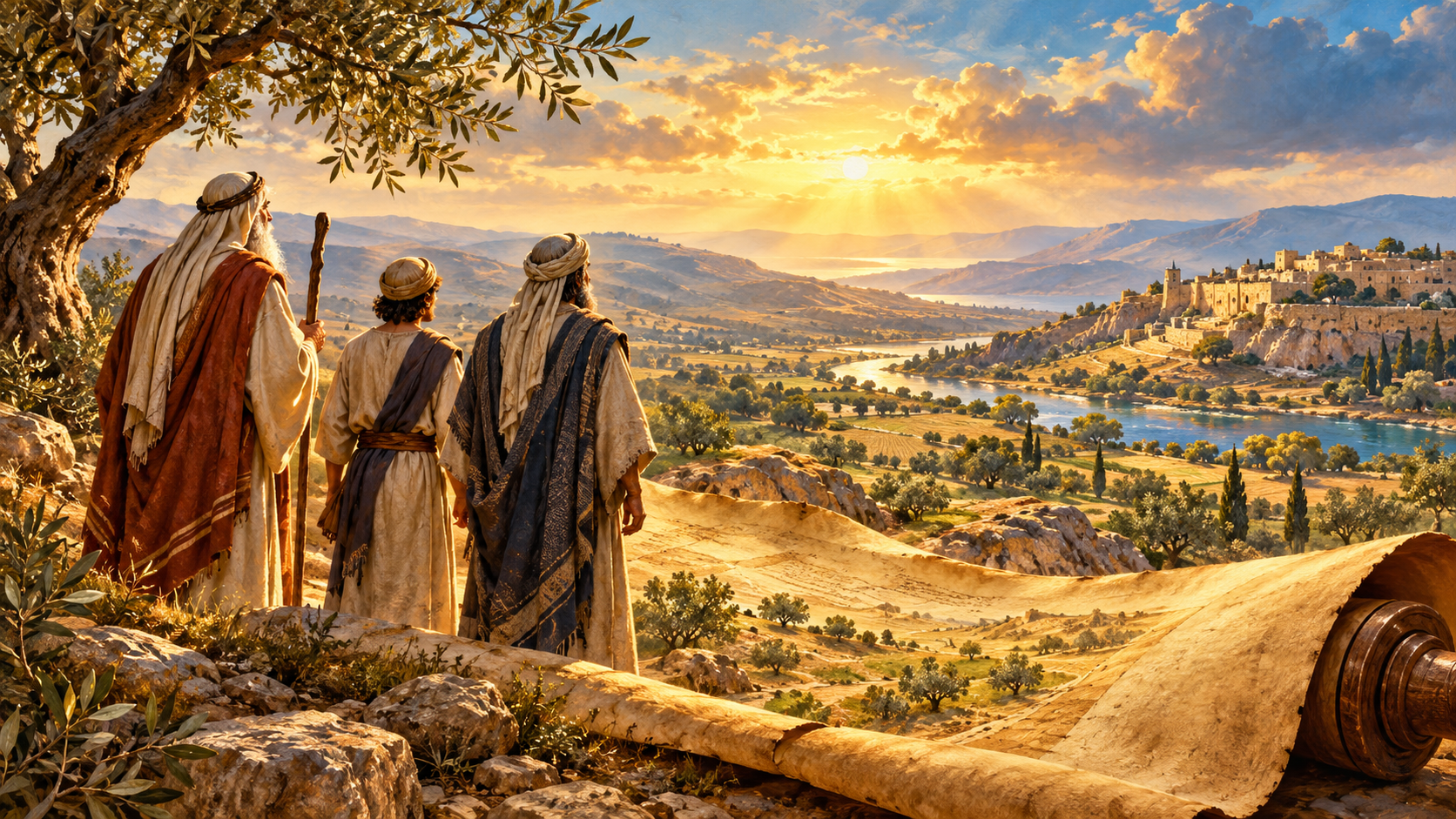
The God of Israel’s Promise to Abraham, Isaac and Jacob
By Jonah
Preface:
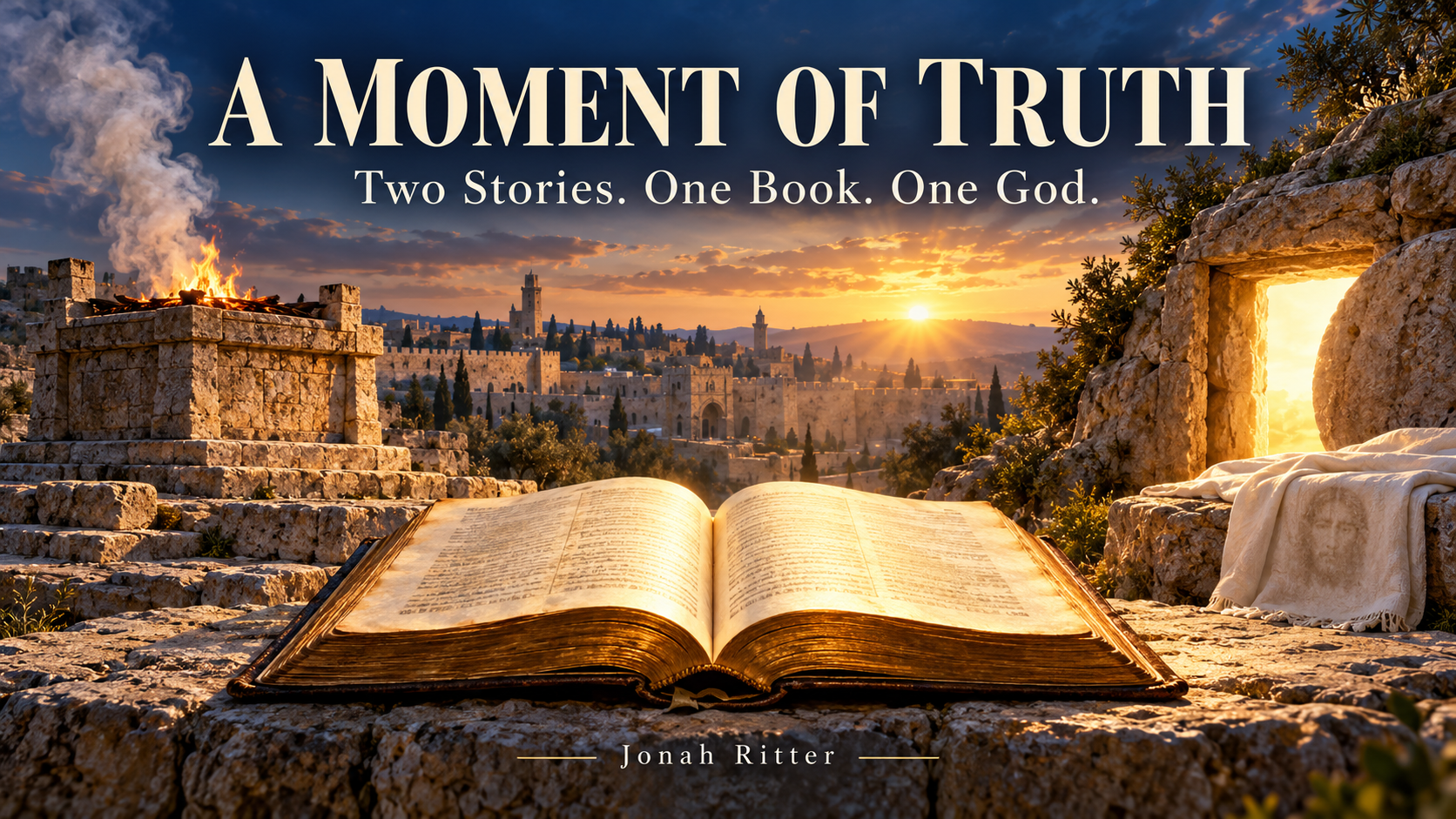
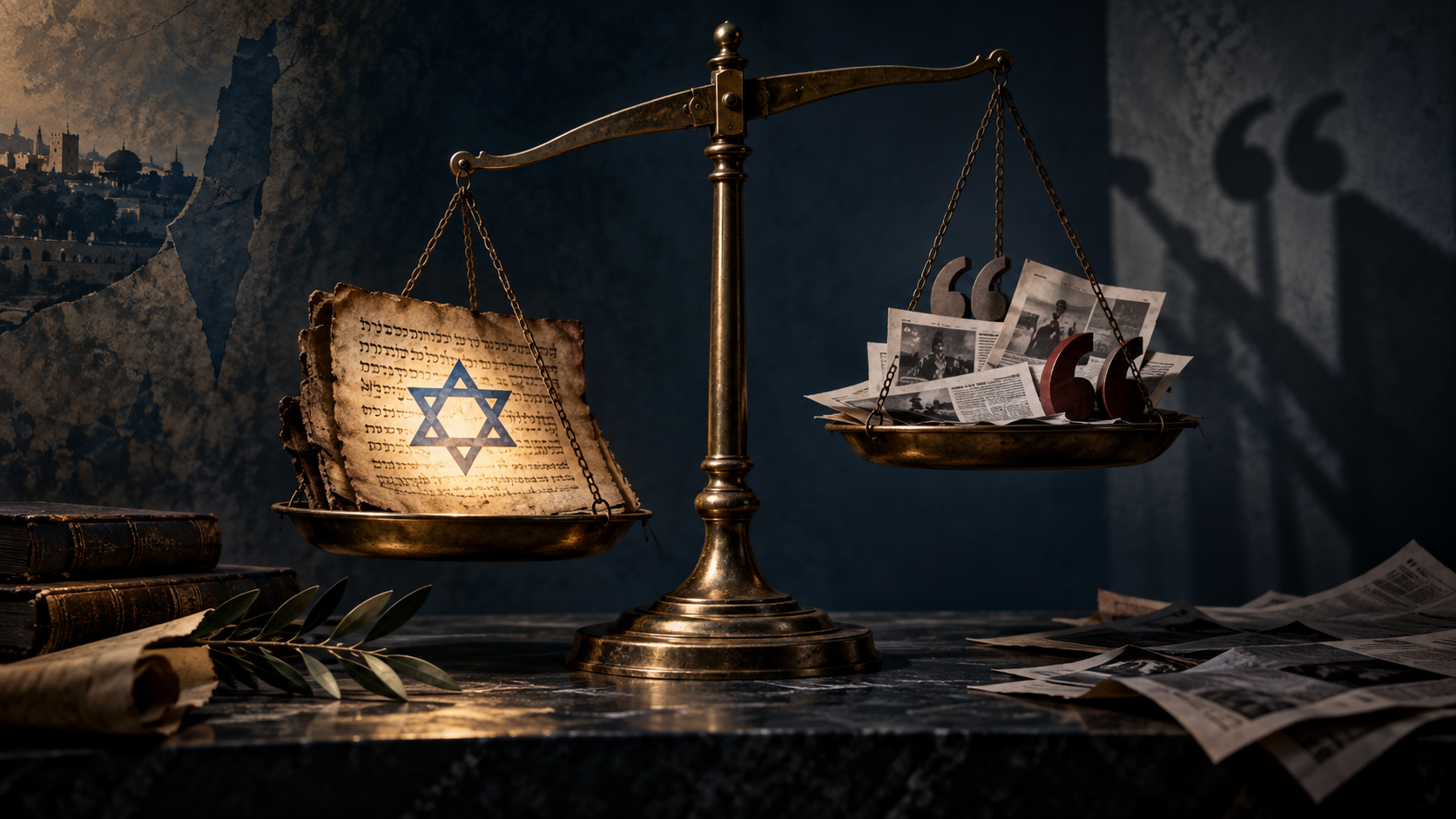
Does God keep His unconditional promise?
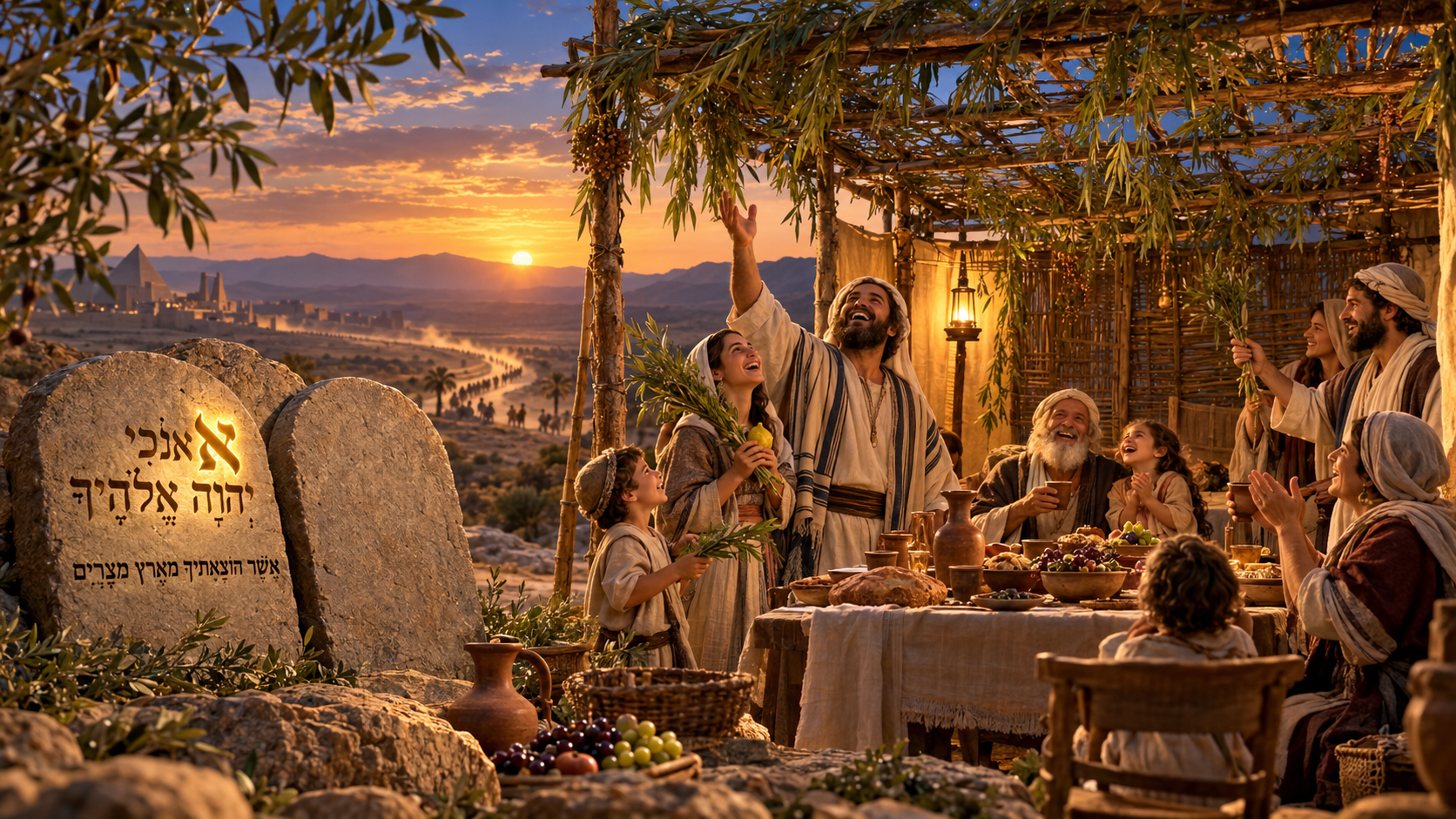
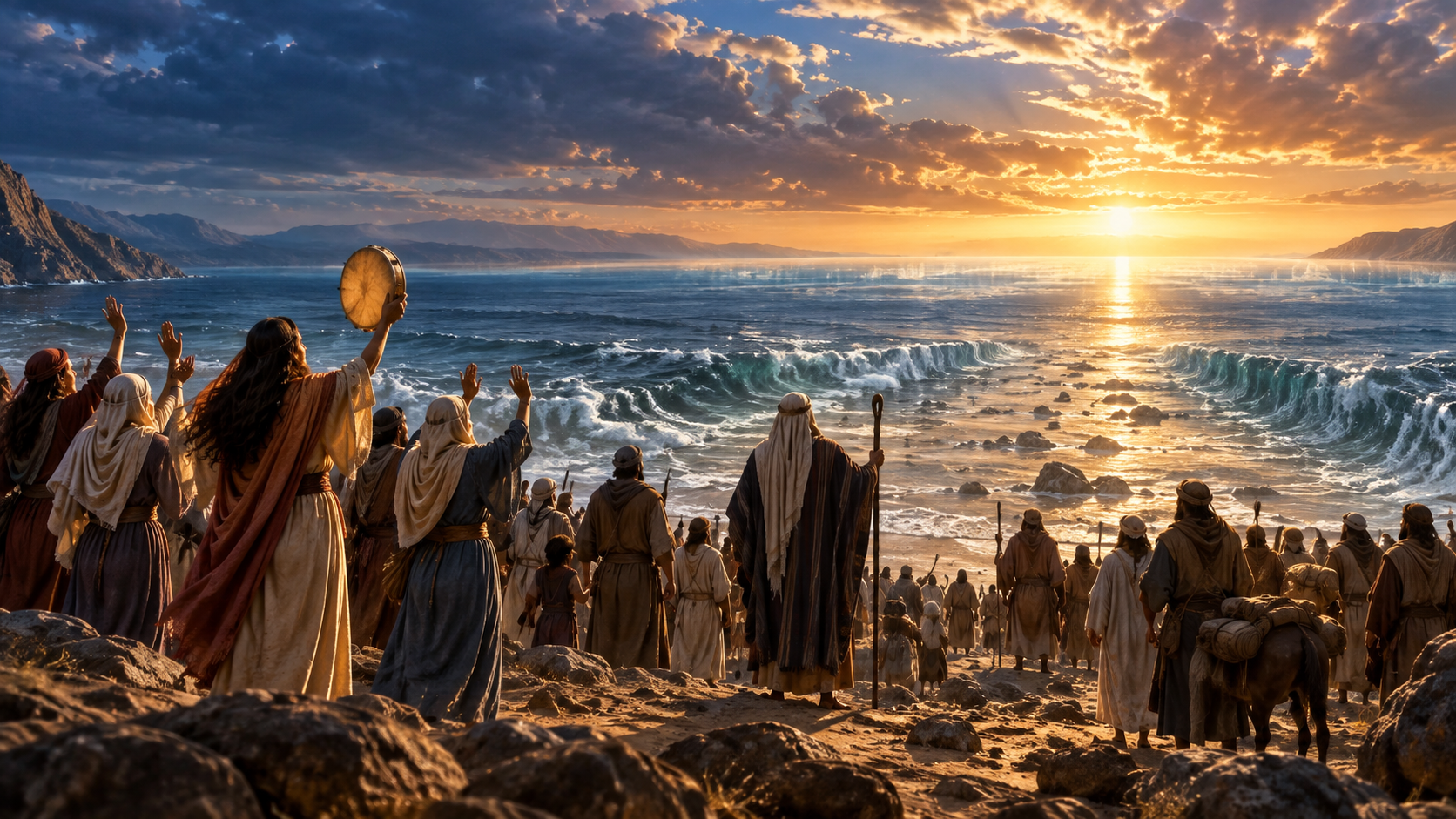
That is the underlying question of this article. God made a covenant with Abraham and reaffirmed it to Isaac and Jacob. An unconditional covenant rests on God’s faithfulness to fulfill His word. Human disobedience brings consequences, but discipline is not abandonment.
Beneath the history of tribes, kingdoms, borders, and conflicts lies that continuing promise. God also blessed Ishmael. Recognizing Israel’s covenant does not require disregarding the dignity of its neighbors. The God who makes promises also commands us to pursue justice and speak truth.
Yet when falsehoods about Israel become excuses for hatred of Jews, justice gives way to deception. Scripture calls us to discern that deception—and points toward the God of Israel ruling from Zion, judging the nations, and bringing deliverance to His people. The New Testament carries this expectation forward through Yeshua and affirms that God does not revoke His gifts and calling (Romans 11:26–29).
This article considers the geography and history through that lens: Has God forgotten Israel, or will He keep His word?
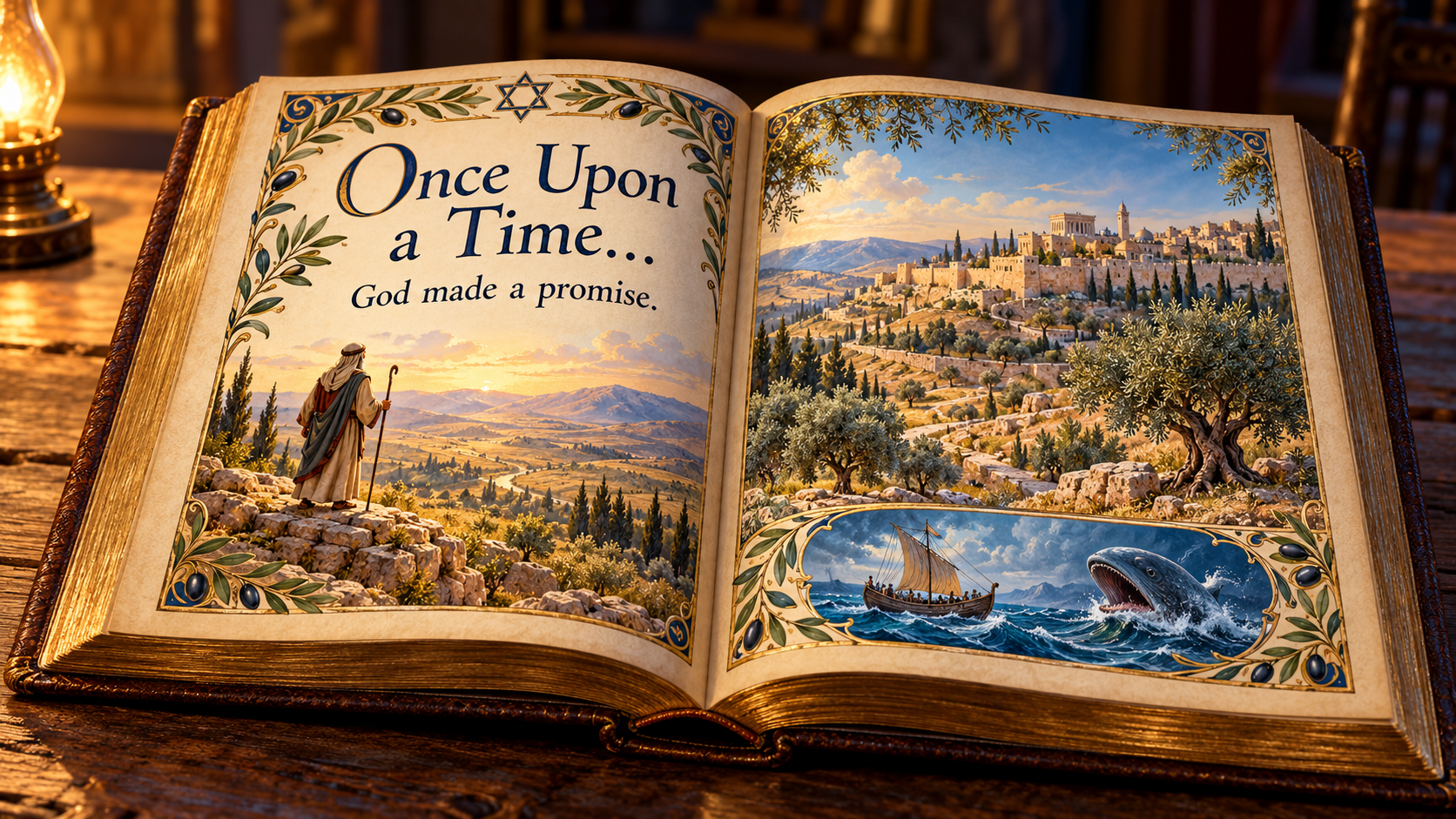
This article is a companion to Once Upon a Time, where I explore Israel’s restoration through the story of Jonah. Here, I step back to consider the promise beneath that story—the covenant with Abraham, Isaac, and Jacob.
Before there were modern borders
To understand this story, we must picture the world of the Bible. Families, clans, and tribes shaped identity, leadership, and belonging. We see comparable patterns throughout human history—among Native American nations, across Africa, and among Aboriginal peoples in Australia—though each had its own distinct traditions.
Kingdoms often emerged as tribes united under a ruler or extended their power over neighboring peoples. Israel’s story follows that movement: a family became twelve tribes, and those tribes became a kingdom. David brought Israel and Judah together under one crown, with Jerusalem as his capital.
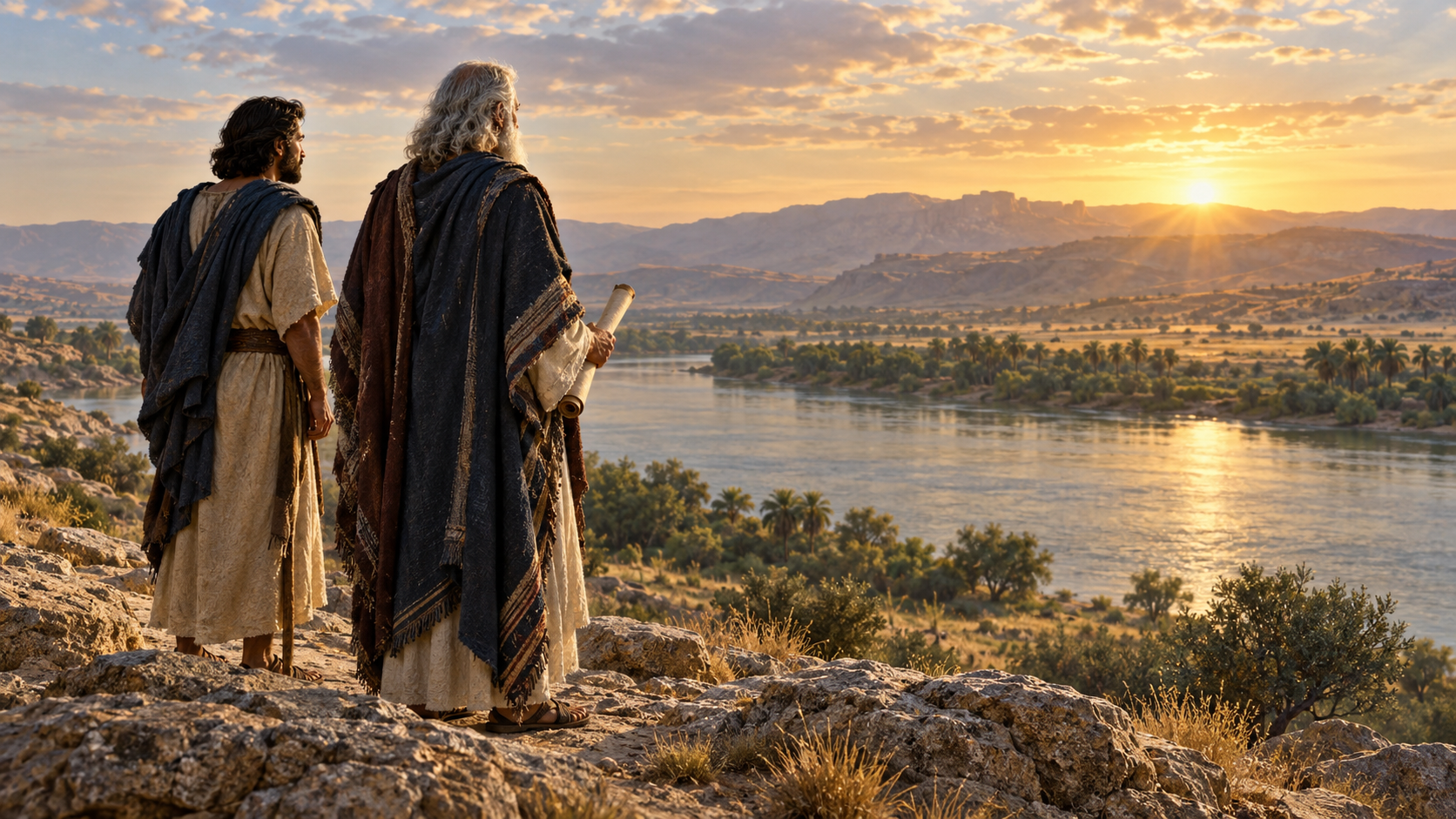
But God’s promise came before Israel had a king. It began with Abraham, continued through Isaac and Jacob, and concerned generations yet to come.
A promise to a family
In Genesis 15:18, God made a covenant with Abram:
“Unto thy seed have I given this land, from the river of Egypt unto the great river, the river Euphrates.”
— Genesis 15:18, KJV
The way this covenant was made matters. Abram fell into a deep sleep. Then a smoking furnace and a burning lamp—representing God’s presence—passed between the divided animals (Genesis 15:12–18). Abram did not walk between them. God alone enacted that solemn pledge. This is why I understand the covenant as unconditional: its ultimate fulfillment rests on God’s faithfulness, even when His people face consequences for their disobedience.
God later reaffirmed the promise to Isaac, saying He would fulfill the oath He had sworn to Abraham (Genesis 26:3). At Bethel, He spoke to Jacob:
“The land whereon thou liest, to thee will I give it, and to thy seed.”
— Genesis 28:13, KJV
Jacob would receive the name Israel. His descendants would carry that name through tribal life, kingdoms, exile, and return. Their connection to the land did not begin with the establishment of a modern state.
The Jewish people are a continuing people whose name, Scriptures, language, and traditions connect them to biblical Israel. Exile did not erase that identity, and the modern State of Israel did not invent it.
The modern Palestinian national identity is not named in the Bible. Its name draws on the region’s later geographical history, including Roman usage of “Palestina.” But the history of a name is not the same as the ancestry of a people.
Recognizing Palestinian identity does not require denying Jewish continuity. Nor can a later national identity erase the Jewish people’s ancient connection to the land.
God also remembered Ishmael. In Genesis 17:20, He promised to bless him, multiply his descendants, make him the father of twelve princes, and make of him a great nation. In the next verse, God specified that His covenant would be established with Isaac.
Both promises belong in Abraham’s story. Ishmael’s blessing was real. So was the covenant through Isaac and Jacob.
Putting the geography in perspective
Ancient geography does not fit neatly inside modern political borders. The following illustrations place biblical rivers and regions alongside today’s countries. They help us see the geographical relationships; they do not establish a complete biblical boundary or determine modern sovereignty.
Northward: the Euphrates
Genesis 15:18 names the Euphrates explicitly. That river passes through modern Syria and Iraq. Taking it as a literal river boundary brings our discussion well beyond the territory of modern Israel.
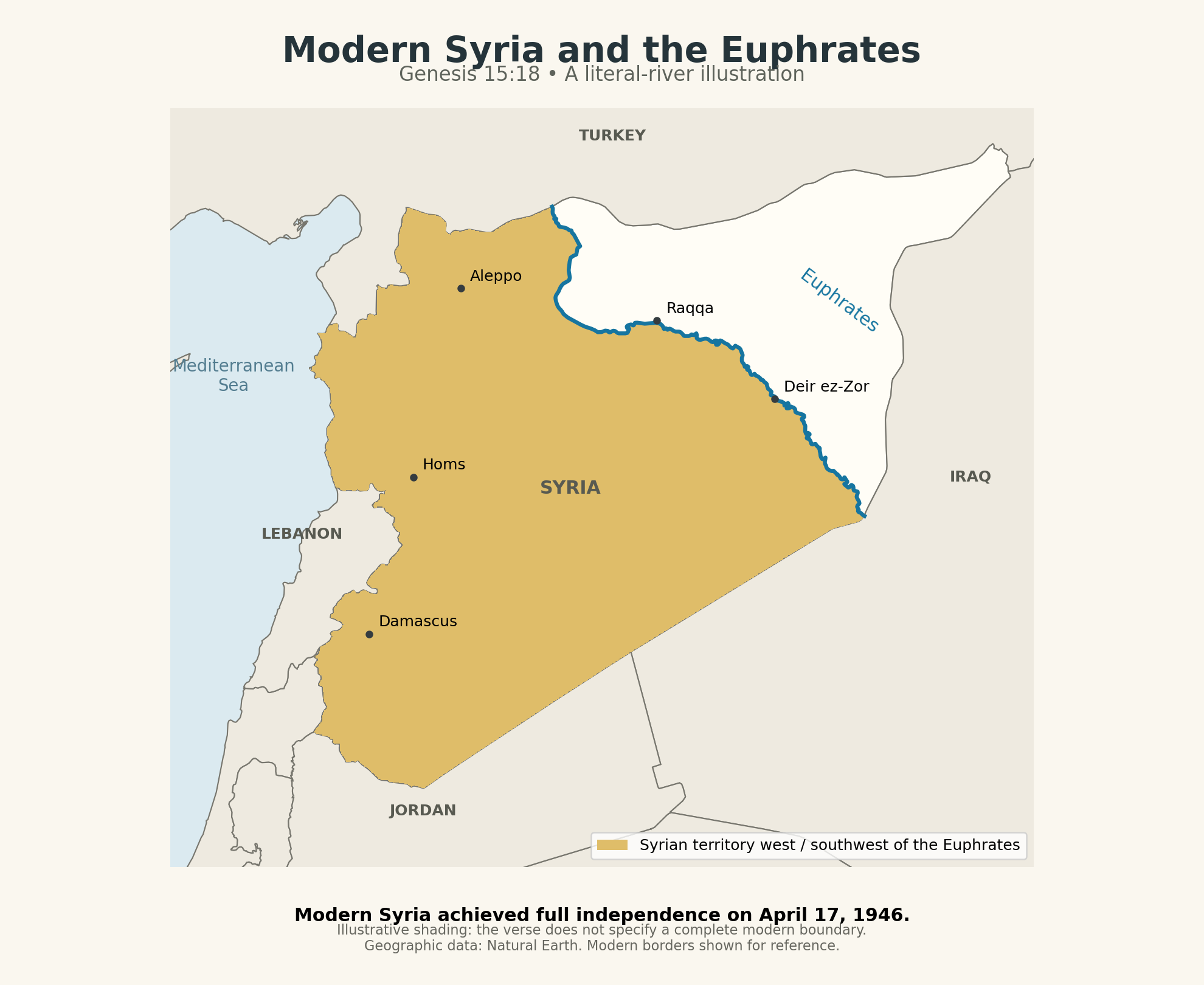
The Syrian illustration above shades the land west and southwest of the river within Syria’s modern outline. Clipping the shading to Syria is a way of examining that country’s geography, not a claim that its other modern borders were specified in Genesis.
Southward: the river of Egypt
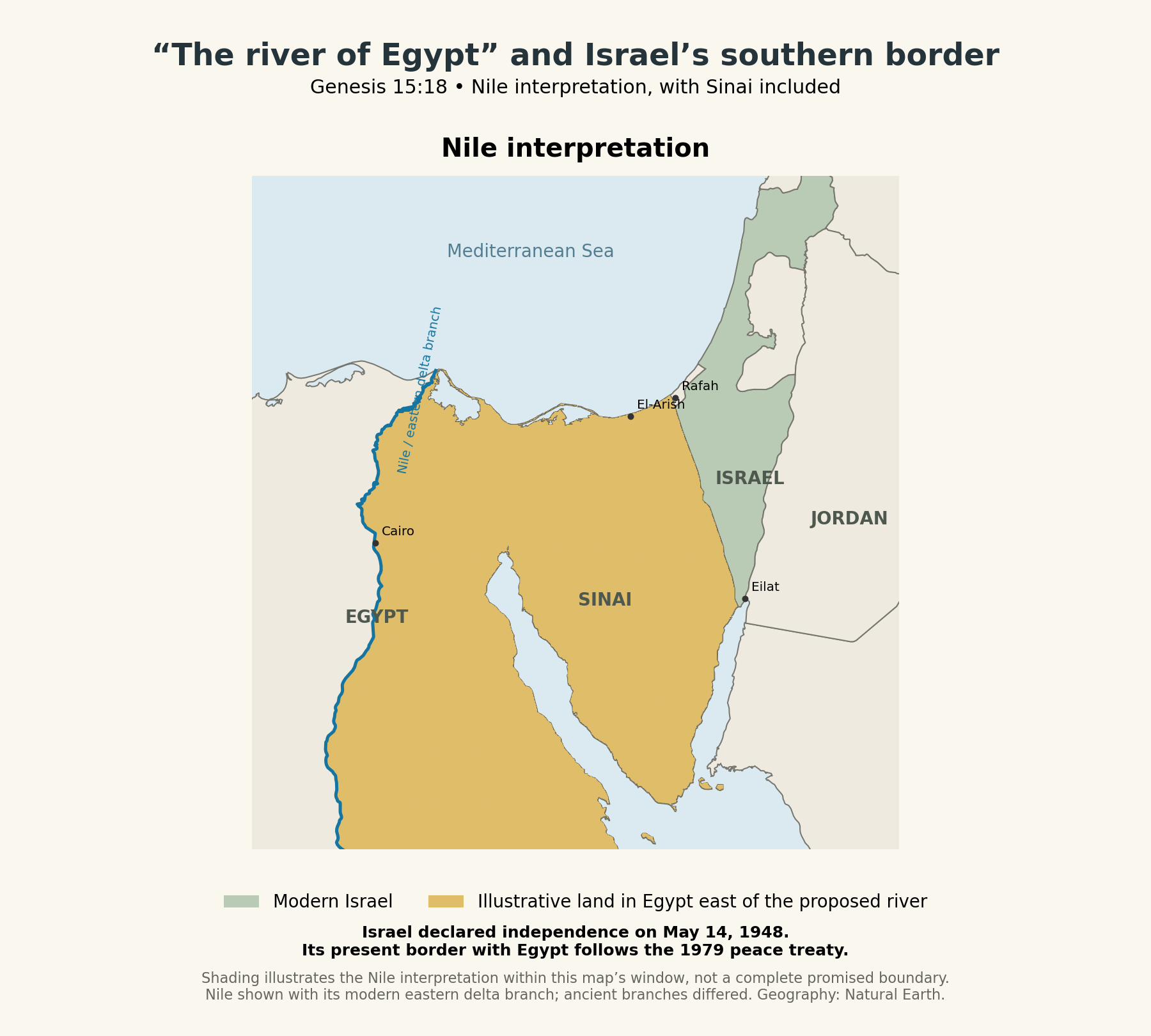
For this article, I take “the river of Egypt” in Genesis 15:18 as the Nile. This is a well-supported interpretation: the Hebrew uses nahar, meaning river, and some commentators identify the Nile or its eastern branch. Other interpretations exist, including identification with Wadi el-Arish.
Under the Nile interpretation, the geographical span includes Sinai, extending beyond Israel’s present border with Egypt. The map shows the modern Nile and its eastern delta branch for orientation; ancient delta channels differed.
Eastward: beyond the Jordan
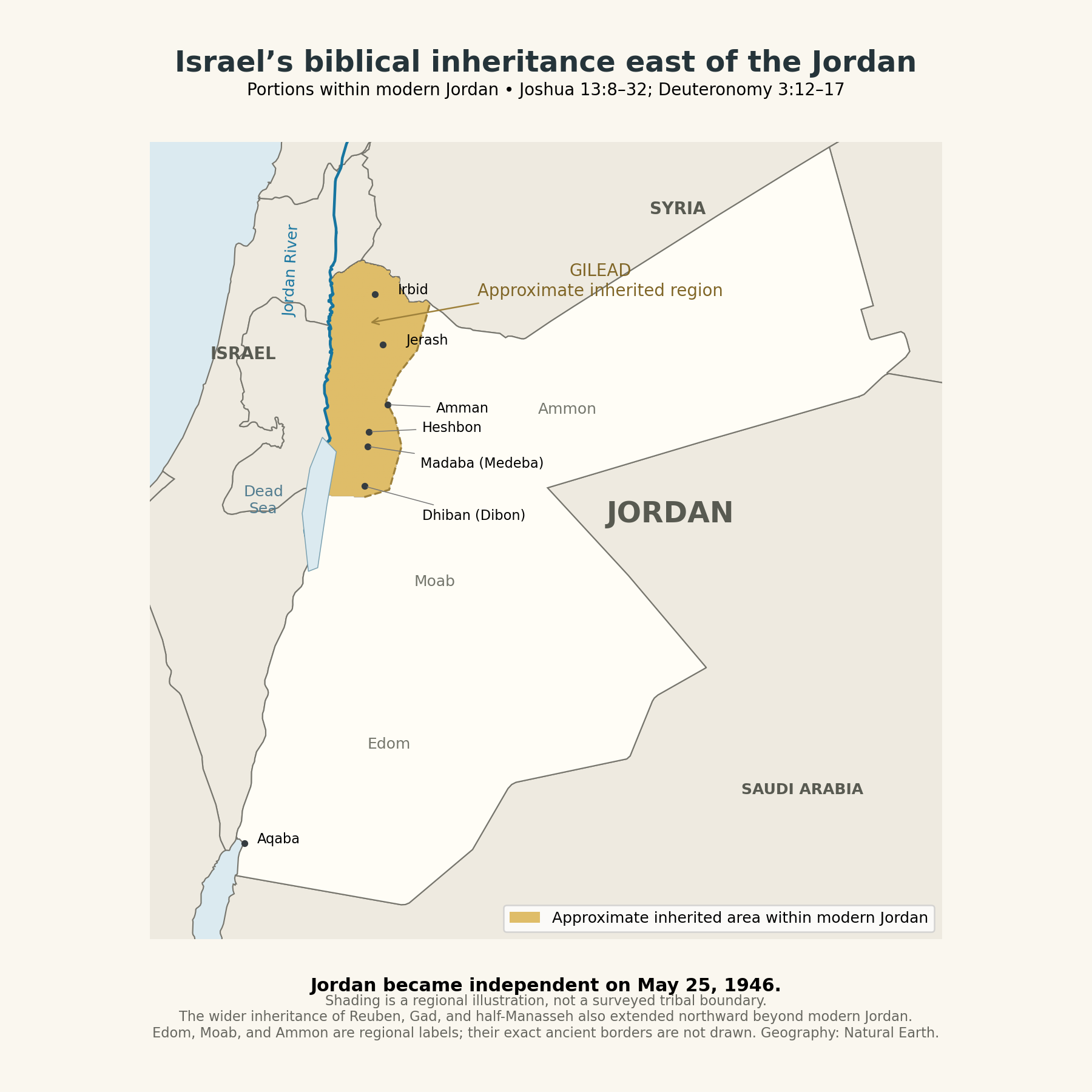
The Jordan River was not the limit of Israel’s biblical inheritance. Joshua 13 and Deuteronomy 3 describe land east of it allotted to Reuben, Gad, and half the tribe of Manasseh. That inheritance included portions of what is now Jordan, with places such as Heshbon, Medeba, and Dibon.
This does not mean that every part of modern Jordan should be included. Deuteronomy 2 records God’s instructions respecting the territories of Edom, Moab, and Ammon. The broader promise to Abraham and the specific tribal allotments must be read with attention to their distinct wording and settings.
The wider view
Now step back. The regional maps can be placed within the much larger geography of the Middle East. The final illustration combines the areas we have discussed and groups the surrounding Arab countries visually, omitting their internal borders.
Its gold shading combines interpretations and approximate inherited regions. It is not a single surveyed outline from Genesis, nor a map of a kingdom that possessed all those lands at one time. What it offers is perspective: Israel’s biblical story concerns a land within a much wider world of peoples and nations.
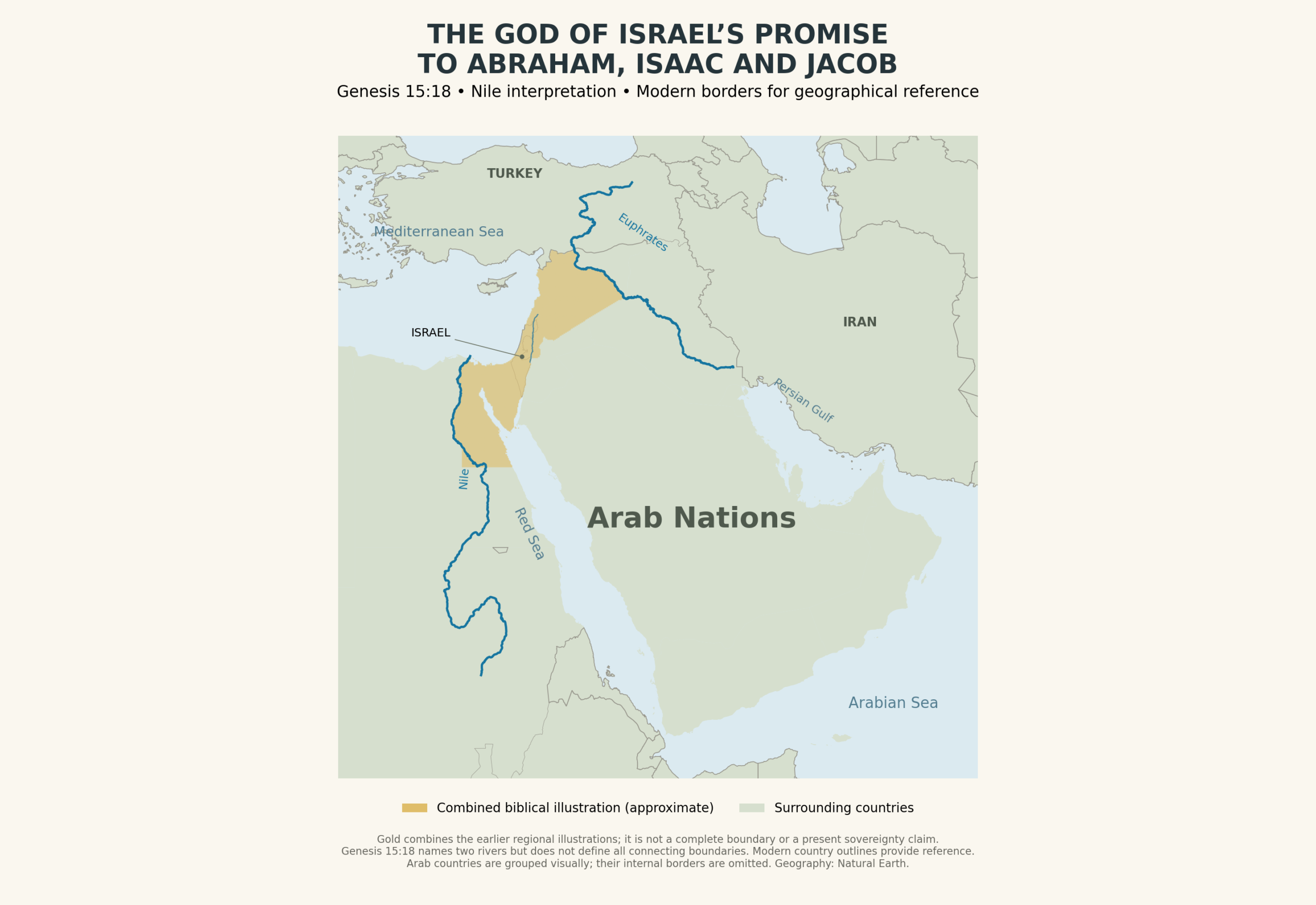
Arab tradition associates Ishmael with Arab ancestry. But the modern Arab world contains many peoples and histories. Genesis does not assign Ishmael the borders of today’s Arab states, and a map cannot establish that all their inhabitants descend from him.
Justice belongs in the story
“Justice, justice shall you pursue” is the command of Deuteronomy 16:20. The same verse connects that pursuit with living in and possessing the land God gives Israel. Leviticus 19:15 reinforces the obligation to judge impartially.
God’s gifts carry responsibilities. A discussion of promises and land must also consider how people are treated within those lands.
Arab citizens of Israel vote, elect representatives, and participate in public life. Their religious freedom is legally protected. Israel has discrimination and inequalities to address, but these rights reflect important elements of the biblical standard and deserve acknowledgment.
The Jewish experience across Arab countries has often been very different. In Iraq, persecution and insecurity contributed to the departure of almost the entire Jewish community. Across the region, the circumstances varied: persecution, restrictions, expulsions in some countries, and migration all played roles. Morocco deserves recognition for protecting an enduring Jewish community and recognizing Jewish religious life.
The comparison should be made honestly. Arab citizens of Israel have a different legal status from Palestinians living outside Israel’s citizenship framework. Arab countries also differ from one another. Those distinctions strengthen a fair argument.
Justice asks us to apply a consistent standard: dignity, religious freedom, security, and equal protection for Arabs living among Jews and Jews living among Arabs. Israel’s covenant and Ishmael’s blessing both deserve acknowledgment, without treating either as permission to disregard our neighbors.
When hatred borrows the language of justice
The world seems upside down when hatred of Jews is presented as a pursuit of justice. Criticism of a government can be legitimate. Condemning Jews collectively, celebrating attacks on Jewish civilians, or denying Jewish history and dignity crosses a different line.
Deception grows when a partial truth is presented as the whole story. An accusation becomes misleading when essential context is erased, evidence is distorted, or a standard is applied only to Israel. We should test each claim against the evidence, including claims made in Israel’s defense.
Consider the claim that today’s Jews are impostors with no connection to biblical Israel. That accusation dismisses a people’s continuing identity, preserved through Scripture, Hebrew, communal life, and generations of attachment to Jerusalem. It turns a dispute about modern politics into a denial of Jewish history. Recognizing Palestinian identity and rights does not require pretending that Jewish identity was invented in 1948. Justice requires us to acknowledge both peoples honestly.
Concern for Palestinians should lead us to seek their dignity and safety. It should never require hatred of Jews. Likewise, defending Israel should never require indifference to innocent Palestinian suffering.
A lie does not become righteous because it serves a popular cause. Hatred does not become compassion because it borrows the language of human rights.
Biblically, lies and deception have a source and a name. Yeshua describes the devil as “a liar, and the father of it” (John 8:44). Revelation identifies Satan as the deceiver of the whole world (Revelation 12:9).
When falsehoods about Israel are used to stir hatred against Jews, I see that pattern of deception. Our responsibility is to resist it with truthful testimony, impartial judgment, and love of neighbor. We cannot honor the God of Israel through lies about Israel—or through lies about anyone else.
The Judge comes from Zion
The story does not end with today’s borders or the judgments of the world. Scripture points toward the God of Israel ruling from Zion and judging the nations.
Joel describes God gathering the nations for judgment concerning His people Israel, their scattering, and the dividing of His land (Joel 3:1–2). The chapter also condemns the selling of people and the plundering of their possessions. These are acts of injustice, not merely lines on a map.
The same chapter declares that the LORD dwells in Zion (Joel 3:17). Isaiah describes instruction going forth from Zion and God judging between nations, leading them to turn swords into plowshares (Isaiah 2:3–4).
The nations’ treatment of Israel matters to the God of Israel. So do truth, justice, and the treatment of our neighbors. His judgment reaches beyond the standards of any political camp.
The New Testament carries this expectation forward. Yeshua’s return does not leave Israel behind. Paul declares that “all Israel shall be saved,” connecting that hope with the Deliverer coming from Zion and God’s covenant to take away their sins (Romans 11:26–27). He then affirms that “the gifts and calling of God are without repentance”—God does not revoke them (Romans 11:29).
Yeshua comes to reign, bring deliverance to Israel, and judge the nations. His return brings the story of God’s promises toward its fulfillment. The God of Abraham, Isaac, and Jacob has not forgotten Israel.
Before there were modern borders, God made a promise. As we consider that promise, we are called to pursue justice and speak truth.
The One who made the promise is also the One who will judge.
Sources and further reading
- Biblical promise and covenant: Genesis 15:18–21; 17:19–21; 26:2–5; 28:13–15.
- Eastern inheritance and neighboring peoples: Deuteronomy 2:5, 9, 19; 3:12–17; Joshua 13:8–32.
- Justice: Deuteronomy 16:18–20; Leviticus 19:15, 18.
- Truth, deception, and judgment: John 8:44; Revelation 12:9; Joel 3; Isaiah 2:1–4. Joel chapter numbering differs in some Jewish editions: the passages cited as Joel 3 here appear in Joel 4.
- River of Egypt — Encyclopedia of the Bible.
- Israel–Egypt peace treaty, 1979 — United Nations.
- Syria independence — U.S. Library of Congress country study.
- Jordan independence — U.S. Office of the Historian.
- Basic Law: The Knesset — voting rights.
- Israel human rights report, 2023 — U.S. Department of State.
- The Farhud and Iraq’s Jewish community — U.S. Holocaust Memorial Museum.
- Morocco religious freedom report, 2023 — U.S. Department of State.
- Geographic outlines and river data: Natural Earth. Biblical shading is an interpretive illustration, not a source dataset of ancient borders.