“And God created man in His own image.” — Genesis 1:27
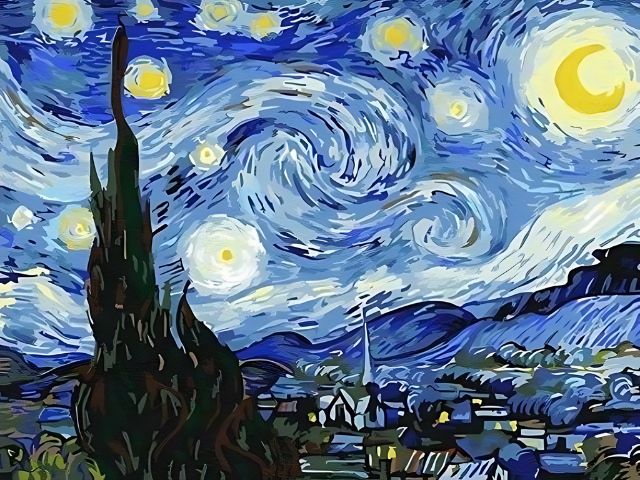
I love Starry Night. About five years ago I stood in front of it at MoMA and just stared. The sky seems to move: coils inside coils, each turn drawing my eye into the next. Van Gogh had made something still feel alive.
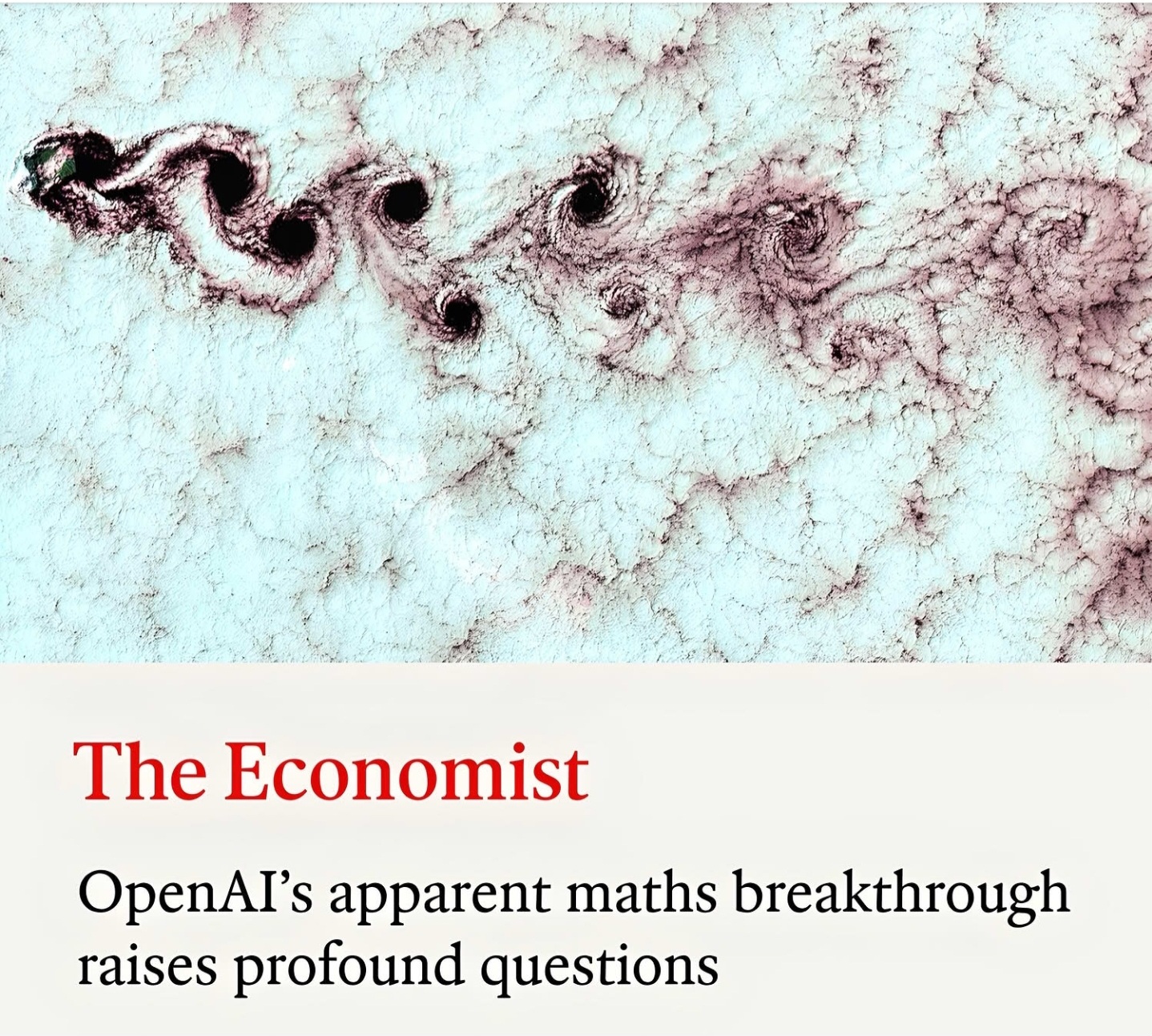 An article in the Economist recently brought that moment back. It used similar swirls to introduce a story about a breakthrough in mathematics. I don’t know the equations behind it. What struck me was that a painter and a mathematician could each look at the world and find an order that most of us would miss.
Van Gogh saw something and gave it form. A mathematician sees relationships and gives them language. Standing before the painting, I could do neither of those things, but I could recognize what Van Gogh had made and let it change the way I saw.
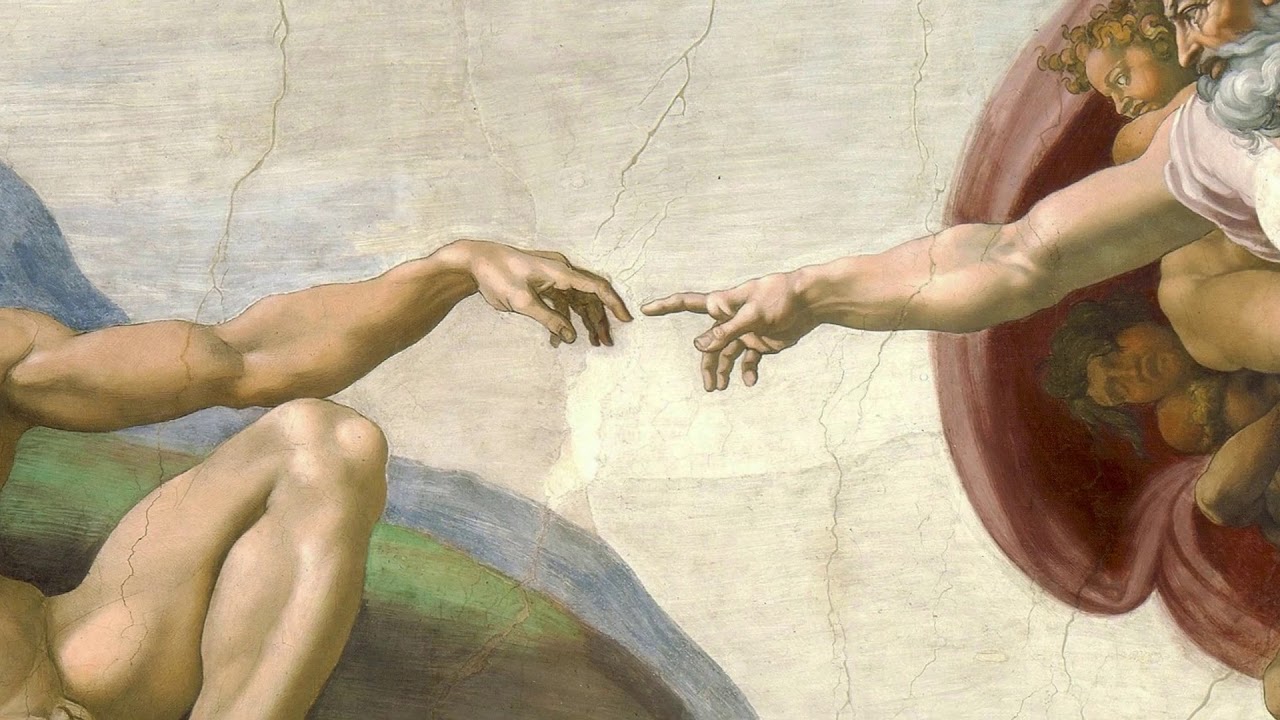
Genesis says human beings are made in the image of God. I think about that when I consider our ability to notice order, search for meaning, and make something that lets another person see more than they saw before. The Hebrew letter yod (י) is associated with yad, the hand. Van Gogh’s eyes saw the night; his hand gave that vision form.
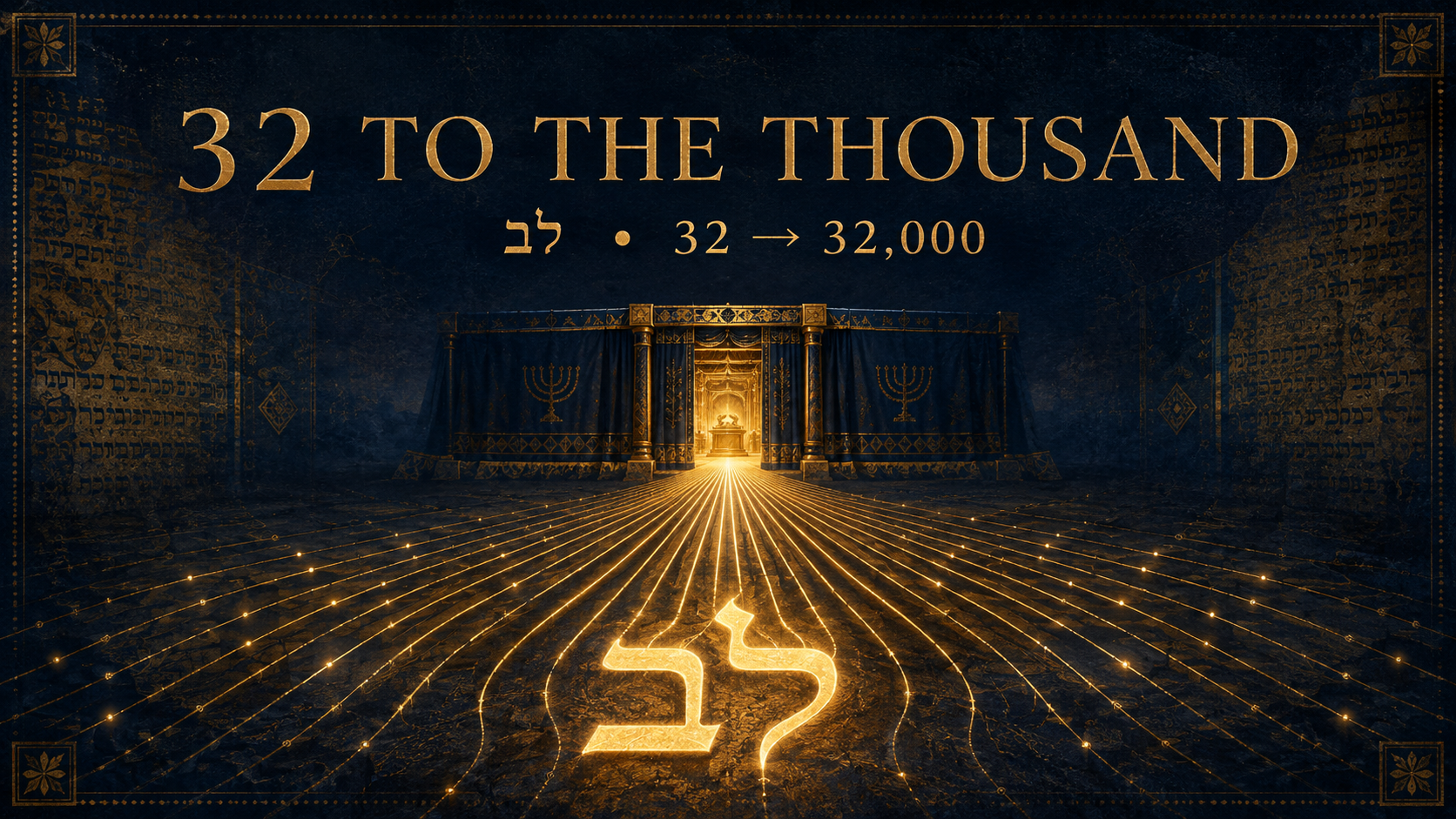
In Exodus 31:3–5, God fills Bezalel with chokhmah (חָכְמָה), wisdom; tevunah (תְּבוּנָה), understanding, closely related to binah (בִּינָה); and da’at (דַּעַת), knowledge. With these gifts and the skill of his hands, Bezalel makes artistic designs for the Tabernacle in gold, silver, bronze, stone, and wood. He has eyes to imagine what could be made and hands to make it. The Israelites bring the materials so generously that Moses must tell them to stop: they have more than enough (Exodus 36:5–7). To me, that abundance suggests a larger truth: God has given us enough to create and to make what we create a blessing to others.
There is something striking here for a Christian reader. In Exodus 31:3, God says He has filled Bezalel with ruach Elohim (רוּחַ אֱלֹהִים), the Spirit of God. This is the Torah’s first explicit account of God filling a person with His Spirit—and the person is an artist. For believers in Yeshua, the connection to the Holy Spirit is hard to miss. His inspiration is joined to wisdom, understanding, knowledge, and skilled hands.
There are many artists on my mother’s side of the family: my great-grandfather, grandfather, mother, and uncle. Perhaps that is why I have long thought about artistic inspiration. An idea may come in a moment, but giving it form takes an eye for possibility, an understanding of the materials, and practiced hands. Bezalel’s story takes that thought further for me: the Torah places the Spirit of God at the beginning of his creative work.
God gave us a world to create in. The world is our canvas; soil, water, minerals, and sunlight are our art supplies. We can study what He made, work with it, and make something new. That is what stayed with me at MoMA: a human being had looked at the night and, with his own hands, made it possible for me to see through his eyes.
Perhaps this is also why we preserve, collect, and display art. A painting carries one person’s act of seeing and making beyond that person’s lifetime. In a museum, those works become more than objects to admire. They remind us, generation after generation, of what human beings made in God’s image are capable of giving one another.
As for me, nearly forty years ago I built my home in an open cornfield on a hill, away from other houses. I chose that place in part because I love to look up at the stars on a clear, dark night. Perhaps that is why I stood so long before Starry Night. Van Gogh put on canvas a sky I have spent much of my life looking at. Houses have since been built all around me, and the darkness that once made the stars so vivid is harder to find. That is the sadness I bring to Van Gogh’s painting and my understanding of the artist. But in Starry Night, the sky still dominates the village lights.