Two Sons, Different Destinies
The Scripture readings assigned to this day were established centuries before September 11 carried its terrible meaning. They were not chosen in response to modern events. Yet as Rosh Hashanah begins on the 25th anniversary of 9/11, I find their connections to one another—and to our own time—profoundly relevant. These are the observations that struck me as I read them.
The timing of world events alongside the profound relevance of these long-assigned readings reinforces my faith in the eternal, all-knowing God. What unfolds in our time is not beyond His knowledge, and His Word continues to speak across the centuries.
What Scripture Has To Say And How It Applies To Today
Rosh Hashanah began this year at sunset on September 11. The following morning’s readings bring together remembrance, distressed mothers, and children whose legacies reach into our own time.
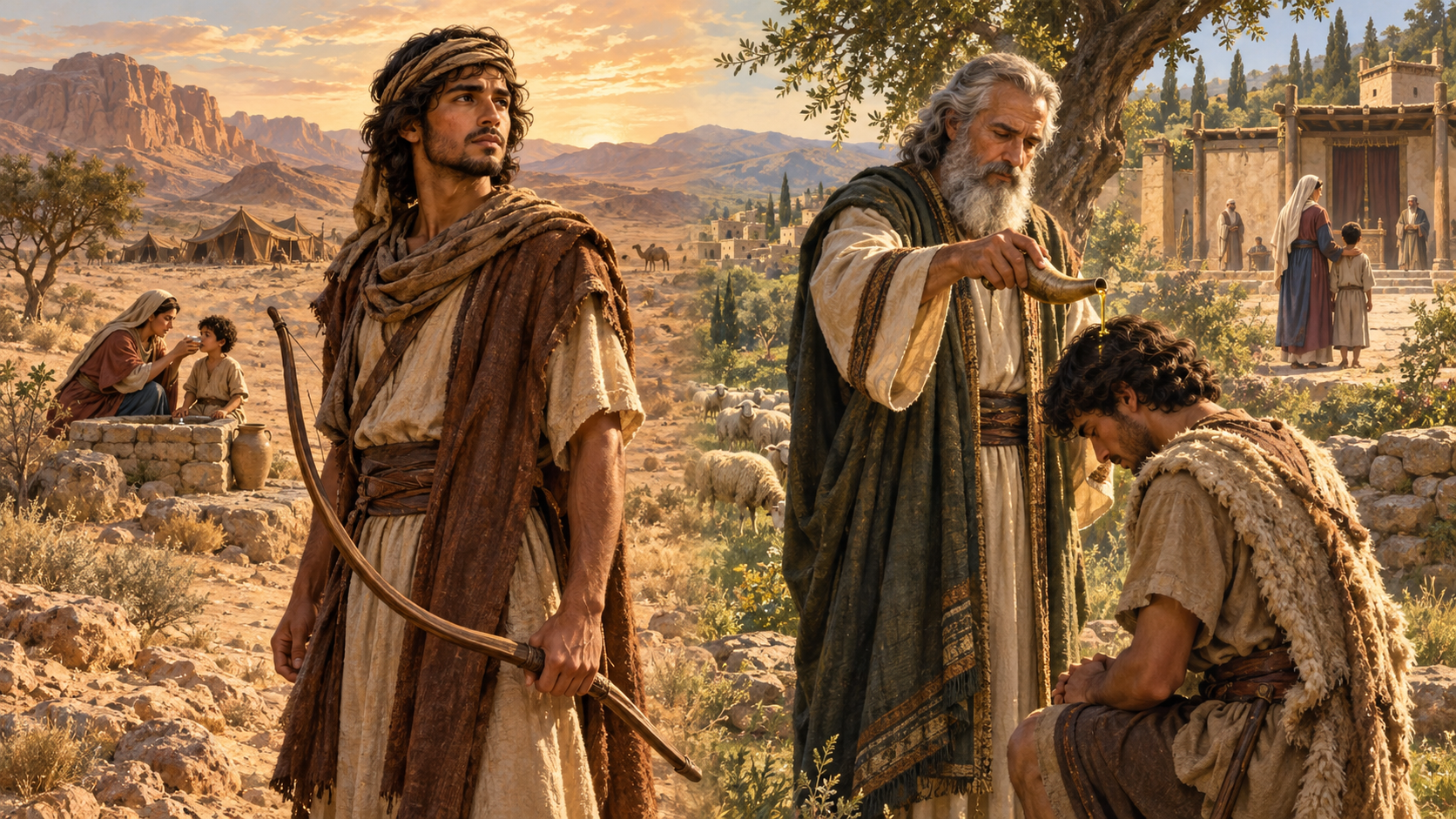
In Genesis 21:1–34, God fulfills His promise to Sarah with Isaac’s birth. Later, Hagar, Sarah’s maidservant, weeps in the wilderness. God hears Ishmael and promises to make him a great nation. The boy grows up and becomes an archer—a man of the bow (21:20).
In 1 Samuel 1:1–2:10, Hannah calls herself God’s handmaid and asks for a son whom she will dedicate to His service. God remembers her, and Samuel is born. He will become the prophet who anoints David.
Hagar and Hannah. Two distressed women. God hears both, but their sons’ futures differ profoundly.
Ishmael becomes an ancestral figure in Arab tradition and holds an important place in Islam. Samuel anoints David, whose kingship helps shape Jewish hopes for Messiah and the enduring significance of Jerusalem. These religious histories remain woven into identities and conflicts in the Middle East today.
Between the Genesis and Samuel readings comes the Maftir, Numbers 29:1–6. This final Torah aliyah honors the Torah before the reading from the Prophets. Its passage commands the observance of Yom Teruah, the Day of Blasting, with a sacred assembly and offerings.
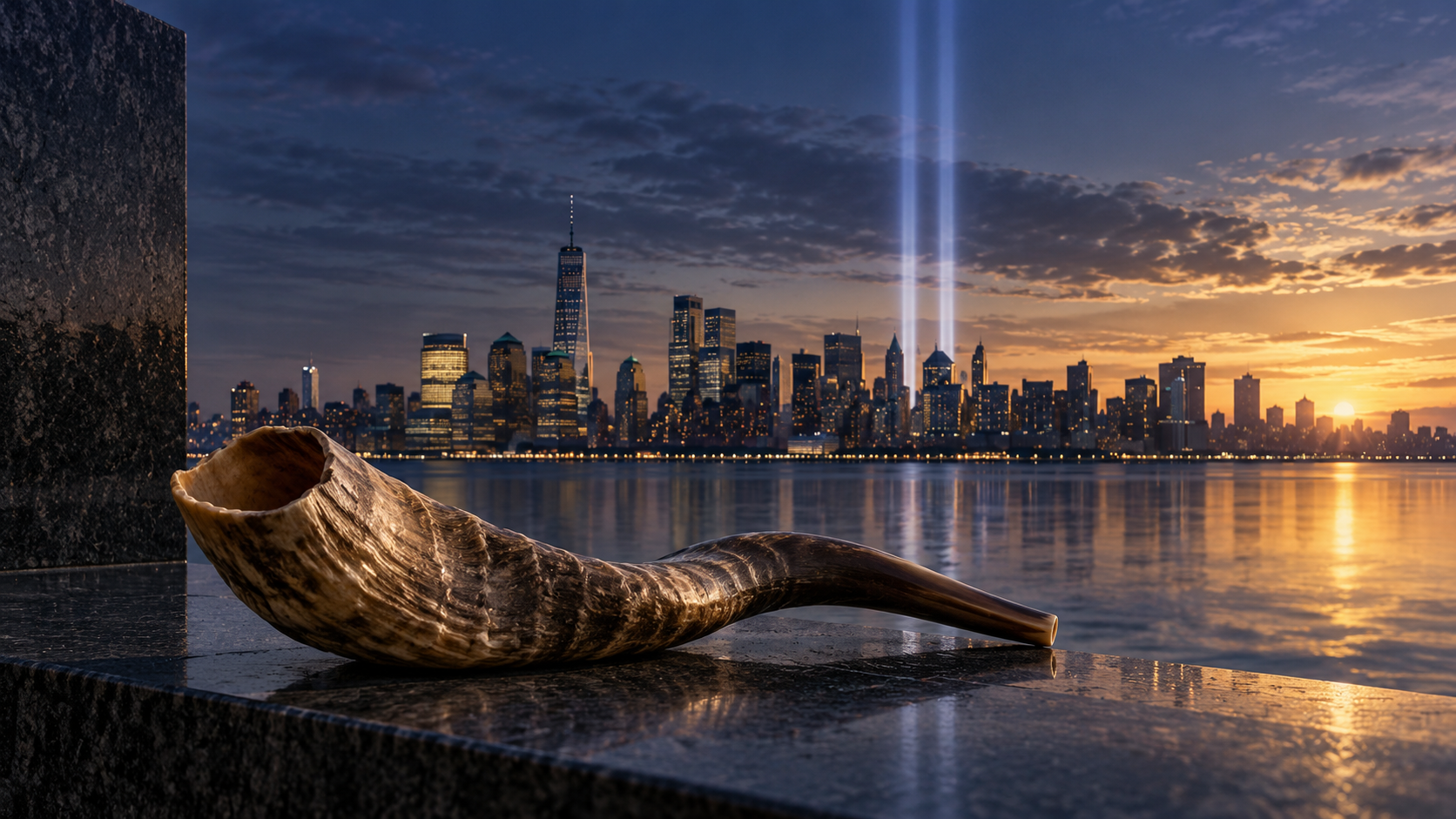
This year, we read about blasting while the shofar remains silent for Shabbat. We read about offerings once brought in a Temple that no longer stands. Then we hear Hannah’s story: her lips move in prayer, but her voice is unheard. God hears her. And the woman who prayed silently later sings: “The bows of the mighty are broken” (1 Samuel 2:4).
Ancient Readings, Sharper Relevance Today
Commentators have understood Hannah’s broken bows as an expression of God’s sovereignty over human power. Targum Jonathan identifies the mighty with Greek power and the weak with the Hasmoneans—the Jewish family associated with the Maccabean struggle commemorated at Hanukkah. This interpretation concerns Israel’s deliverance from an ancient empire; the contemporary connection I am exploring involves Ishmael’s place in Islamic tradition and, separately, Jeremiah’s prophecy concerning Elam. Targum Jonathan, 1 Samuel 2:4
The Torah describes Ishmael becoming a man of the bow; the Haftarah declares that the bows of the mighty are broken. Ishmael’s place in Islamic tradition gives this echo an additional resonance for me as we remember 9/11 and consider the threats Israel faces from Islamist movements. Alongside Samuel’s anointing of David, these readings connect ancestral identity, kingship, and the limits of military power. I see a contemporary application, not a prophecy identifying Ishmael with modern terrorists. Scripture has not faded with time; its relevance to the world before us feels sharper than ever.
Today, the broken bow is more than an abstract image. The damage inflicted on Iran’s military capabilities gives Hannah’s words a visible contemporary resonance. Jeremiah makes the connection more specific: “Behold, I will break the bow of Elam, the chief of their might” (Jeremiah 49:35, KJV). Elam was an ancient kingdom in what is now southwestern Iran. I see these events as reason to consider the passages’ prophetic potential, while distinguishing that possibility from a demonstrated fulfillment.
Moreover, Jeremiah’s prophecy does not end with the broken bow. God promises to restore Elam’s fortunes “in the latter days” (Jeremiah 49:39). Could that point toward a restoration of the Persian people—a future of freedom, peace, and renewed flourishing? I leave that possibility open. The prophecy contains both judgment and hope: the breaking of military power need not mean the abandonment of a people.
The Hasmonean interpretation need not exhaust Hannah’s prophecy. Her song ends with God judging the ends of the earth and strengthening His anointed king—a horizon broader than one ancient victory. I therefore leave open the possibility that these readings carry an end-times implication as well as historical meaning. Their resonance with present events prompts that question; it does not establish a prophetic timetable.
Avinu Malkeinu—Our Father, Our King—brings these themes together. As Father, God hears the distress of mothers and children. As King, He judges the earth and breaks the bows of the mighty. The prayer asks for remembrance, mercy, protection, and deliverance—the very concerns running through these readings.
Hannah’s declaration remains universal: no military power stands beyond God’s authority.
The shofar is silent, but the prayer is heard—and the bows of the mighty are broken.
Our Father hears. Our King rules.