Boundaries and Broken Walls: A 17th of Tammuz Meditation
Preface
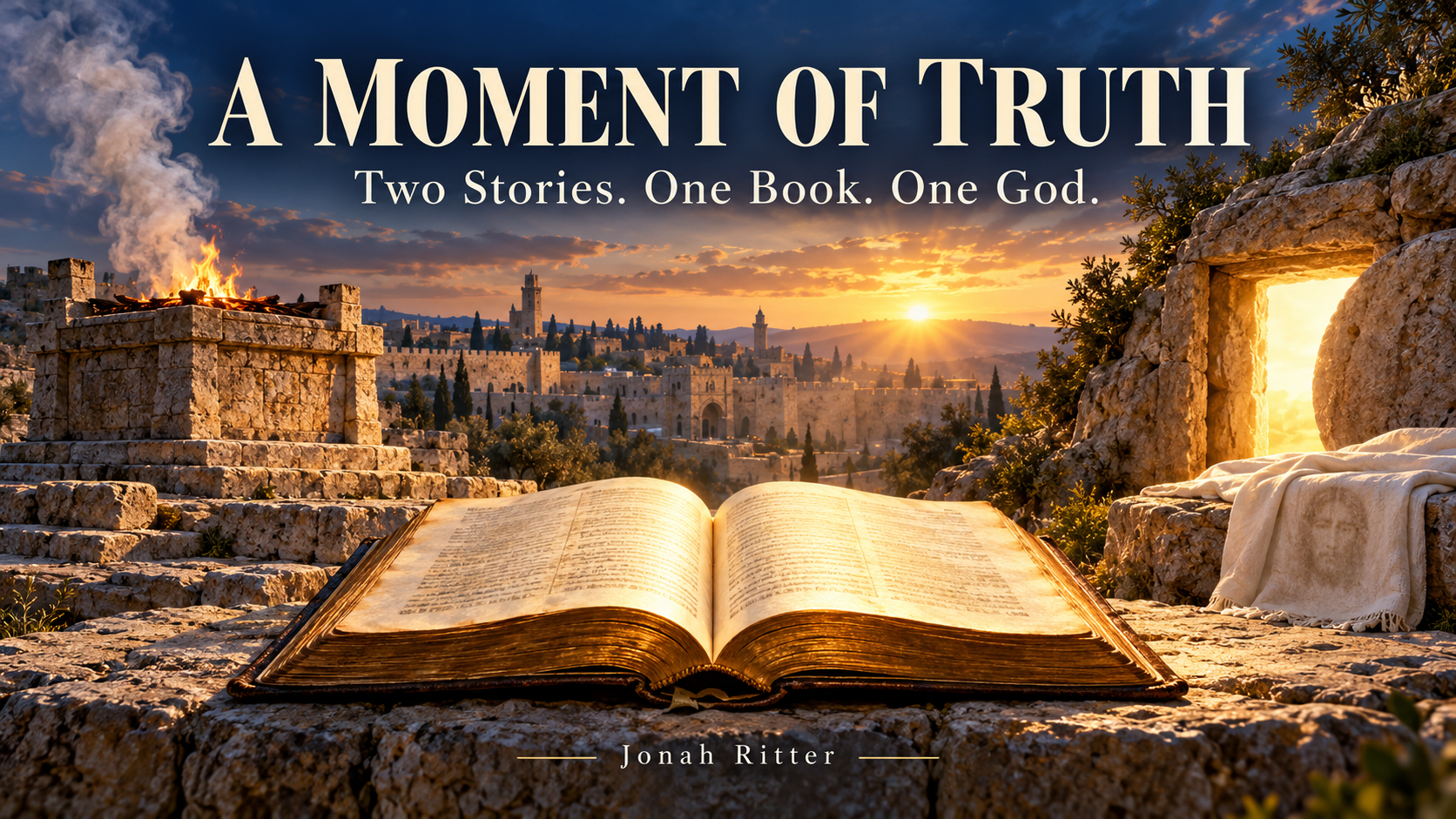
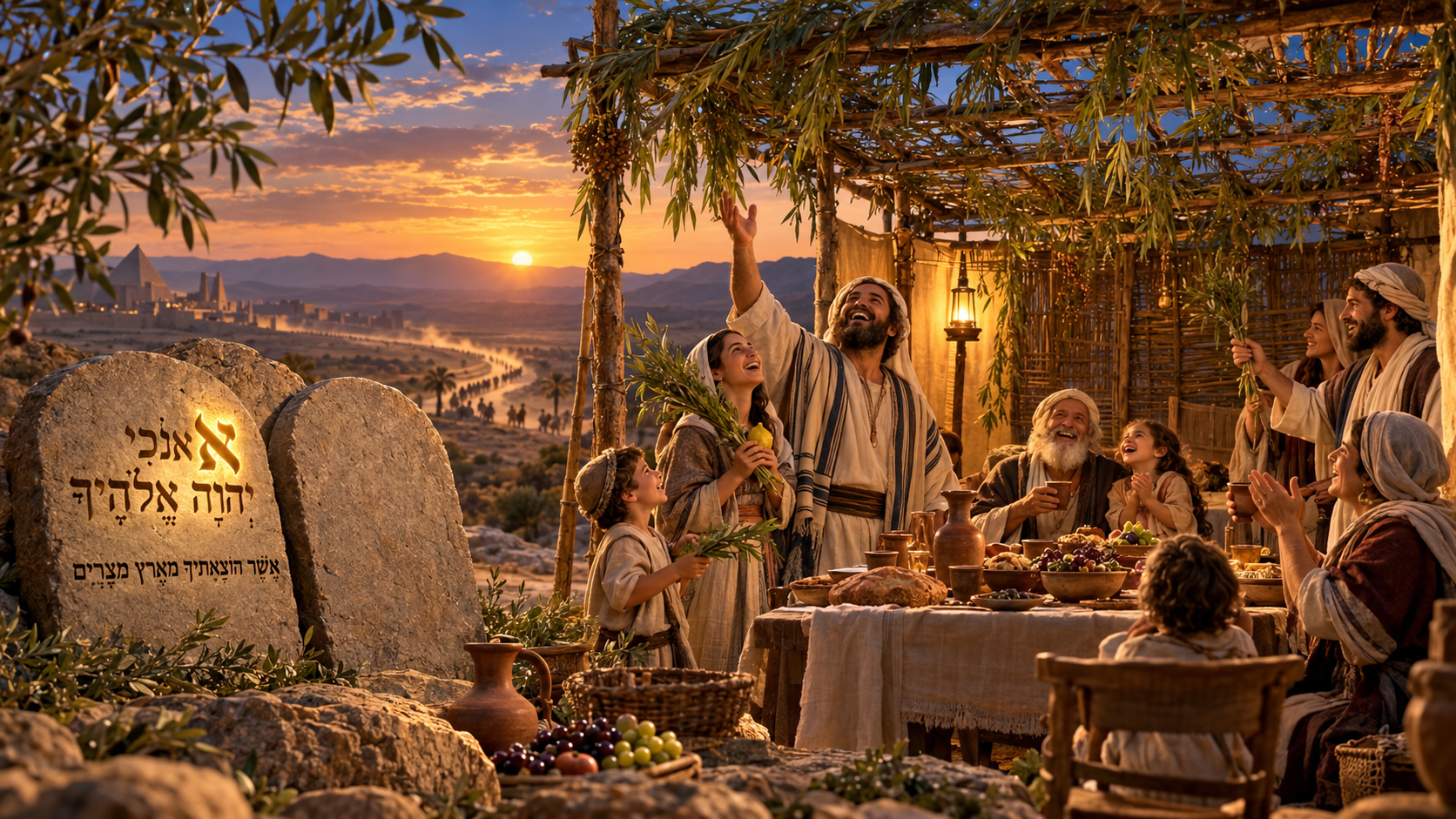
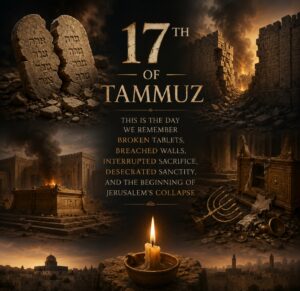
The 17th of Tammuz (Shivah Asar b’Tammuz) is a daytime fast that marks the breaching of Jerusalem’s walls before the destruction of the Second Temple and the beginning of the “Three Weeks” of mourning that lead to Tisha B’Av. According to the Mishnah, five calamities are remembered on this date: Moses shattering the first Tablets after the Golden Calf, the suspension of the daily Tamid offering during the First Temple siege, the breaching of Jerusalem’s walls, the burning of a Torah scroll by a Roman officer, and the placement of an idolatrous image in the Temple itself. It is a day devoted to fasting, introspection, and grief over broken covenants, violated sanctuaries, and walls that did not hold.
Personal Reflections on walls, Yeshua, and the lines we dare not cross.
As a Jew, I exist in a world defined by boundaries. Like many, if not most Jews, I push those boundaries. I do not live in Israel. I drive my car on Saturday. What is acceptable for many Jews today would have placed a person outside the camp—or at least outside the moral and communal center of biblical Jerusalem. The lines are there, and even when they are blurred, we know where they are.
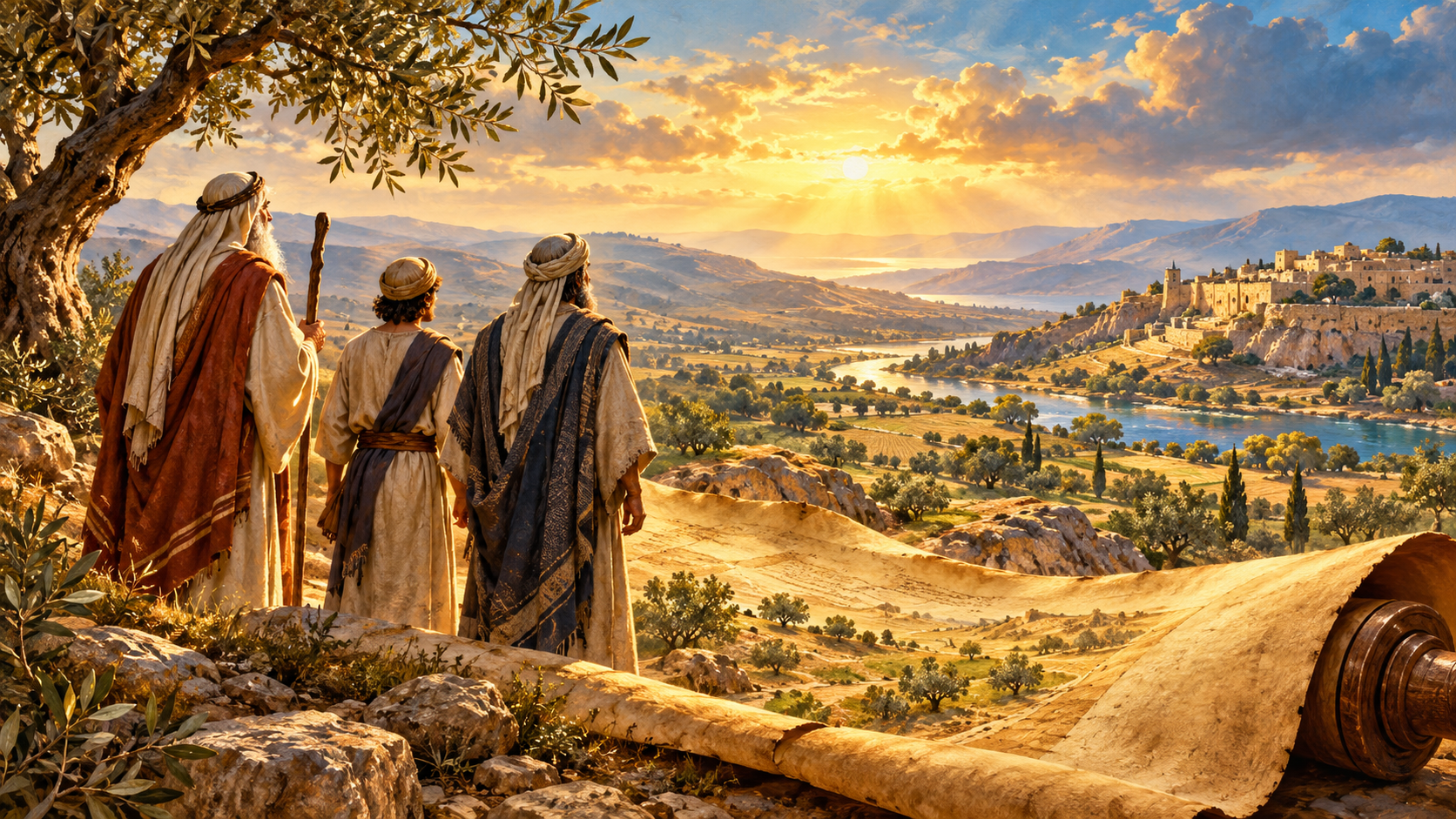
In many respects, the Bible itself is a book about boundaries. God separates light from darkness, sea from land, holy from common, Israel from the nations, the sanctuary from the world outside. Eden had a boundary. Sinai had boundaries. The Temple had boundaries. The commandments are boundaries. Even exile is a boundary, a life lived outside a place once marked as inside.
That is why the 17th of Tammuz speaks so powerfully. This is the day we remember broken tablets, breached walls, interrupted sacrifice, desecrated sanctity, and the beginning of Jerusalem’s collapse. It is a fast day about failed boundaries. Or perhaps more precisely, it is a day about what happens when human sin tears through the boundaries God established for life, order, holiness, and worship.
And on this day, my own thoughts are crossing a boundary.
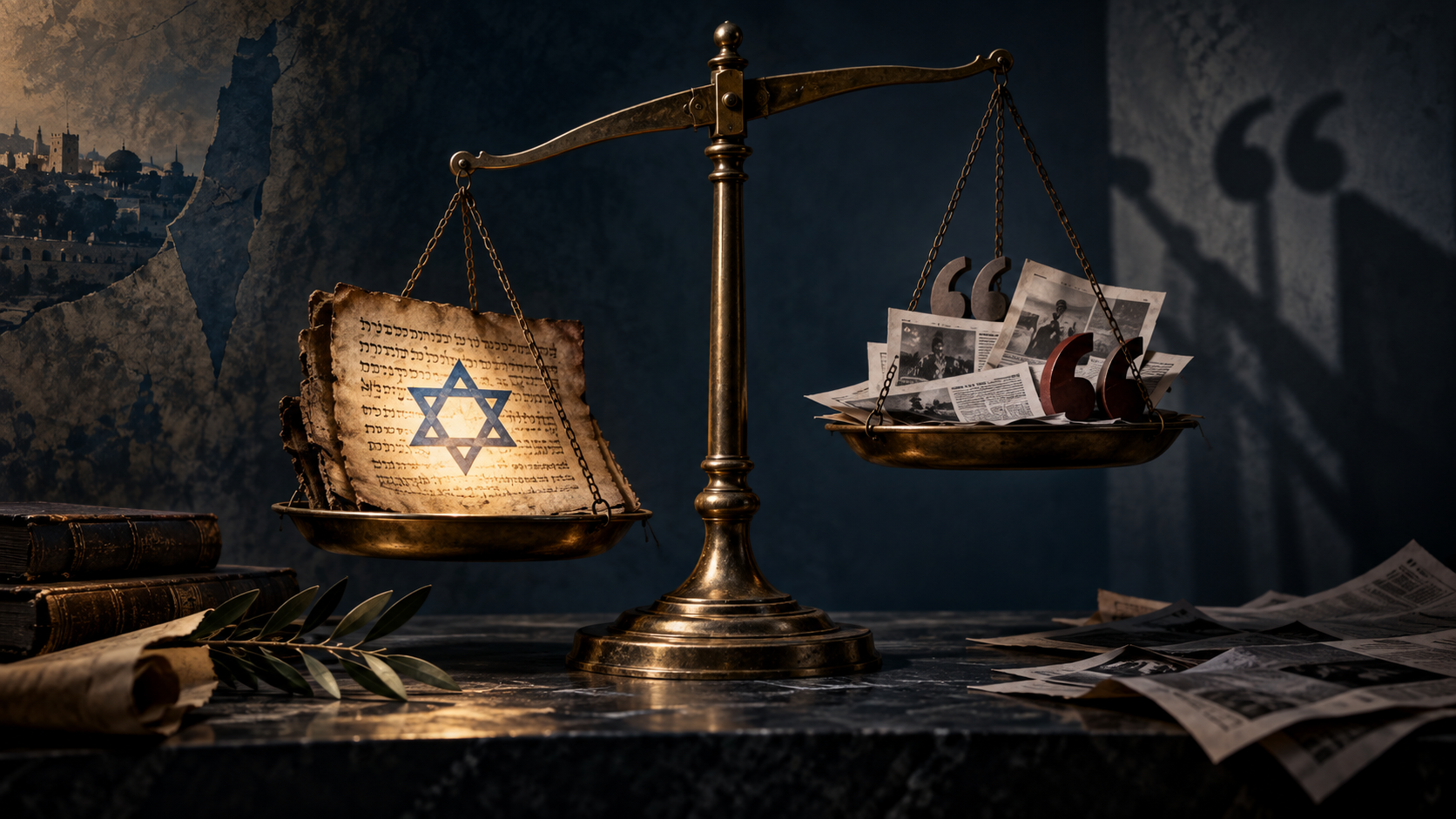
Not the boundary of Shabbat driving, or kashrut, or diaspora life. Those are familiar negotiations for modern Jews. The boundary I find myself approaching is one of the strongest fences in Jewish thought: the rabbinic line drawn around Yeshua. For many Jews, His very name lies beyond a forbidden border. He is placed outside the camp of acceptable consideration, outside the walls of serious Jewish inquiry, outside the boundaries of who may be received as teacher, Messiah, or revelation.
Yet the more I read Scripture, the more I begin to see something unsettling: Yeshua Himself is constantly moving through boundaries. He does not simply erase them. He distinguishes between God’s boundaries and ours. He honors the lines drawn by the Holy One, but He repeatedly crosses the lines drawn by fearful men, protective institutions, and religious systems that confuse their own fences with the will of God.
This pattern appears everywhere. In Eden, obedience is a matter of respecting a limit. At Sinai, covenant life is marked out by divine boundaries governing worship, speech, time, family, desire, and justice. Israel’s holiness is guarded by lines of land, Temple, purity, and peoplehood. But later, human beings add their own fences—some wise, some necessary, and some not. Some boundaries protect holiness. Others protect power. Some walls guard truth. Others hide fear.
The 17th of Tammuz forces the question: which walls were meant to stand, and which were waiting to fall?
That question becomes especially sharp when Yeshua enters the story. He speaks with Samaritans across ethnic and theological hostility. He touches the unclean. He eats with sinners. He confronts Pharisaic traditions that burden people in the name of Torah while obscuring the heart of Torah itself. He moves the argument over sacred space beyond Gerizim and Jerusalem toward worship in spirit and truth. Again and again, He redefines boundaries in ways that violate those who had assumed the right to create them.
Perhaps nowhere is this more striking than in His encounters with Samaria. Jews and Samaritans did not simply dislike one another; they were divided by sacred geography, by competing claims about where God’s Temple belonged, where the true altar stood, where covenant worship was rightly located. In speaking to the Samaritan woman, Yeshua is not merely crossing a social taboo. He is stepping directly into a dispute about the location of God’s presence. And instead of choosing one mountain over another, He does something far more radical: He recenters the entire question of sacred space around Himself.
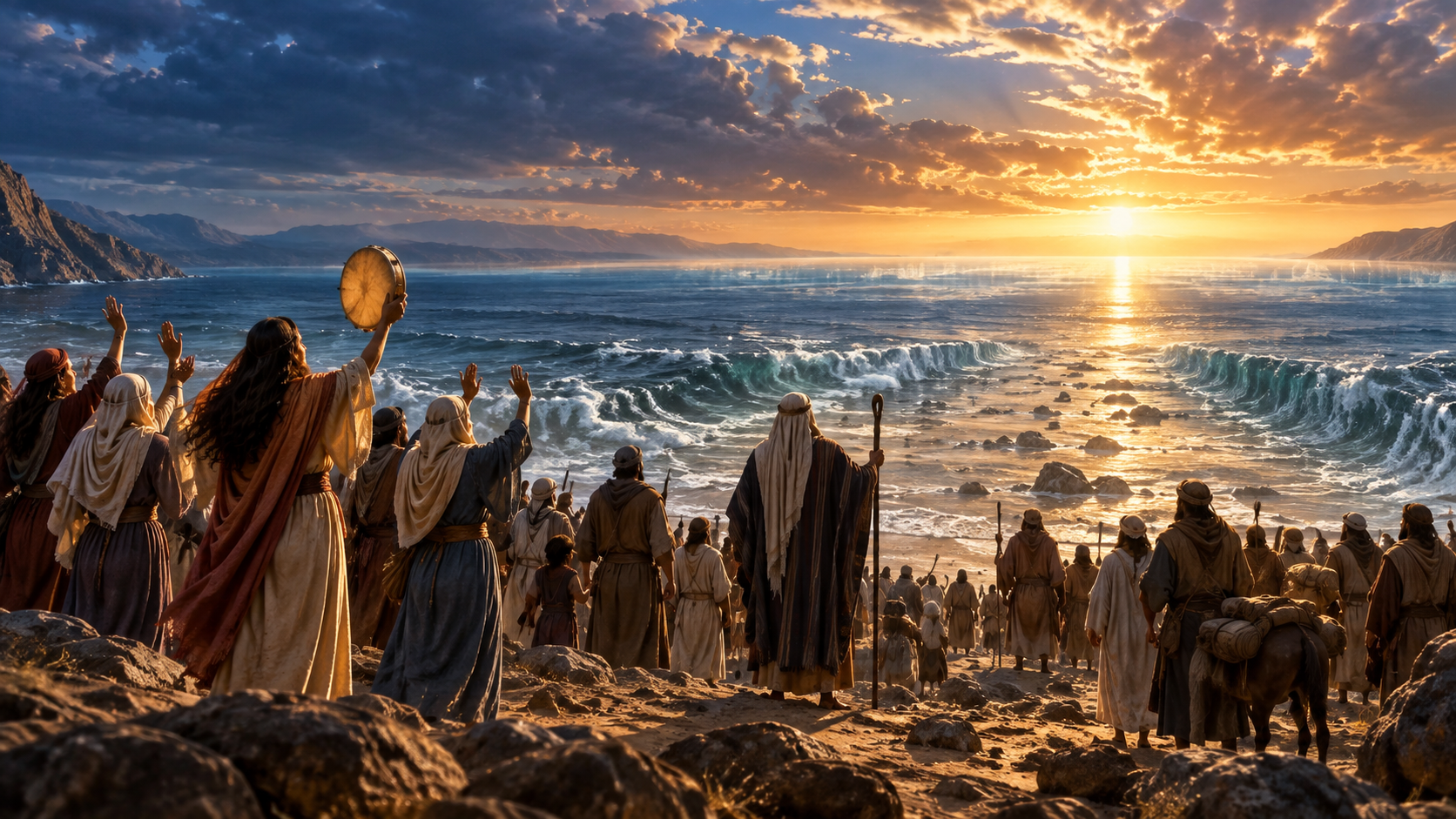
This is why I cannot easily dismiss Him. Yeshua does not come across in the Gospels as someone destroying all boundaries. He comes as someone exposing false boundaries, fulfilling true ones, and redrawing the map around His own person. He challenges walls erected by men while restoring the lines drawn by God. And in the end, the greatest boundary He crosses is death itself—the final wall, the border no human being can transgress and return from. If all Scripture moves through boundaries, then resurrection is the ultimate breach: not the violation of holiness, but the triumph of divine life over the last enclosure.
So on the 17th of Tammuz, a day of broken walls, I find myself thinking about another wall. A rabbinic wall. A Jewish wall. A deeply inherited wall around Yeshua.
And I am left with a troubling possibility: what if crossing that line is not an abandonment of holiness, but part of the search for it? What if the One our tradition fenced out is the very One sent to distinguish between the boundaries God established and the walls we built for ourselves? What if on this fast day of breached stones and failing defenses, the Spirit is leading me to examine whether one of the strongest remaining walls in Jewish thought is not sacred protection, but fearful separation?
These reflections do not come as conclusions fully settled. They come as breaches in an old certainty. They come as questions “at the wall.” But perhaps that is fitting for this day. The 17th of Tammuz is not only about mourning destruction. It is also about noticing where the cracks begin. And sometimes the crack is where the light first enters.
Epilogue:
 This post was also inspired by this sermon given years ago by an Orthodox Jew who became a follower of Yeshua. A friend forwarded it to me last night, on the very start of the 17th of Tammuz. Here is a link.
https://chapelfalls.subspla.sh/rd4873z