
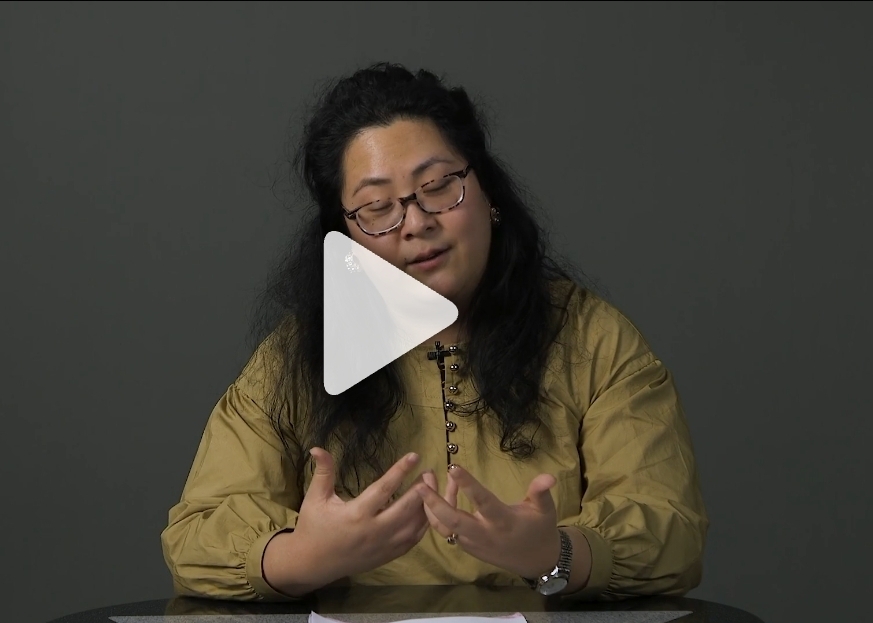
The Writing Process Helps You Think
When I was in my twenties I had a friend say to me that I should get involved with a public speaking group called “Toastmasters.” My reaction was that, I am a terrible speaker. And I would be very uncomfortable in such a group. My friend explained to me, ” You don’t wait till you have confidence to speak. You speak to gain confidence. You speak to become a better speaker.”
I never forgot my friends message, and I applied it. The introduction on my blog states, “I write to think.” I couldn’t have asked for a stronger validation of my reasoning than what was said by a instructor for a course that I am taking as part of my effort to earn a master’s in theology.
The video was specifically focused on the writing process. In it, the speaker made the following points;
- Writing helps you learn. Research, then summarize what you learned in your own words.
- Writing develops critical thinking. Decide what you want to say, who will read it, and how to make your reasoning clear.
- Writing improves communication. Practice helps you explain ideas more effectively.
- Writing helps clarify your thoughts. If you feel stuck, write down what you know and talk the idea through with someone.
The main takeaway was that you do not need to have a polished argument before you begin. Research and writing are part of how you discover and sharpen it. In other words, writing helps you think.
After nearly 500 posts, those points are a practice I have lived.
By the way, in 1993, my fellow toastmasters voted me “Toastmaster of the Year” in the Poughkeepsie area.